
KEY POINT
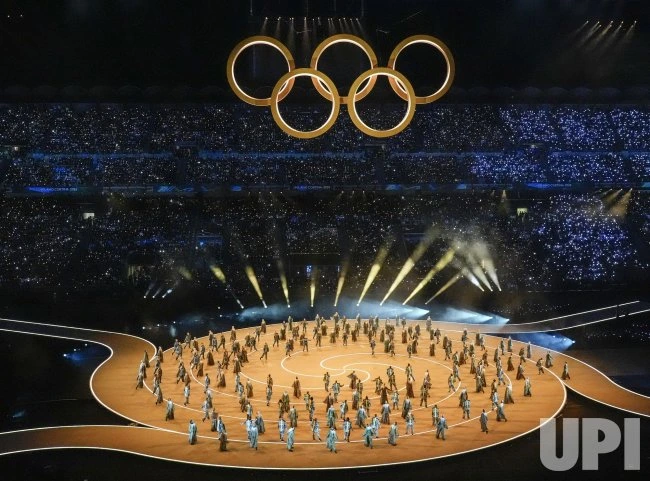
- The opening ceremony of the 2026 Winter Olympics officially began in Milan with a parallel event in Cortina d’Ampezzo.
- Two Olympic cauldrons were lit simultaneously, marking a historic first for the Winter Games.
- Athletes from more than 90 countries participated in the Parade of Nations amid varied crowd reactions.
MILAN — The opening ceremony of the 2026 Winter Olympics got underway Friday as Italian President Sergio Mattarella formally declared the Games open, launching a globally watched sporting event that is being staged across multiple host locations for the first time in Winter Olympics history.
The opening ceremony of the 2026 Winter Olympics signaled the start of more than two weeks of international competition, bringing together thousands of athletes, officials and spectators from around the world.
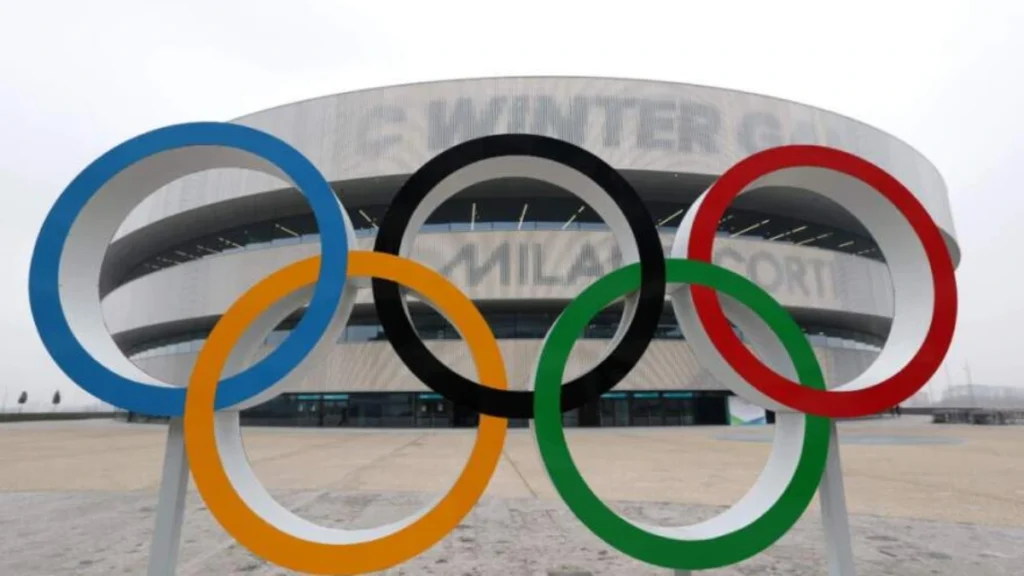
Held primarily at San Siro Stadium in Milan with coordinated elements in Cortina d’Ampezzo, the ceremony reflected the unique, multi-site structure of this year’s Games.
The Milano Cortina Games were designed as a shared host Olympics, distributing events across northern Italy rather than concentrating them in a single city.
Organizers said the approach aims to reduce infrastructure costs, rely on existing venues and spread economic activity across regions.
A defining moment of the ceremony came with the lighting of two Olympic cauldrons one in Milan and one in Cortina d’Ampezzo symbolizing unity between urban and alpine hosts. Olympic officials confirmed it was the first time the Winter Games adopted a dual cauldron format.
Italy last hosted the Winter Olympics in Turin in 2006. Since then, rising costs and environmental concerns have pushed the International Olympic Committee to encourage flexible hosting models similar to the one used in 2026.
International Olympic Committee President Thomas Bach said the ceremony reflected a broader shift in Olympic planning. “The future of the Olympic Games depends on sustainability and regional cooperation,” Bach said in a statement released by the IOC. “Milano Cortina shows how the Games can adapt while preserving Olympic tradition.”
Giovanni Malagò, president of the Italian National Olympic Committee, said the opening ceremony was meant to emphasize shared responsibility.
“These Games represent collaboration across regions and communities,” Malagò said. “That message was central to how the ceremony was designed.”
Sports policy analyst Laura Conti of the University of Bologna said the ceremony carried significance beyond symbolism.
“How the opening ceremony is received matters because it sets expectations for logistics, security and coordination across multiple venues,” she said.
“The dual location opening made this feel different from past Games,” said Marco Rinaldi, a spectator attending the ceremony in Milan. “It felt less like one city hosting and more like a country welcoming the world.”
Ukrainian delegation official Olena Kovalenko said the crowd response during the Parade of Nations was noticeable. “Athletes feel the atmosphere immediately,” she said. “It becomes part of the Olympic experience.”
Security coordinator Paolo Ferri, speaking to Italian media, said planning for the opening ceremony took years. “Managing synchronized ceremonies in separate locations required unprecedented coordination,” he said.
Following the opening ceremony, competition will begin across alpine and indoor venues, with organizers closely monitoring transportation, weather conditions and security across host regions.
Officials said the success of the opening ceremony will serve as an early indicator of how effectively the multi-site model functions during peak competition days.
As the opening ceremony of the 2026 Winter Olympics moves from celebration to competition, attention now turns to the athletes and the operational demands of hosting a geographically distributed Games.
The historic dual cauldron launch has set the tone for an Olympics shaped by cooperation, adaptation and global participation.


