
KEY POINT
- Jim Schwartz resigns from the Browns while under contract through the 2026 season.
- The resignation includes an expectation that Schwartz will not coach in 2026, according to NFL Network.
- The agreement raises questions about compensation, noncompete terms and how NFL coaching contracts are enforced.
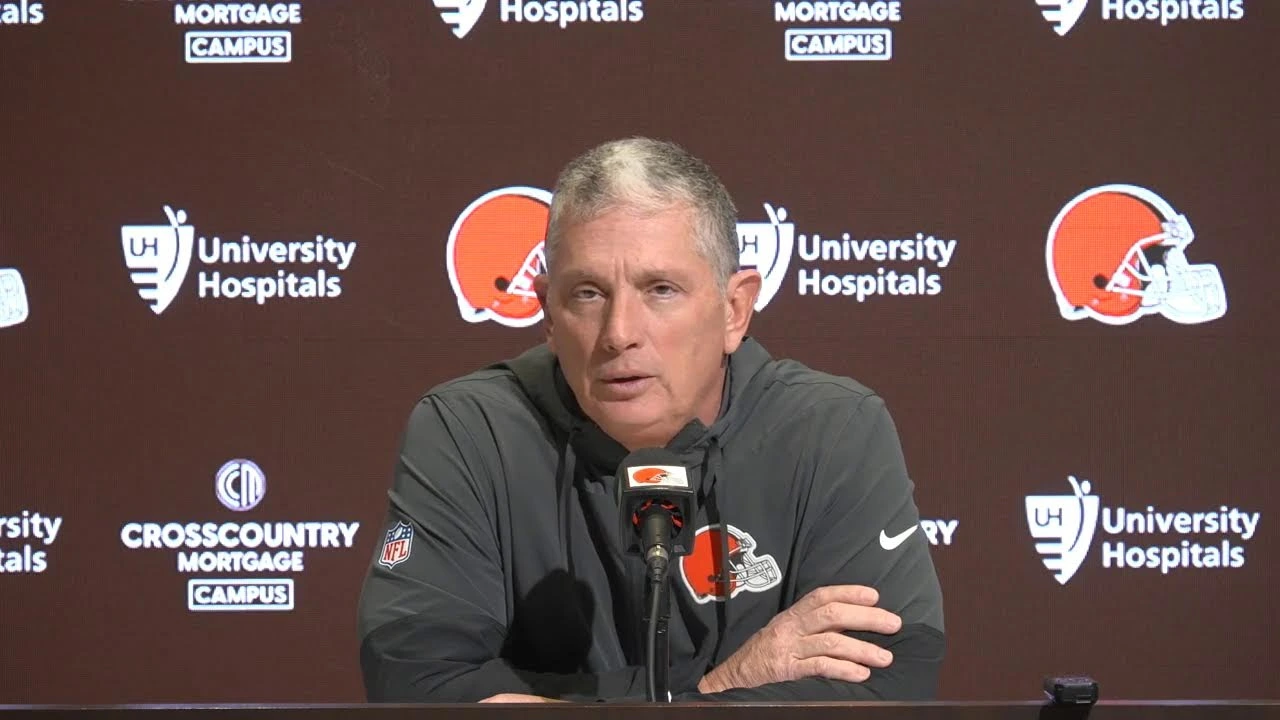
CLEVELAND — Jim Schwartz has resigned as defensive coordinator of the Cleveland Browns, stepping away from the role with the stated expectation that he will not coach anywhere during the 2026 NFL season, according to NFL Network.
The move ends weeks of uncertainty surrounding Schwartz’s future and closes the door, at least temporarily, on his immediate return to the league despite reported interest from multiple teams.
The departure of Jim Schwartz removes one of the NFL’s most established defensive coordinators from the sideline at a time when league-wide demand for experienced defensive minds remains high.
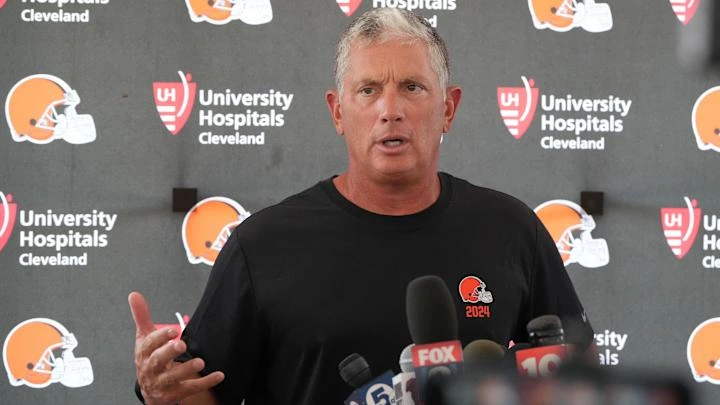
Schwartz, sixty years old, played a central role in Cleveland’s defensive resurgence and was widely viewed as a top candidate for open coordinator positions across the league.
Instead, his resignation signals a negotiated separation that appears to prioritize contractual resolution over immediate reemployment.
Schwartz joined the Browns in two thousand twenty three after serving in senior defensive roles with the Philadelphia Eagles and Tennessee Titans, where he previously worked as head coach.
In Cleveland, his aggressive, pressure oriented scheme helped stabilize a defense that had struggled with consistency in prior seasons.
Following the conclusion of the two thousand twenty five season, multiple teams sought defensive coordinators, including the Las Vegas Raiders. Schwartz was reportedly a leading candidate for at least one opening.
However, his contract with the Browns ran through the two thousand twenty six season, limiting his ability to accept another coaching role without Cleveland’s consent.
The Browns publicly maintained that they wanted Schwartz to remain, according to league reports. As other teams filled their coordinator vacancies, the window for a seamless transition narrowed. Schwartz’s resignation appears to resolve that impasse while preserving the Browns’ contractual interests.
The expectation that Schwartz will not coach in two thousand twenty-six suggests a negotiated settlement rather than a simple resignation, according to people familiar with NFL coaching contracts.
Andrew Brandt, a former NFL executive and current executive director of the Moorad Center for the Study of Sports Law at Villanova University, said such arrangements are increasingly common when teams and coaches reach strategic deadlocks.
“Teams protect their contractual rights, and coaches protect their professional mobility,” Brandt said. “A paid separation with restrictions can satisfy both sides without triggering litigation or public disputes.”
Albert Breer, senior NFL reporter for Sports Illustrated, noted that coordinator contracts often include broad noncompete language, even if enforcement varies.
“Whether a coach is officially barred from working or simply chooses not to, the practical effect can be the same,” Breer said. “Most teams prefer clarity rather than lingering uncertainty.”
A Browns team official, speaking on condition of anonymity because the agreement has not been publicly released, said the organization viewed the separation as “professional and orderly.”
“Our priority was stability and clarity for the defense moving forward,” the official said. “Both sides understood the contractual realities.”
Mike Tannenbaum, former New York Jets general manager and current ESPN analyst, said the situation highlights the leverage teams retain even at the coordinator level.
“Head coaches get most of the attention, but top coordinators face similar restrictions,” Tannenbaum said. “This is a reminder that contracts matter well beyond the head coach position.”
An AFC defensive assistant from another team said the league will feel Schwartz’s absence.
“He’s one of the best at identifying offensive weaknesses,” the assistant said. “Even a year away changes the competitive landscape.”
The Browns must now identify a new defensive coordinator ahead of the two thousand twenty six season, a move that could influence offseason personnel decisions and draft priorities.
Cleveland is expected to target candidates who can maintain schematic continuity while adapting to evolving offensive trends.
For Schwartz, the expectation of a year away from coaching does not necessarily signal retirement.
League executives say a return in two thousand twenty seven would be consistent with past precedents involving high-profile coordinators who temporarily stepped aside due to contractual constraints.
Jim Schwartz’s resignation underscores the complex balance of power between NFL teams and senior assistants bound by multiyear contracts.
While Cleveland moves forward with a leadership transition on defense, Schwartz’s anticipated absence from coaching in two thousand twenty six highlights how contractual agreements can shape careers as much as on field performance.
The long term impact will be felt both in Cleveland and across a league that values experienced defensive leadership.


