
kEY POINT
- Zubayar al Bakoush, alleged key participant in the 2012 Benghazi attack, is in US custody facing federal charges.
- Charges include murder of US personnel, terrorism, and arson.
- The attack, which has been a long standing focus of political scrutiny in the US , resulted in four American deaths and heightened debate over diplomatic security.
WASHINGTON — US authorities have taken into custody a suspect identified as a central participant in the 2012 Benghazi attack that killed four American officials, including Ambassador J. Christopher Stevens, the Justice Department announced Friday.
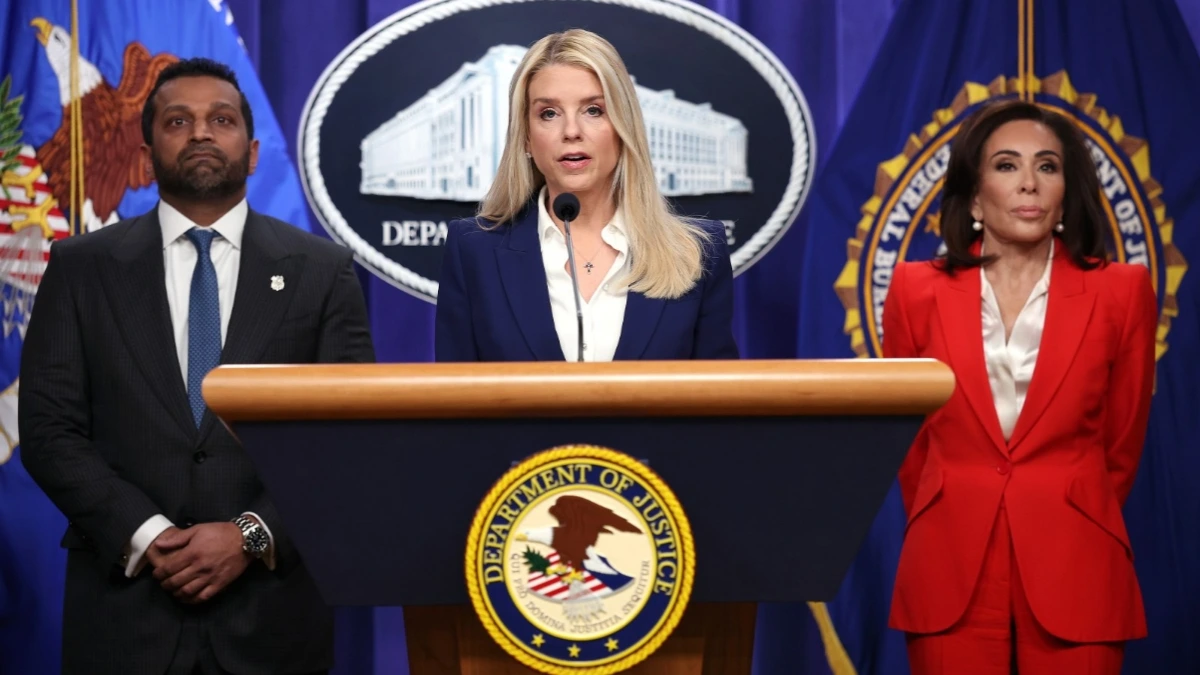
Attorney General Pam Bondi said the suspect, Zubayar al‑Bakoush, was apprehended overseas and transferred to the United States in a carefully coordinated operation.
Al Bakoush now faces an eight count federal indictment, including charges of murder, arson, terrorism, and conspiracy to provide material support to a terrorist organization.
“Justice for the victims of Benghazi has never been abandoned,” Bondi said during a press conference at the Department of Justice in Washington. “Al Bakoush will be prosecuted to the fullest extent of the law.”
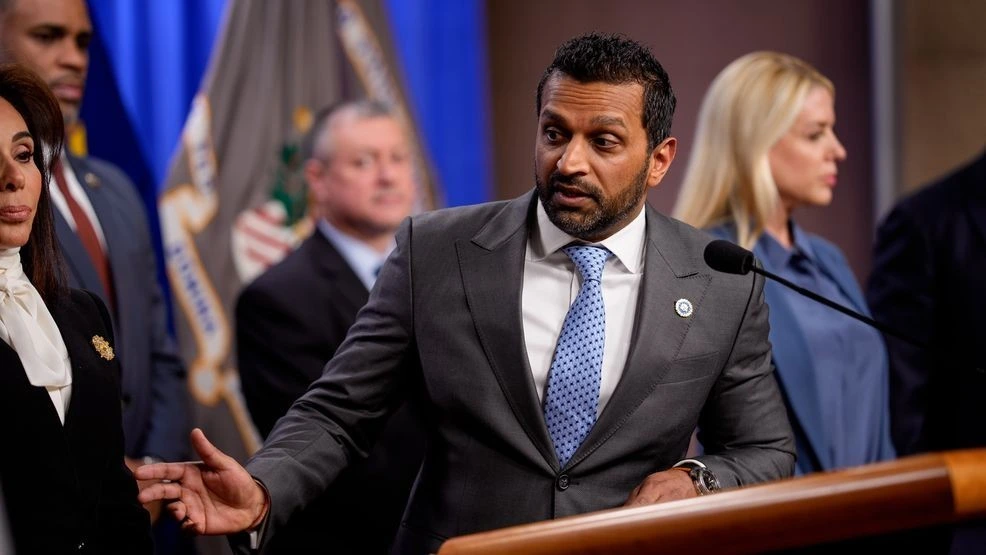
FBI Director Kash Patel noted that operational details could not be disclosed but confirmed that the suspect’s transfer involved what is known as a “foreign custody transfer,” allowing US authorities to bring him safely to Joint Base Andrews, Maryland.
The arrest marks a major development in the investigation of the September 11, 2012, attack on U.S. diplomatic facilities in Benghazi, Libya. Armed militants breached the consulate compound and later targeted a nearby CIA annex.
Ambassador Stevens, State Department employee Sean Smith, and CIA contractors Tyrone Woods and Glen Doherty were killed in the attacks.
Al‑Bakoush’s arrest comes more than 13 years after the assault, reflecting the complex nature of international counterterrorism operations and law enforcement cooperation across borders.
The Benghazi attack occurred amid Libya’s post Gaddafi instability. Militants armed with AK 47 rifles, grenades, and mortars targeted the US diplomatic mission in the coastal city, setting fire to buildings and engaging in prolonged firefights with security personnel.
The attack led to years of investigations and political debate. A Republican-led House committee in 2016 cited security lapses but did not assign direct blame to then Secretary of State Hillary Clinton.
Critics argued the response to the attack highlighted deficiencies in US diplomatic security protocols.
Previously, Ahmed Abu Khattala, suspected as a ringleader of the Benghazi assault, was captured by US forces in 2014 and convicted on terrorism related charges, though he was acquitted of murder.
Dr. Jessica Lewis, senior fellow at the Center for Strategic International Studies, said the arrest illustrates the long term persistence of US counterterrorism efforts.
“Al‑Bakoush’s apprehension demonstrates both the capability and commitment of US law enforcement to pursue suspects internationally, even more than a decade later,” Lewis said.
David Sterman, terrorism analyst at the RAND Corporation, emphasized the broader significance of delayed prosecutions.
“While late, these arrests can provide closure to families and reinforce the message that terrorism has consequences,” Sterman said. “The trial will test the strength and durability of evidence collected over many years.”
Bondi emphasized the importance of the arrest in maintaining US accountability for attacks against its citizens abroad.
“We will pursue justice relentlessly,” she said.
US Attorney Jeanine Pirro added that family members of the victims were notified ahead of the public announcement. “Our responsibility is not only to the law but to those who lost loved ones,” she said.
Al Bakoush will appear in federal court in Washington, D.C., where proceedings will include arraignment, pretrial hearings, and trial preparation.
Legal experts note that presenting evidence gathered over more than a decade will be a critical factor in the prosecution’s success.
The arrest also signals that US authorities continue to prioritize the prosecution of individuals involved in high profile terrorist incidents abroad, reinforcing international counterterrorism cooperation and judicial accountability.
The capture of Zubayar al‑Bakoush represents a significant step in the pursuit of justice for the 2012 Benghazi attack. More than a decade after the deadly assault, UD authorities are demonstrating that time and distance do not absolve responsibility, reinforcing long term legal and diplomatic commitments to protecting American personnel worldwide.


