
KEY POINT
Mariah Carey, Andrea Bocelli and Sabrina Impacciatore performed in a ceremony highlighting Italy’s culture and history.
The opening ceremony is the first Winter Olympics event staged across multiple Italian locations, reflecting the Games’ geographic breadth.
Italian fashion and music were prominently featured, including tributes to designer Giorgio Armani.
MILAN — The 2026 Winter Olympics officially began Friday evening with a three hour opening ceremony at San Siro Stadium in Milan, showcasing a blend of music, fashion and Italian culture.
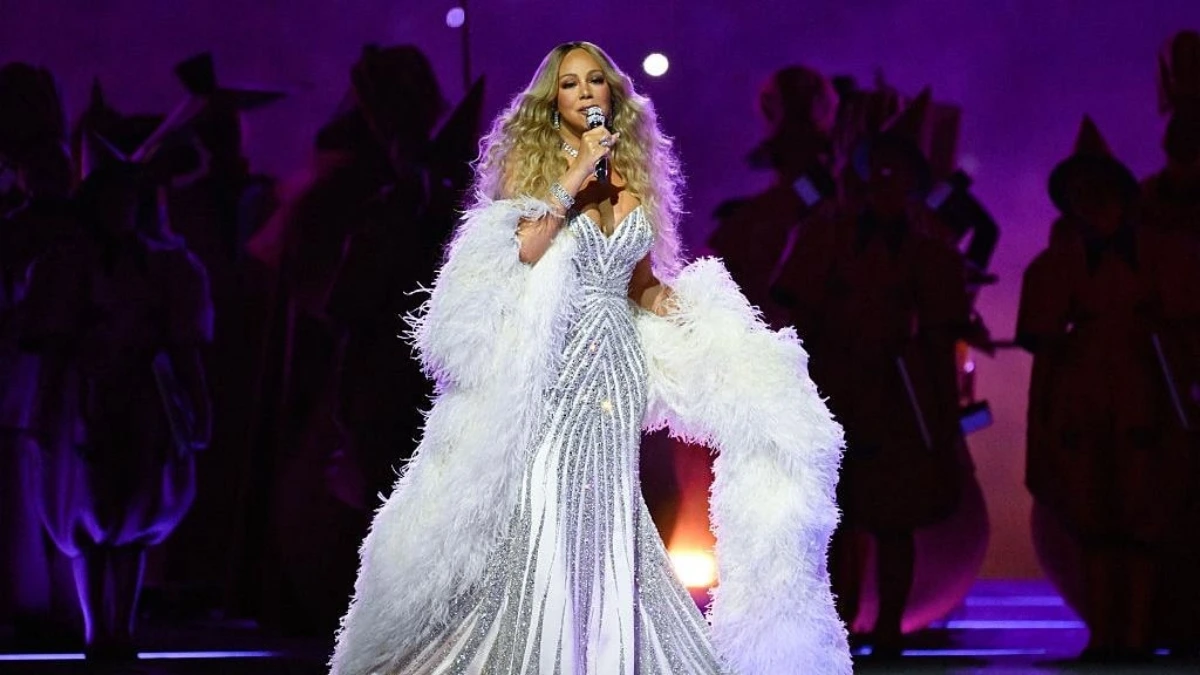
American singer Mariah Carey kicked off the event, while celebrated Italian tenor Andrea Bocelli and actress Sabrina Impacciatore also performed during the spectacle.
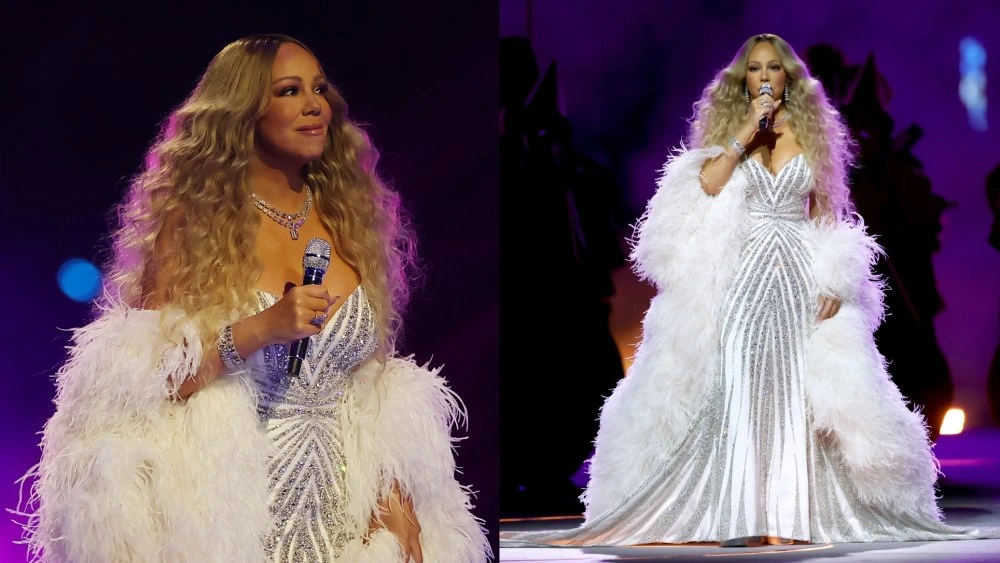
Carey opened the ceremony with a rendition of the Italian classic Nel Blu Dipinto Di Blu popularly known as Volare wearing a silver accented white gown. The performance set the tone for a ceremony that emphasized Italy’s artistic and cultural heritage alongside Olympic tradition.
The games, officially titled the Milano Cortina 2026 Winter Olympics, will run through February 22, hosting athletes from over ninety countries.
The opening ceremony marked the formal start of the Milano Cortina Winter Olympics, which will take place across northern Italy in both urban and Alpine venues.
The event aimed to celebrate international unity while spotlighting Italy’s cultural contributions, from music and fashion to design and art. Italian President Sergio Mattarella attended the ceremony, welcoming athletes and audiences from around the world.
The 2026 Winter Olympics are notable for being co hosted by Milan and Cortina d’Ampezzo, with events spread across multiple regions in northern Italy. This marked a departure from previous Winter Games, which were typically concentrated in a single city or cluster of mountain venues.
The opening ceremony was designed to reflect Italy’s regional diversity and cultural influence, combining live performances, theatrical displays and broadcast elements from multiple sites.
The theme of the ceremony, Armonia harmony emphasized the Olympic ideals of cooperation, inclusivity and shared human achievement. The creative direction was led by Marco Balich, a veteran of Olympic ceremonies, who integrated classical and contemporary Italian culture throughout the show.
International experts said the ceremony balanced entertainment with strategic cultural messaging.
Dr. Maria Rossi, professor of cultural studies at the University of Milan, said the opening ceremony “successfully showcased Italy as both a cultural and athletic hub, using music and fashion to engage audiences globally.” Rossi noted that featuring performers like Bocelli alongside global stars strengthens Italy’s international profile.
Thomas Müller, senior sports analyst at the Global Sports Institute, emphasized that “modern Olympic ceremonies must capture worldwide attention.
Including internationally recognized artists alongside national icons helps maintain relevance and attracts a younger, more diverse audience.”
Attendees described the ceremony as visually and emotionally striking.
“I have never seen anything like it,” said Eleonora Bianchi, a Milan resident. “Hearing Volare in this stadium, surrounded by people from around the world, made me proud to be Italian.”
Liam Turner, a coach for an international ski team, said the ceremony “brought all athletes together in a shared experience before the competition begins. The combination of music, performance and tradition was unforgettable.”
As competitions begin in the coming days, the ceremony’s focus on cultural harmony will give way to athletic performances that may dominate global sports coverage.
Broadcasters including NBC and streaming services will deliver live coverage to millions worldwide, continuing the global engagement sparked by the opening event.
The Milano Cortina 2026 Winter Olympics opening ceremony combined music, fashion, and pageantry to signal the start of the Games.
Through performances by globally recognized artists and tributes to Italian culture, the ceremony emphasized themes of unity, tradition and shared human achievement that define the Olympic movement.


