
KEY POINT
- Pamela Anderson ties her self-care routine to gardening, simplicity and nostalgia through her Sonsie brand.
- The Sonsie Basic Balm in Sugar Dipped Rhubarb returns after a limited edition release, reinforcing demand for minimalist beauty products.
- Industry analysts say celebrity led brands rooted in authenticity are reshaping the global clean beauty market.
Pamela Anderson is expanding her role in the beauty industry with a renewed focus on intentional living and natural rituals, as the actor and activist this week announced the restock of Sonsie Basic Balm in Sugar Dipped Rhubarb, a peptide infused lip product inspired by childhood memories and positioned as a core element of her self care philosophy.
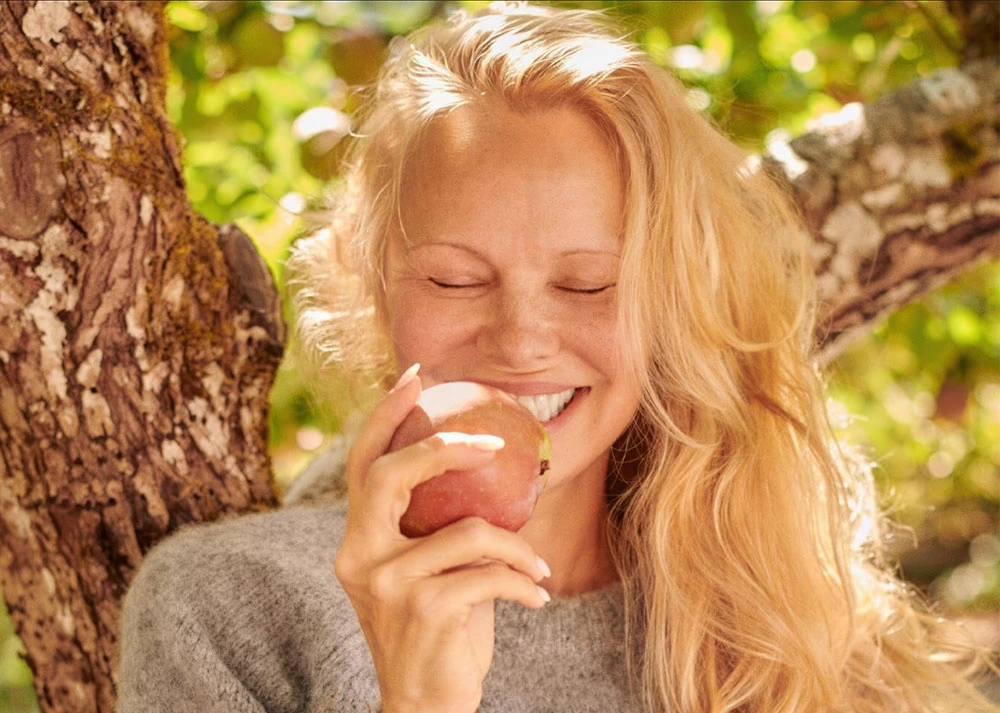
The restock of the Sonsie Basic Balm in Sugar Dipped Rhubarb marks more than a product relaunch. For Anderson, who cofounded Sonsie, it represents a deliberate shift away from high glamour branding toward pared down aesthetics and emotional storytelling.
The balm, priced at $22, blends peptides with a subtle cool-toned shimmer and draws directly from Anderson’s recollection of dipping fresh rhubarb in sugar at her grandmother’s home.
In interviews promoting the relaunch, Anderson described the product as “a community staple” and said it “goes everywhere with you,” underscoring its positioning as an everyday essential rather than a seasonal cosmetic novelty.
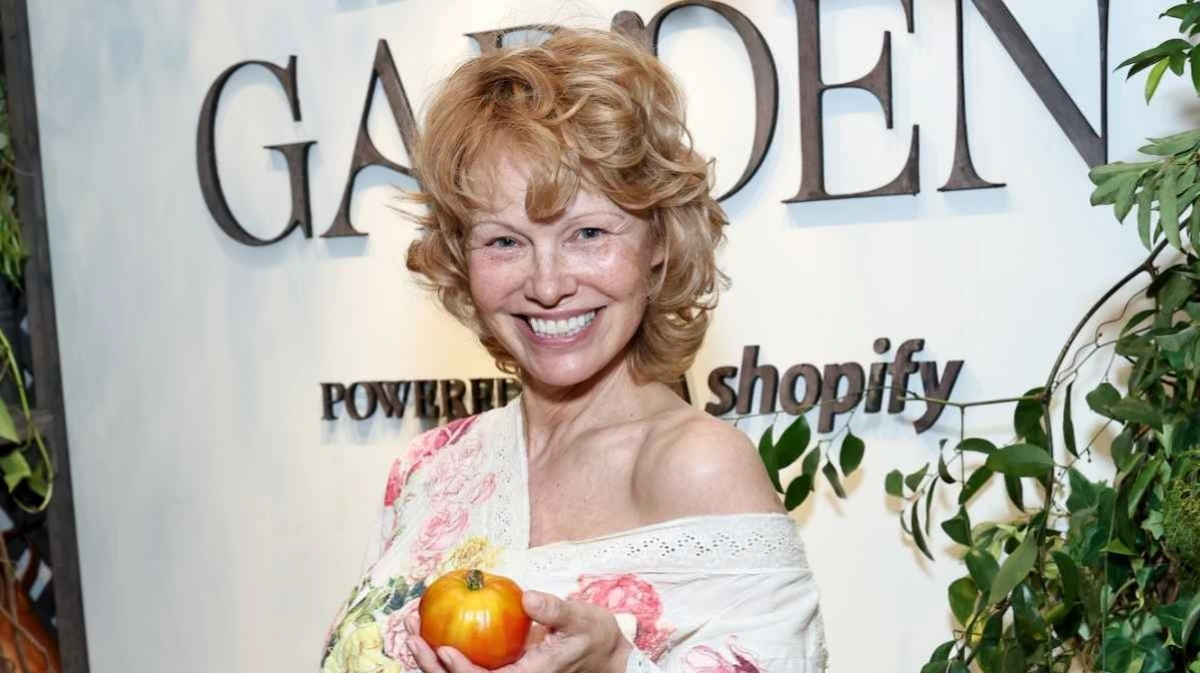
Pamela Anderson, long associated with high profile entertainment and activism, has in recent years publicly embraced a makeup minimal lifestyle.
Her red carpet appearances without heavy cosmetics sparked debate across fashion and beauty media, coinciding with growing consumer interest in clean beauty and self acceptance messaging.
The global clean beauty sector has expanded steadily over the past decade. According to data published by Grand View Research, the market surpassed $eight billion in annual revenue in recent years, driven by consumer demand for ingredient transparency and sustainability.
Sonsie, launched as a brand centered on authenticity and simplicity, aligns with that shift. Rather than competing through expansive product lines, it emphasizes multipurpose staples.
The Sugar Dipped Rhubarb balm was initially released as a limited edition fall product before selling out, prompting the current restock.
Anderson has linked the product’s development to time spent in her garden, describing nature as both creative inspiration and grounding ritual.
“My rhubarb lip balm was inspired by my favorite vegetable dipped in sugar the way my grandma used to do,” she said. “It’s a childhood memory of mine.”
Industry observers say the move reflects a broader recalibration in celebrity-driven commerce.“Celebrity brands that succeed in 2026 are those that move beyond name recognition and offer a coherent identity narrative,” said Dr. Marissa Grant, professor of consumer behavior at New York University’s Stern School of Business.
“In Anderson’s case, the emphasis on nostalgia, gardening and simplicity differentiates her from performance oriented beauty lines.”
Grant said consumers increasingly scrutinize authenticity claims. “Buyers are more literate about marketing. Products tied to lived experiences and consistent public behavior tend to resonate more strongly.”
Clean beauty strategist Alicia Morales, founder of consultancy Verde Advisory Group, said minimalist formulations combined with emotional storytelling are driving repeat purchases.
“Peptide enriched balms are not new,” Morales said. “What’s distinct is the narrative architecture. The rhubarb inspiration personalizes the product in a way that creates attachment rather than impulse buying.”
Morales added that restocks often serve as market validation. “When a limited release returns quickly, it signals sustained demand rather than hype driven scarcity.”
Retail analysts say the shift toward simplified beauty routines has measurable commercial impact.
“The average consumer now owns fewer cosmetic items than five years ago but spends more per product,” said Daniel Cho, senior analyst at Global Beauty Insights. “Multipurpose items like balms fit that consolidation trend.”
Consumers echo that sentiment. Vancouver-based lifestyle blogger Emma Richards, who follows clean beauty trends, said she prefers products that “feel personal rather than promotional.”
“There’s something relatable about tying a beauty item to a memory,” Richards said. “It makes it part of a ritual instead of just another purchase.”
Anderson has framed gardening as central to her routine, linking time outdoors to product inspiration and daily grounding practices. “It’s about rituals,” she said. “It’s about what feels real.”
Market analysts expect the clean beauty category to continue expanding, particularly in North America and Western Europe, as ingredient awareness and sustainability concerns shape purchasing decisions.
Celebrity founders who align brand messaging with visible lifestyle choices may retain competitive advantage.
For Sonsie, maintaining a focused product range could help preserve brand identity while limiting supply chain complexity.
Industry observers note that careful expansion, rather than rapid diversification, often sustains long term growth in niche beauty markets.
Pamela Anderson’s renewed emphasis on self care through the Sonsie Basic Balm in Sugar Dipped Rhubarb reflects evolving consumer priorities in the global beauty sector. By linking product development to personal memory and pared down rituals.
Anderson positions her brand within a growing movement toward simplicity, transparency and emotional authenticity a strategy analysts say is reshaping how celebrity led beauty lines compete worldwide.


