
KEY POINT
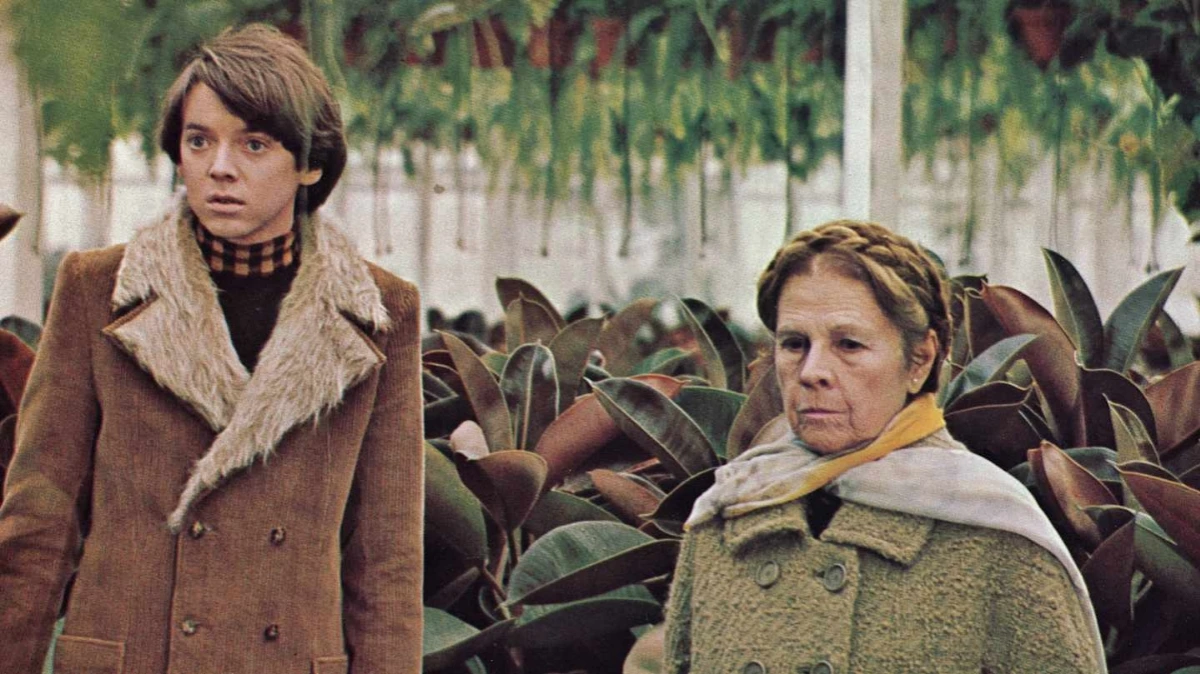
- Bud Cort, born Walter Edward Cox on March 29, 1948, in Rye, New York, rose to prominence in the 1970s with director Robert Altman’s films MASH and Brewster McCloud before his iconic role in Harold and Maude.
- His portrayal of a young man enamored with a 79 year old woman earned him a Golden Globe nomination and contributed to the film’s selection for preservation in the National Film Registry in 1997.
- Cort’s career spanned over five decades, including notable roles in Heat (1995), Dogma (1999), and Wes Anderson’s The Life Aquatic With Steve Zissou (2004).
NEW YORK — Bud Cort, the actor best known for his groundbreaking role as Harold Chasen in the 1971 cult classic Harold and Maude, died Wednesday at the age of 77 following a long illness, according to television producer and longtime friend Dorian Hannaway. Cort’s death marks the passing of one of Hollywood’s most distinctive and unconventional screen actors.
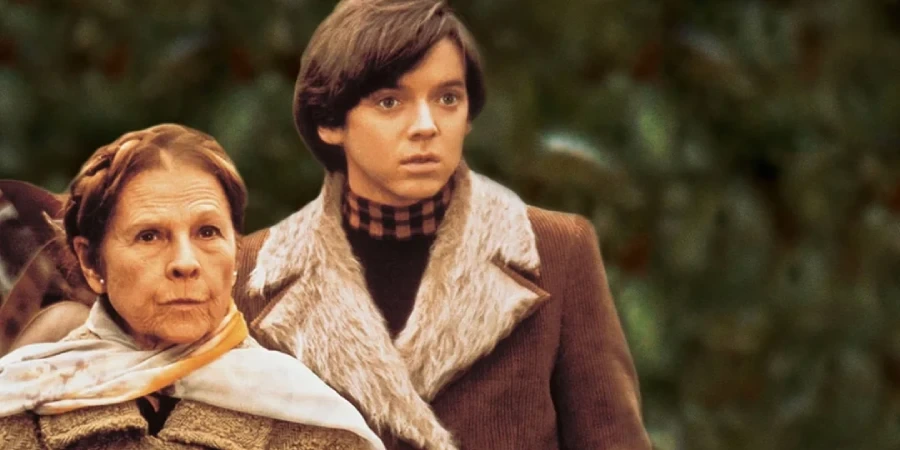
Bud Cort’s unique presence on screen was marked by a blend of deadpan humor and understated intensity, qualities that helped define a generation of independent cinema in the early 1970s.
Harold and Maude, initially controversial for its themes of unconventional romance and mortality, has since been recognized as culturally and historically significant.
Cort’s passing has prompted retrospectives across the film community, highlighting his enduring influence on modern storytelling and character driven cinema.
Cort was discovered by acclaimed director Robert Altman, who cast him in MASH* and Brewster McCloud, both released in 1970. His breakout came the following year with Hal Ashby’s Harold and Maude, co-starring Ruth Gordon.
The film initially received mixed reviews but gradually gained a cult following for its exploration of existential themes and dark comedy. In 1997, the Library of Congress included it in the National Film Registry, citing its cultural, historical, and aesthetic significance.
Throughout his career, Cort appeared in a range of genres, from crime dramas to surreal comedies, including Coyote Ugly (2000), Pollock (2000), and Electric Dreams (1984). Despite periods of reduced visibility, he remained a revered figure in film circles, frequently cited for his ability to imbue quirky or marginalized characters with depth and humanity.
Film historian and professor Dr. Cynthia Patterson of the University of Southern California emphasized Cort’s influence on independent cinema:
“Bud Cort’s work in Harold and Maude demonstrated that mainstream audiences could connect with deeply unconventional characters. His performance expanded the boundaries of what comedy and romance could achieve on screen.”
Veteran film critic Leonard Maltin told ABC News: “Cort had a rare combination of vulnerability and precision. Directors like Hal Ashby and Robert Altman recognized that he could carry films with minimal dialogue and maximum subtlety, which is why his performances remain relevant decades later.”
Cultural analyst Dr. Robert Higgins noted that Cort’s roles often reflected broader societal questions about identity, aging, and personal freedom.
“Harold’s relationship with Maude challenged normative narratives, and that kind of role helped pave the way for films that explore human eccentricities without judgment.”
Dorian Hannaway, a television producer who worked closely with Cort, said, “Bud was generous, patient, and endlessly creative. He brought a unique energy to every project, and his legacy will be felt by actors and filmmakers for generations.”
Ruth Gordon’s grandson, actor William Gordon, reflected on Cort’s enduring influence: “Even today, my grandmother’s performance in Harold and Maude resonates, but Bud’s subtle humor and timing made the film unforgettable. He had a rare ability to humanize even the most unusual characters.”
Film historian Dr. Linda Williams added, “Cort’s career exemplifies how one can achieve longevity and influence without always being in the Hollywood spotlight. His dedication to craft is a lesson for emerging actors everywhere.”
Cort’s death underscores the fragility of preserving cult cinema and independent film history. Archives such as the Library of Congress’ National Film Registry continue to safeguard works like Harold and Maude, ensuring that future generations can study and appreciate the evolution of American filmmaking.
Film programs and retrospectives are expected to honor Cort’s contribution, particularly in highlighting the intersection of comedy, romance, and existential reflection in 20th-century cinema.
Bud Cort’s body of work stands as a testament to the power of unconventional storytelling. His performances, particularly in Harold and Maude, continue to inspire filmmakers and audiences alike, illustrating how an actor’s subtlety and authenticity can leave a lasting imprint on cultural history.


