

KEY POINT
- Dane died at age 53 after a nearly yearlong battle with ALS.
- He gained prominence on Grey’s Anatomy and later played a pivotal role on Euphoria.
- Following his diagnosis, Dane actively supported ALS research and legislative advocacy.
LOS ANGELES — Eric Dane, the actor widely recognized for his portrayal of Dr. Mark Sloan on Grey’s Anatomy and Cal Jacobs on HBO’s Euphoria, died Thursday, Feb. 19, at the age of 53, his family confirmed.
Dane had been diagnosed with amyotrophic lateral sclerosis (ALS), also known as Lou Gehrig’s disease, in 2025.
In a statement shared with People magazine, Dane’s family said he spent his final days surrounded by his wife and daughters, Billie and Georgia.
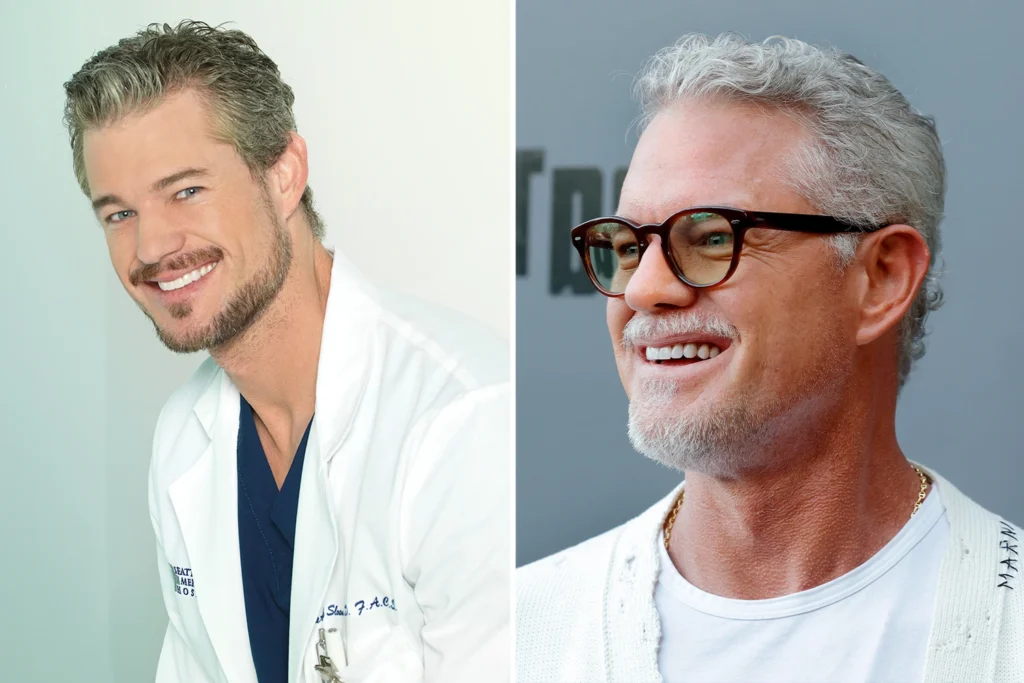
They described him as a passionate advocate for ALS awareness and research, determined to support others facing the same diagnosis. “He will be deeply missed, and lovingly remembered always,” the statement read.
Dane’s death marks the loss of a prominent figure in television and film, whose work influenced both audiences and the industry over more than two decades.
His openness about ALS brought public attention to a disease that remains rare and often fatal, highlighting the personal and societal impact of neurodegenerative illnesses.
Born in San Francisco in 1972, Dane began acting in guest roles on television series during the 1990s, including Saved by the Bell and Roseanne.
His career gained traction with recurring roles in Charmed and Gideon’s Crossing, before he became widely known as Dr. Mark Sloan on Grey’s Anatomy in 2005.
His portrayal of the charismatic, complex doctor earned him a devoted fan base and multiple reprised appearances over the following years.
Dane expanded into film with roles in Marley & Me, Valentine’s Day, and X Men: The Last Stand, and later appeared as a main cast member in TNT’s The Last Ship.
From 2019, he portrayed Cal Jacobs on Euphoria, drawing attention for his nuanced depiction of a father struggling with personal and family conflicts.
Dr. Robert Miller, neurologist and ALS specialist at the University of California, San Francisco, said public awareness of ALS often rises when well known individuals share their diagnoses.
“ALS progressively impairs voluntary muscles and eventually affects basic functions such as speech and swallowing,” Miller explained. “High-profile cases can lead to increased research interest and funding.”
Karen Lee, executive director of the ALS Advocacy Alliance, noted that Dane’s public advocacy helped shine a spotlight on the challenges faced by patients and caregivers.
“By speaking openly about his diagnosis, he humanized the disease in a way that raw data alone cannot,” Lee said. She added that the organization saw a surge in inquiries after Dane’s announcement last year.
Rebecca Gayheart, Dane’s wife, said in the family statement that his daughters were the “center of his world” throughout his illness. Dane also expressed gratitude toward fans for their support.
Lee of the ALS Advocacy Alliance emphasized Dane’s influence on policy conversations, noting that his involvement with ALS advocacy contributed to discussions about research funding and patient resources at a national level.
Dane’s death underscores ongoing challenges in ALS treatment. While medical advances have slowed the disease’s progression for some, a cure remains elusive.
Experts anticipate that his advocacy may continue to influence research funding and public understanding of ALS, potentially accelerating attention to patient care and clinical trials.
Eric Dane’s career, spanning major television dramas and films, and his public fight with ALS, highlighted both the cultural influence of media figures and the human impact of neurodegenerative disease.
His professional legacy and personal advocacy are likely to leave a lasting imprint on entertainment and public health discourse.


