
KEY POINT
Chicago residents affected: Eight confirmed tourists were sheltering in place in Puerto Vallarta as armed groups disrupted streets and highways.
US advisory: The US Department of State warned Americans in Puerto Vallarta, Cancun, and Tulum to remain in secure locations and avoid travel.
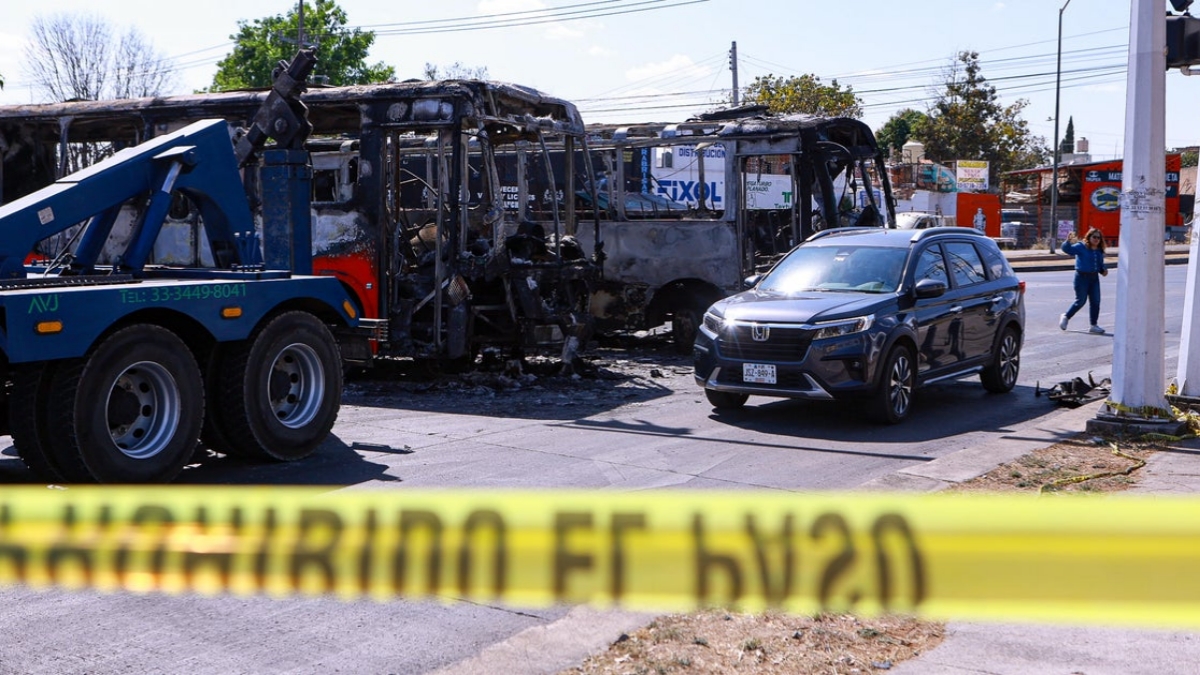
Regional disruption: Retaliatory attacks by cartel affiliates spread across Jalisco and neighboring states, causing flight cancellations and road closures.
PUERTO VALLARTA, Mexico — Dozens of US travelers, including at least eight from Chicago, were ordered to stay indoors Sunday after violent clashes erupted in Puerto Vallarta and nearby areas.
The unrest followed the reported death of Nemesio Rubén Oseguera Cervantes, leader of the Jalisco New Generation Cartel (CJNG), triggering arson, road blockades, and gunfire that disrupted daily life and travel.
The violence began Sunday after Mexican security forces reportedly killed Oseguera Cervantes, a key figure in one of Mexico’s most violent criminal organizations. The CJNG has been responsible for large-scale drug trafficking, extortion, and armed confrontations with rival groups.
Local authorities said the leader’s death prompted swift retaliation, with cartel members blocking roads, setting vehicles on fire, and engaging in gun battles.
The CJNG, founded in 2009, has expanded rapidly to control significant portions of Mexico’s drug trade. Its leader, El Mencho, had long been a target of law enforcement in both Mexico and the United States.
Past operations against cartel leadership often trigger temporary spikes in violence, as factions compete for control and signal power.
Puerto Vallarta, a city that typically attracts international tourists for its beaches and resorts, became an unexpected flashpoint amid these retaliatory attacks.
Local authorities closed roads and advised hotels and residents to secure entrances while security forces responded.
David Shirk, director of global policy at the University of San Diego, explained that cartels frequently stage rapid, high-profile displays of violence after leadership changes.
“These acts are not random; they are strategic, meant to pressure authorities and maintain territorial control,” Shirk said. (David Shirk, Director of Global Policy, University of San Diego)
Security analyst Alejandro Hope noted that tourist areas, though normally safe, are vulnerable when cartels seek to demonstrate continued influence.
“Violence can spill over into coastal cities when enforcement targets top cartel leaders. It is a reminder that even popular resorts are not insulated,” Hope said. (Alejandro Hope, Security Analyst)
Chicago resident Jonathan Pizer, trapped in Puerto Vallarta, described the situation as “chaotic and frightening.”
“Roads were blocked, vehicles were on fire, and gunfire was everywhere. We were stuck in our hotel, unsure of when it would be safe to leave,” Pizer said.
Another traveler, Brad Lippitz, reported spending hours sheltering in a secure location as authorities worked to clear streets.
“The sirens and explosions made it tense. Officials were communicating constantly, but it was surreal being in a tourist town under siege,” Lippitz said.
Mexican authorities are coordinating with US consular officials to assist citizens and restore transportation networks. Analysts caution that unrest may continue for several days as cartel factions reorganize. Travelers are advised to follow official instructions, remain indoors, and register with consular services for updates.
The events in Puerto Vallarta highlight the persistent risks posed by organized crime in parts of Mexico, even in cities considered safe for tourists.
While law enforcement successes against cartel leaders represent significant operational gains, the immediate retaliatory violence underscores the challenges of combating entrenched criminal networks.


