
KEY POINT
- Micky Dolenz tribute to Neil Sedaka underscores Sedaka’s cross generational impact as a singer and songwriter.
- Sedaka scored chart topping hits in the early 1960s and again in the 1970s, reflecting rare longevity in pop music.
- Industry analysts say Sedaka’s songwriting partnerships and reinvention shaped modern pop collaboration models.
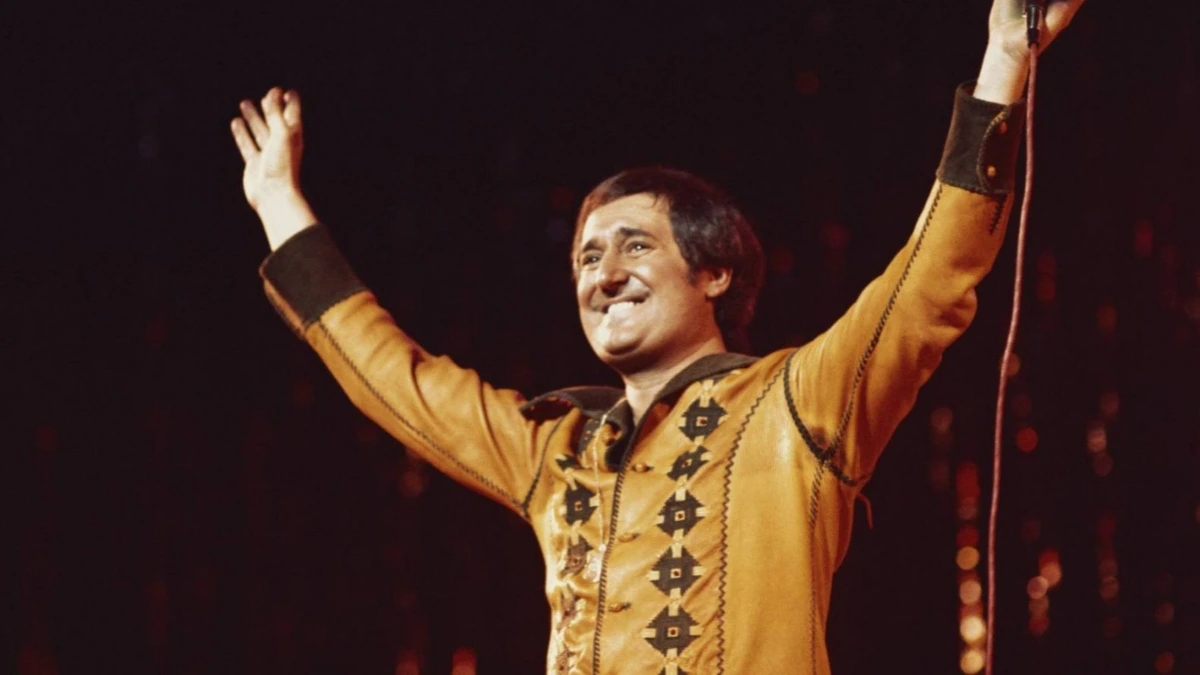
LOS ANGELES — Micky Dolenz paid tribute Saturday to Neil Sedaka, the pop hitmaker behind classics such as “Oh! Carol” and “Breaking Up Is Hard to Do,” who died Friday at age 86.
Dolenz, the last surviving member of The Monkees, described Sedaka as “one of those rare songwriters who could do it all,” highlighting his lasting influence on multiple generations of pop music.
The Micky Dolenz tribute to Neil Sedaka followed confirmation of Sedaka’s death at 86, marking the end of a career that spanned more than six decades.
Sedaka’s music defined early rock era pop, then found renewed commercial success in the 1970s, a resurgence few artists achieve.
Dolenz said in a written statement that Monkees fans “will know his work, too,” noting that Sedaka co wrote “When Love Comes Knocking at Your Door” with Carole Bayer Sager and penned “Rainy Jane” for Davy Jones’ solo album. Dolenz also recalled Sedaka traveling from the East Coast to perform at a memorial for Jones in Los Angeles.
“I’ll never forget when he showed up all the way from the East Coast to pay tribute to Davy,” Dolenz said, adding that he was sending thoughts to Sedaka’s family and admirers.
Sedaka’s first Top 10 hit came in 1959 with “Oh! Carol.” He followed with a string of early 1960s pop standards, including “Calendar Girl,” “Little Devil” and “Happy Birthday Sweet Sixteen.” In 1962, “Breaking Up Is Hard to Do” reached No. 1 on the Billboard Hot 100, cementing his place in American pop culture.
After a commercial lull during the British Invasion, Sedaka relocated to the United Kingdom and rebuilt his career. In 1974, he was signed to a label founded by Elton John, whose Rocket Record Company released the compilation album “Sedaka’s Back” in the United States. The album achieved gold certification and marked the beginning of Sedaka’s second commercial peak.
In 1975, Sedaka topped the Billboard Hot 100 twice, first with “Laughter in the Rain” and later with “Bad Blood.” A new ballad version of “Breaking Up Is Hard to Do” also reached the Top 10, an uncommon feat for a rerecorded single.
Music historian John Covach, director of the Institute for Popular Music at the University of Rochester, said Sedaka’s catalog demonstrates structural clarity and melodic discipline that distinguished his songwriting.
“Sedaka combined Brill Building craftsmanship with performer authenticity,” Covach said. “His work anticipated the singer-songwriter movement while still rooted in Tin Pan Alley tradition.”
Anthony DeCurtis, contributing editor at Rolling Stone and a professor at New York University, said Sedaka’s reinvention in the 1970s reflects adaptability rare among early rock era artists.
“Many 1950s and early 1960s pop stars faded during the British Invasion,” DeCurtis said. “Sedaka reemerged by aligning with new collaborators and production styles, without abandoning his melodic sensibility.”
The Micky Dolenz tribute to Neil Sedaka also highlights Sedaka’s behind the scenes influence. Beyond his own recordings, he wrote or co wrote songs for other performers, reinforcing his reputation within the industry as a versatile composer.
Linda Bloom, senior writer at the Songwriters Hall of Fame, said Sedaka’s legacy extends beyond chart statistics.
“He demonstrated that pop songwriting could be both commercially accessible and structurally sophisticated,” Bloom said. “That balance continues to influence contemporary pop writers.
Mark Ribowsky, author of several music biographies, said the Micky Dolenz tribute to Neil Sedaka underscores the interconnected nature of 1960s pop.
“These artists moved in overlapping creative circles,” Ribowsky said. “Sedaka’s collaborations with figures like Carole Bayer Sager show how collaborative networks powered the era’s hits.”
Dolenz’s remembrance also reflects personal history. He cited Sedaka’s presence at Davy Jones’ memorial as an enduring gesture of friendship, reinforcing Sedaka’s reputation for loyalty within the industry.
Sedaka’s catalog is expected to see renewed streaming interest following news of his death, a pattern common after the passing of major recording artists. Industry observers say catalog reissues and tributes could follow as rights holders assess commercial demand.
Scholars also note that Sedaka’s career arc may draw renewed academic attention for its demonstration of artistic reinvention across distinct musical periods.
The Micky Dolenz tribute to Neil Sedaka marks the passing of a songwriter whose career bridged formative eras of popular music.
From early rock era chart success to a 1970s comeback, Sedaka’s body of work illustrates longevity shaped by melodic craftsmanship, adaptability and collaborative reach. As tributes continue, his recordings and compositions remain embedded in the foundation of modern pop songwriting.


