
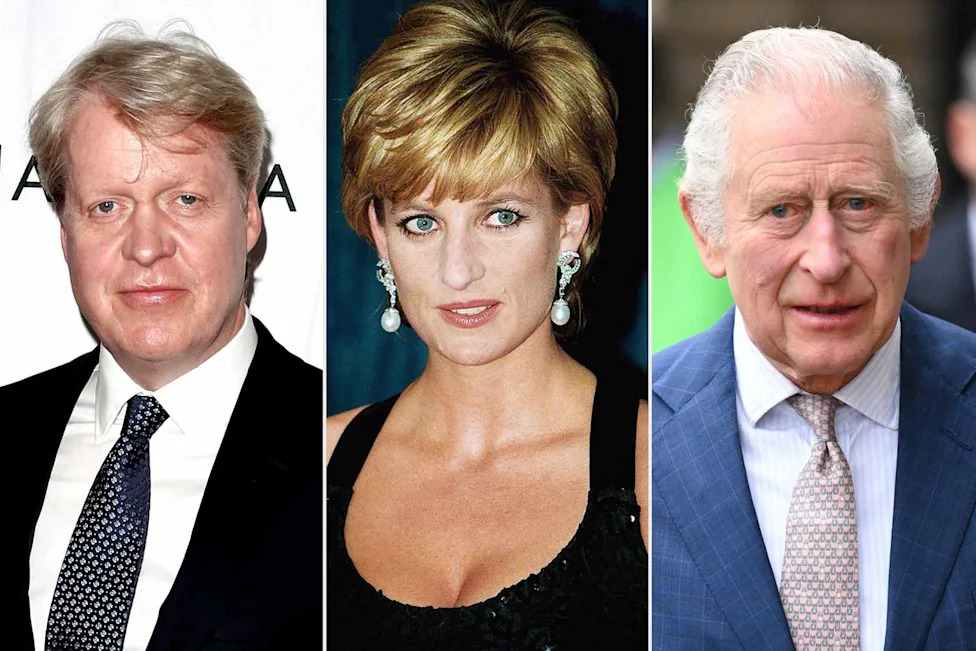
KEY POINT
- Spencer says the alleged remark came during an argument over William and Harry’s role in Diana’s funeral procession.
- The account appears in Swan Song: Diana, My Sister, due to be published Sept. 22.
- Buckingham Palace has questioned the reliability of memories shaped by grief but did not give a separate account of the conversation.

The allegation comes from Earl Spencer’s new memoir, which looks back at Diana’s life and the events surrounding her death from the perspective of her younger brother. An extract published ahead of the book’s release describes a tense exchange between Spencer and the then Prince Charles in the days following Diana’s death in 1997.
At the center of the disagreement was the decision to have Princes William and Harry walk behind their mother’s coffin. Spencer says he objected after learning that the boys, who were 15 and 12 respectively, were expected to take part in the public procession.
Spencer writes that Charles contacted him after the disagreement and argued from his own experience of walking in the funeral procession for his great-uncle Lord Mountbatten in 1979. Spencer’s account notes that Charles had been an adult at the time, while William and Harry were still teenagers.
The conversation, according to Spencer, became increasingly heated. He alleges that Charles eventually told him, “we’ll forget her soon enough,” referring to Diana. Spencer says the statement left him shocked and that he ended the telephone conversation.
The memoir presents this as Spencer’s recollection of a private conversation almost 30 years ago. The reported exchange has not been independently established beyond Spencer’s account, making the distinction between the memoir’s allegation and confirmed historical facts important.
Buckingham Palace responded to the claim through a spokesperson, despite its usual position of not commenting on books as a matter of principle.
The palace said the King was mindful that the pain associated with losing a sibling can affect a person’s reason, judgment and memory, including many years after the event. The statement therefore challenged the reliability of Spencer’s recollection without providing a competing version of the alleged call.
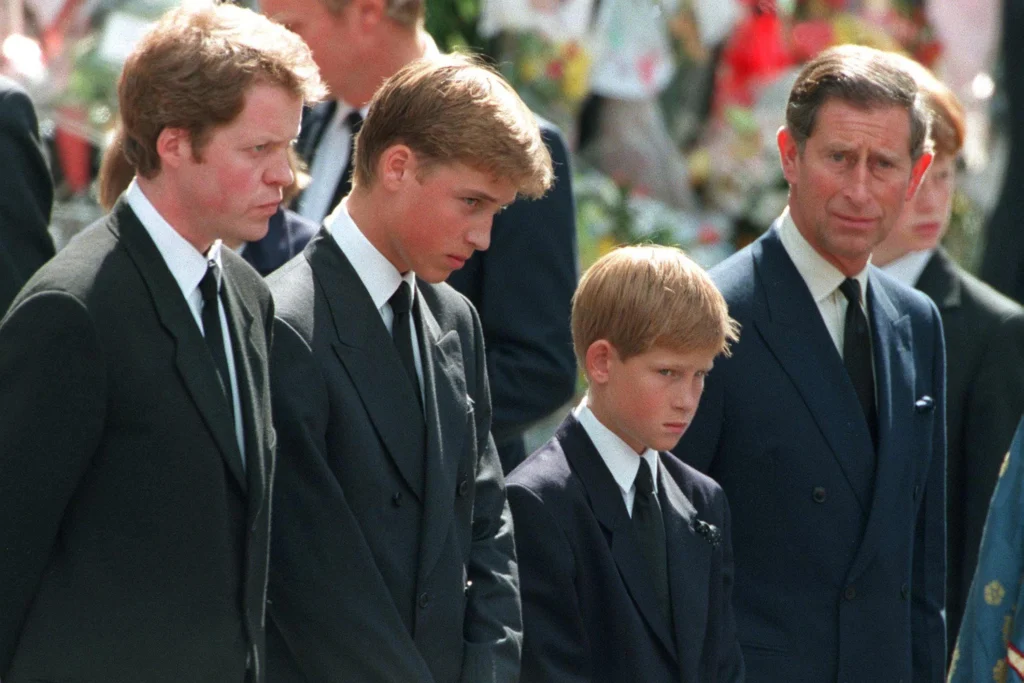
Diana died on Aug. 31, 1997, after the car carrying her crashed in Paris. She was 36. Her funeral procession took place several days later, with William and Harry walking alongside other members of the royal family and Spencer.
The procession became one of the defining public moments following Diana’s death. Spencer later delivered the eulogy at her funeral, speaking about the family’s commitment to William and Harry.
Spencer’s memoir places the disputed conversation within a much wider personal account of Diana. He has said the book is intended to tell her story from his perspective as her brother rather than through accounts written by others.
The controversy is therefore centered not on a newly discovered recording or document, but on Spencer’s written recollection of an intensely emotional period. The palace response highlights that difference and leaves readers with two clearly distinct accounts of the episode.
The Daily Mail published the extract from Spencer’s memoir before its release. Penguin Random House has confirmed that the passages quoted in the reporting accurately appear in the book, while Buckingham Palace issued its statement addressing the nature of Spencer’s recollection.
Swan Song: Diana, My Sister is scheduled for publication on Sept. 22, 2026, by Penguin Michael Joseph. The book is expected to provide Spencer’s broader account of Diana’s life and the events surrounding her death.
What did Charles Spencer claim about King Charles?
Spencer alleges that the then-Prince Charles told him Diana would be forgotten “soon enough” during an argument about her funeral procession.
What was the disagreement about?
Spencer says he objected to William and Harry, then 15 and 12, walking behind their mother’s coffin during the public procession.
What did Buckingham Palace say?
The palace said grief can affect reason, judgment and memory, particularly when a painful loss is being recalled many years later.


