
KEY POINT
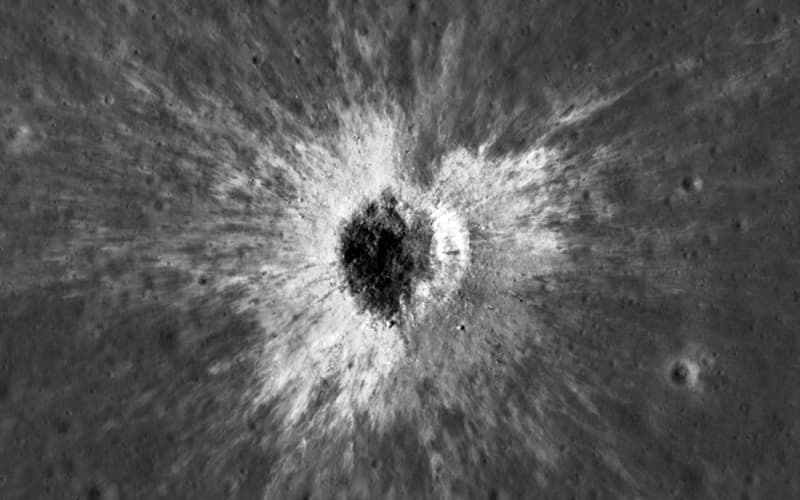
- McGetchin is 728 feet wide and 141 feet deep, making it the largest newly formed lunar crater identified in the supplied research.
- Robert Wagner detected the impact while comparing LRO images captured years apart during a routine data-quality check.
- Scientists found a four-mile-wide area around the crater that becomes significantly colder at night because the impact disturbed the lunar soil.
The crater was not discovered immediately after the collision. Robert Wagner, an image-processing specialist working with the Lunar Reconnaissance Orbiter Camera system, spotted an unusually bright feature while examining global lunar maps on Oct. 24, 2025.
The Wide Angle Camera captures broad sections of the Moon, allowing researchers to compare images taken at different times. Software highlighted changes between older and newer maps, while Wagner examined the flagged areas to determine whether they represented genuine surface changes or imaging effects. NASA said the bright debris pattern surrounding McGetchin was unusually prominent.
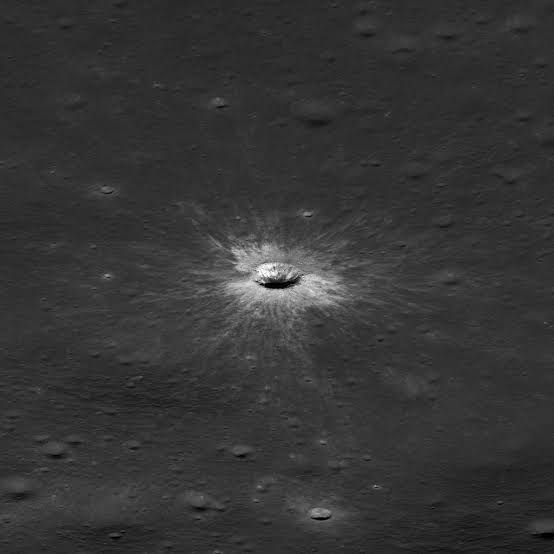
Researchers later used LRO’s Narrow-Angle Camera for much sharper observations. Those images showed a distinct crater measuring 728 feet across and 141 feet deep. The impactor was estimated to be comparable in size to a three- to six-story building and was likely an asteroid or comet.
Scientists estimate that an impact capable of producing a crater of this scale occurs on the Moon roughly once a century or less frequently. That makes McGetchin an unusually valuable example of a freshly created lunar impact that can be studied with spacecraft observations.
The crater also extends the scientific value of LRO beyond simply photographing the lunar surface. NASA said the mission has identified at least 1,000 new impact craters and roughly 100,000 additional surface changes during its long-term observations.
The impact altered more than the ground directly inside the crater. Data from LRO’s Diviner thermal instrument showed a cold region about four miles across surrounding McGetchin. At night, that area was about 16 degrees Fahrenheit cooler than nearby terrain.
Scientists attribute the temperature difference to disturbed regolith. The impact loosened and redistributed the lunar soil, changing how efficiently the surface retains heat. Researchers said such changes could also matter for future lunar vehicles because altered ground conditions can influence how rover wheels interact with the surface.
SOURCE
NASA Science reported the discovery, LRO observations and Diviner findings. The research was published in Science Advances.


