
KEY POINT
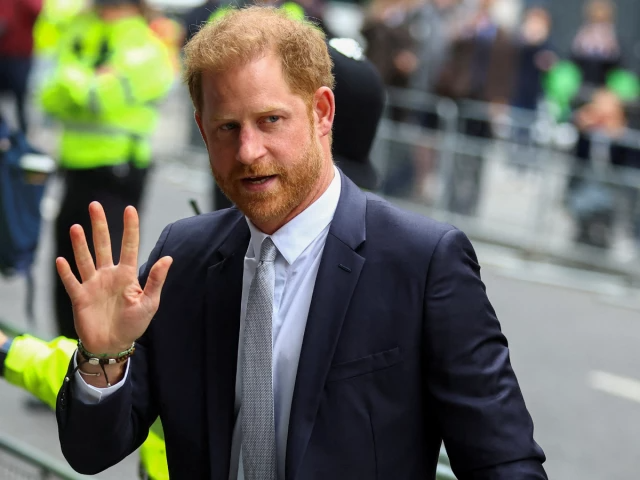
- Prince Harry and six other claimants filed applications for permission to appeal on November 6, 2026.
- Their original lawsuit accused Associated Newspapers Limited of using unlawfully obtained information in stories published between the 1990s and 2011.
- The High Court dismissed all claims in July, while the publisher described the outcome as a major victory for its journalists.
The latest application marks another stage in Prince Harry’s long running legal disputes with British newspaper publishers. The Duke of Sussex joined several prominent individuals in challenging Associated Newspapers Limited (ANL), the publisher of the Daily Mail and Mail on Sunday.
The claimants alleged that articles about them had relied on information obtained through unlawful methods over a period extending from the 1990s to 2011. Other people involved in the case included musician Elton John, actress Elizabeth Hurley, and Sadie Frost, the former wife of actor Jude Law.
However, the court rejected their claims in July after concluding that the evidence had not established the alleged unlawful information gathering. The decision represented a significant setback for the claimants, who had sought legal accountability from the publisher.
On November 6, their spokesperson confirmed that applications had been submitted to the Court of Appeal, requesting permission to challenge judgments delivered by Mr. Justice Nicklin. The applications also concern the indemnity costs order made against them.
In a statement, the spokesperson said the claimants disagreed with the decisions, describing them as legally and factually flawed. The appeal application challenges both the dismissal of their claims and the financial consequences of the judgment.
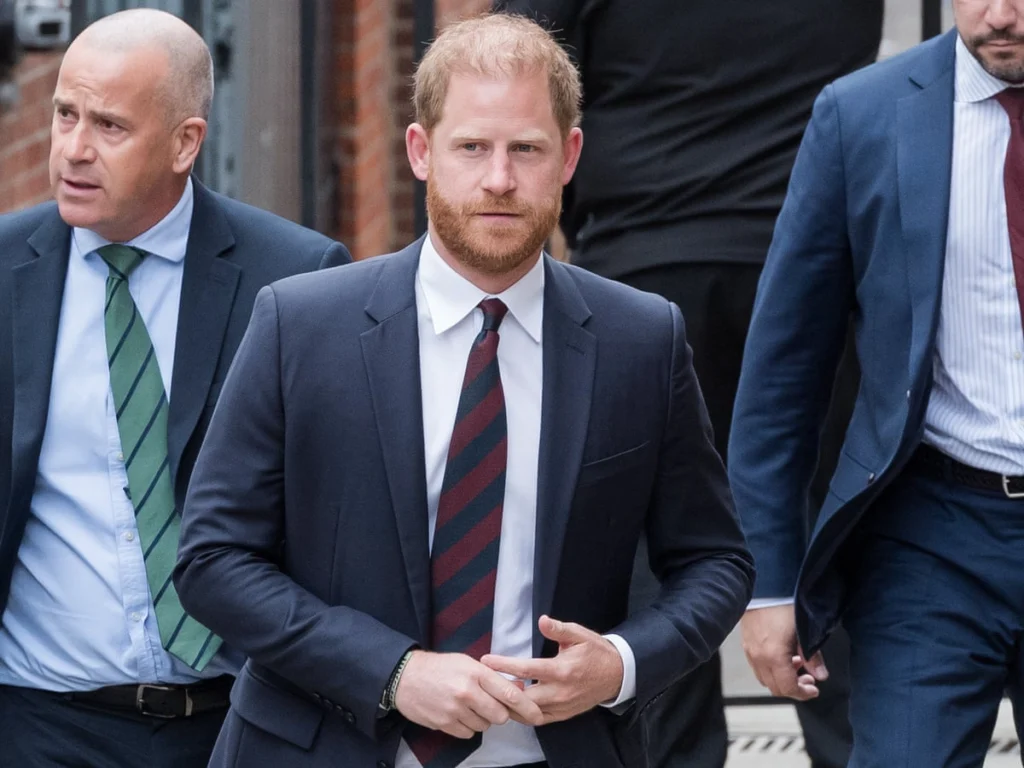
Following the July ruling, Harry and fellow claimant Baroness Doreen Lawrence issued a strongly worded response. They described the outcome as a complete and obvious whitewash, arguing that their evidence had not received fair consideration.
Their criticism focused on what they viewed as unequal treatment of the evidence presented by both sides. They alleged that the court accepted denials from Mail journalists despite what they described as inconsistencies and contradictions in the documentary material.
ANL took the opposite position, calling the judgment an overwhelming victory for the Daily Mail, its journalists and freedom of the press.
These contrasting reactions highlight the central disagreement surrounding the case: the claimants believe the evidence supported their allegations, while the publisher maintains that the court reached the correct conclusion.
The financial consequences have also become a major part of the dispute. In August, the court ordered the claimants to make an interim payment of approximately £9.54 million, equivalent to around $13 million, by August 28.
The judge also granted an indemnity costs order. This type of order can require the losing party to cover the winning side’s actual legal expenses, even when those expenses exceed what would ordinarily be considered proportionate.
ANL disclosed legal costs of approximately $45.8 million in a court filing. However, Nicholas Bacon, the claimants’ lawyer, described the figure as an eye-watering overestimation.
The Telegraph reported that Harry and some other claimants had insurance covering approximately $23.4 million, although the policy would not cover the entire declared legal bill.
The latest dispute is part of a wider history of privacy litigation involving the Duke of Sussex and British media organizations.
Harry and Meghan Markle previously won a case against the Mail on Sunday over the publication of a private letter Meghan had written to her father, Thomas Markle, in 2018. The court awarded her symbolic damages of £1.
Harry also reached a settlement with the publisher of The Sun in January 2025. The agreement included an eight figure damages payment and an apology acknowledging unlawful actions.
Those outcomes demonstrate that the Duke has pursued separate legal challenges against different publishers, with different results.
The immediate next step is for the Court of Appeal to consider the applications for permission to appeal. The November 6 filing does not itself mean that an appeal has been granted or that the original judgment has been overturned.
The legal dispute therefore remains unresolved at the appellate stage, while the claimants also face questions surrounding the substantial costs associated with the original proceedings.


