
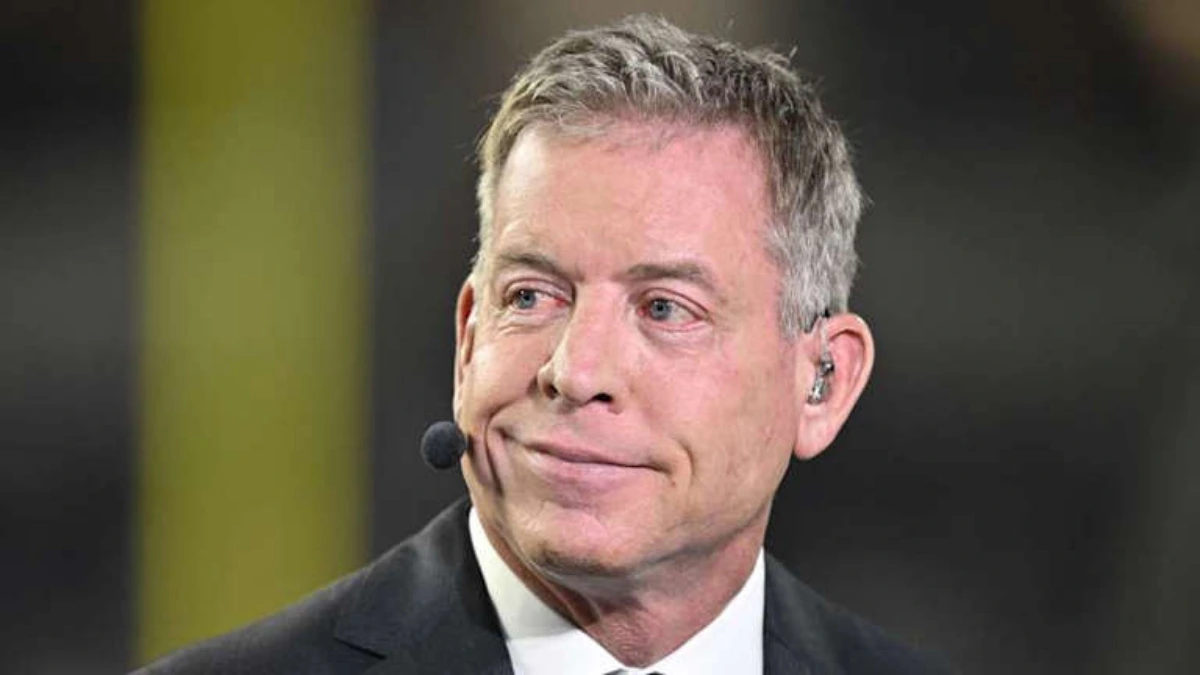
DALLAS Hall of Fame quarterback and ESPN analyst Troy Aikman expressed skepticism about the allure of NFL head coaching positions, raising questions about the demands of the job as he assists the Miami Dolphins in finding their next head coach. Aikman made the remarks Friday during his weekly appearance on KTCK‑AM’s The Musers in Dallas.
KEY POINT
- Troy Aikman described the NFL head coaching role as “a tough, tough job” and questioned why anyone would pursue it.
- His comments follow recent career changes by long-tenured coaches Mike Tomlin and John Harbaugh.
- The remarks come during the Dolphins’ ongoing search for a new head coach, highlighting challenges in attracting top candidates.
Aikman’s remarks highlight the increasing pressures facing NFL head coaches, a role that demands extensive management of coaching staffs, media relations, and team performance.
With several high-profile departures recently, the conversation reflects a broader reevaluation of the position’s demands and rewards.
Mike Tomlin stepped away from the Pittsburgh Steelers after 19 seasons, a tenure notable for consistency in regular-season success but recent playoff disappointments. Similarly, John Harbaugh left the Baltimore Ravens after 18 seasons, marking the end of a long-standing coaching era.
Both departures underscore the intense scrutiny and high expectations that have become standard in modern NFL coaching careers.
NFL head coaches are expected to oversee strategy, player development, and in-game decisions while managing pressure from owners, fans, and the media.
The average tenure of NFL coaches has shortened compared with past decades, and the profession is increasingly viewed as high-risk despite significant financial compensation.
Sports management experts say Aikman’s perspective reflects broader industry trends. “The combination of year-round responsibilities, high stakes, and intense public scrutiny has shifted the perception of coaching as a career,” said Dr. Elena Morales, a sports management consultant.
J.P. Sullivan, a former NFL general manager, added that the availability of alternative career paths in media and executive roles has changed incentives for experienced coaches. “In today’s NFL, a top assistant might choose a front-office or broadcast career for stability while maintaining influence in the league,” Sullivan said.
“It’s a tough, tough job right now. I’ve often said, I’m not sure why anyone would want to go into coaching,” Aikman said.
Mike Preston, an NFL analyst covering league personnel for decades, observed: “Coaches now navigate expectations not just for wins, but for media narratives and organizational alignment.”
Rex Shaw, a former assistant coach turned consultant, noted: “Younger coaches weigh lifestyle, family, and career longevity more than previous generations did.”
NFL teams may increasingly rely on advisory roles, executive integration, and data-driven selection processes to fill coaching vacancies.
The evolution of career pathways could result in more hybrid roles blending coaching, analytics, and executive oversight, potentially changing the traditional trajectory for NFL coaches.
Aikman’s observations underscore the changing landscape of NFL coaching, reflecting pressures, high expectations, and alternative career opportunities that are reshaping how top-tier professionals view sideline positions. The remarks contribute to ongoing discussions about sustainability, compensation, and career strategy in the league.


