
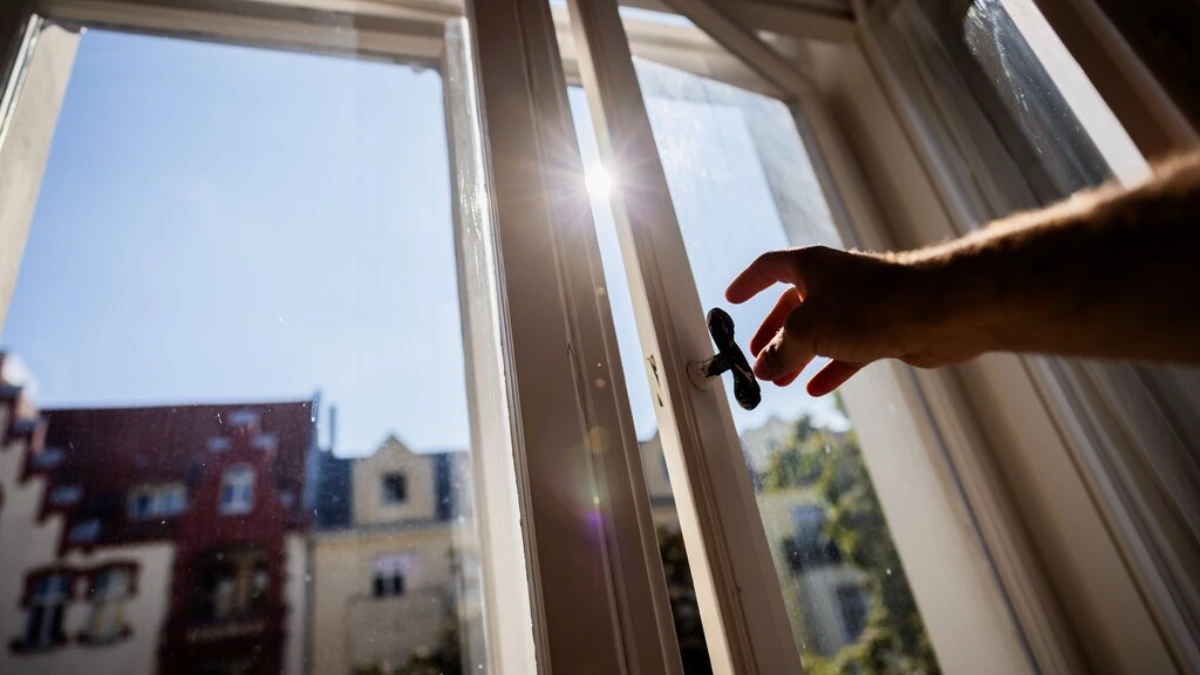
BERLIN. What began as a cultural shock for a US transplant in Germany is now emerging as a broader housing and lifestyle conversation on both sides of the Atlantic. The practice known as house burping, a regimented method of opening windows several times a day to exchange indoor and outdoor air, has long been treated as a cold-weather necessity in German homes. Rising energy costs, post-pandemic health awareness and tighter building standards are now pushing Americans to consider the same approach.
KEY POINT
- House burping is a deeply ingrained German ventilation practice rooted in health, building science and energy efficiency.
- US interest is growing as airtight homes and indoor air quality concerns reshape housing habits.
- Experts say the practice reflects broader shifts in how modern buildings manage moisture, heat and health risks.
When Wyatt Gordon moved from Honolulu to Berlin, he expected cultural differences. What he did not expect was a strict morning routine involving fully opened windows in the middle of winter.
His German roommate, Laura, insisted on airing out the apartment three times daily, a ritual she said was non-negotiable.
The practice, commonly referred to as house burping, is considered routine in Germany and is increasingly attracting attention abroad as Americans reassess how they ventilate their homes.
Germany’s ventilation culture is rooted in both history and regulation. Older buildings relied on natural airflow to prevent dampness and mold.
As postwar reconstruction accelerated, dense urban housing made ventilation a shared responsibility rather than a personal preference.
Modern German building codes emphasize insulation and airtight construction to reduce energy loss. These designs require regular air exchange to prevent moisture buildup.
The solution was not mechanical ventilation alone but disciplined window opening, known locally as “Stoßlüften,” or shock ventilation.
Over time, house burping became a normalized habit taught in schools, rental agreements and even public health campaigns.
In contrast, American homes traditionally relied on central heating and cooling systems.
Windows were optional, often opened only in mild weather. That divide is narrowing as US construction trends mirror European energy efficiency standards.
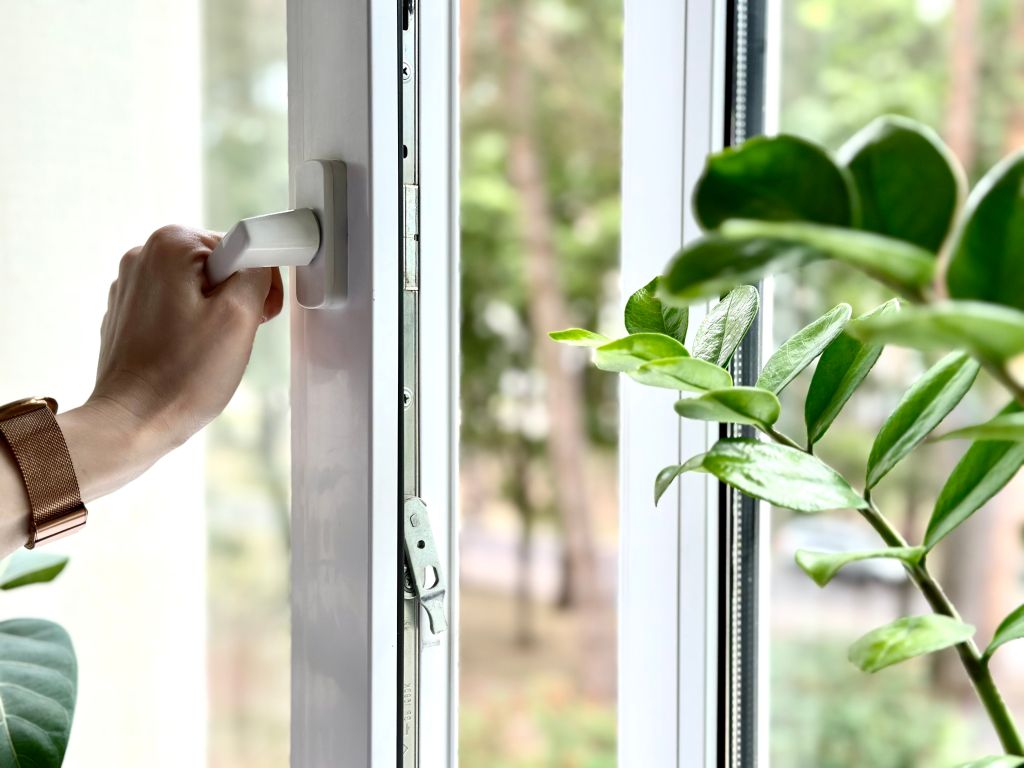
Building scientists say the renewed focus on ventilation reflects structural changes rather than lifestyle trends.
“Modern homes are designed to be sealed,” said Dr. Anne Keller, a building physicist at the Technical University of Munich. “Without deliberate air exchange, humidity and pollutants accumulate very quickly.”
Energy analysts note that Germany’s energy price shocks since 2022 reinforced the practice.
Short, intense ventilation minimizes heat loss compared with leaving windows cracked open. That efficiency logic is now resonating in US cities facing higher utility costs.
Public health experts also link house burping to indoor air quality concerns amplified during the COVID 19 pandemic. Airborne transmission awareness prompted renewed scrutiny of stagnant indoor air, even in private residences.
As US housing codes continue to emphasize energy efficiency, experts expect ventilation practices to evolve.
Some builders are incorporating European-style mechanical systems that automate air exchange. Others promote behavioral changes similar to house burping, particularly in colder regions.
Housing researchers say the practice is less about culture and more about adapting to modern buildings. Education, rather than enforcement, is likely to shape adoption outside Germany.
The rise of house burping from a local German norm to an international talking point underscores how housing, health and energy concerns intersect.
As buildings become tighter and climates more unpredictable, the simple act of opening a window is gaining new relevance, not as a habit, but as a response to changing living environments worldwide.


