
KEY POINT
- Federal agent Minneapolis shooting reported Saturday, under investigation by local and federal authorities.
- Incident occurs amid heightened protests over federal immigration operations in the city.
- Tensions between Minnesota state officials and federal agencies are escalating over jurisdiction and public safety concerns.
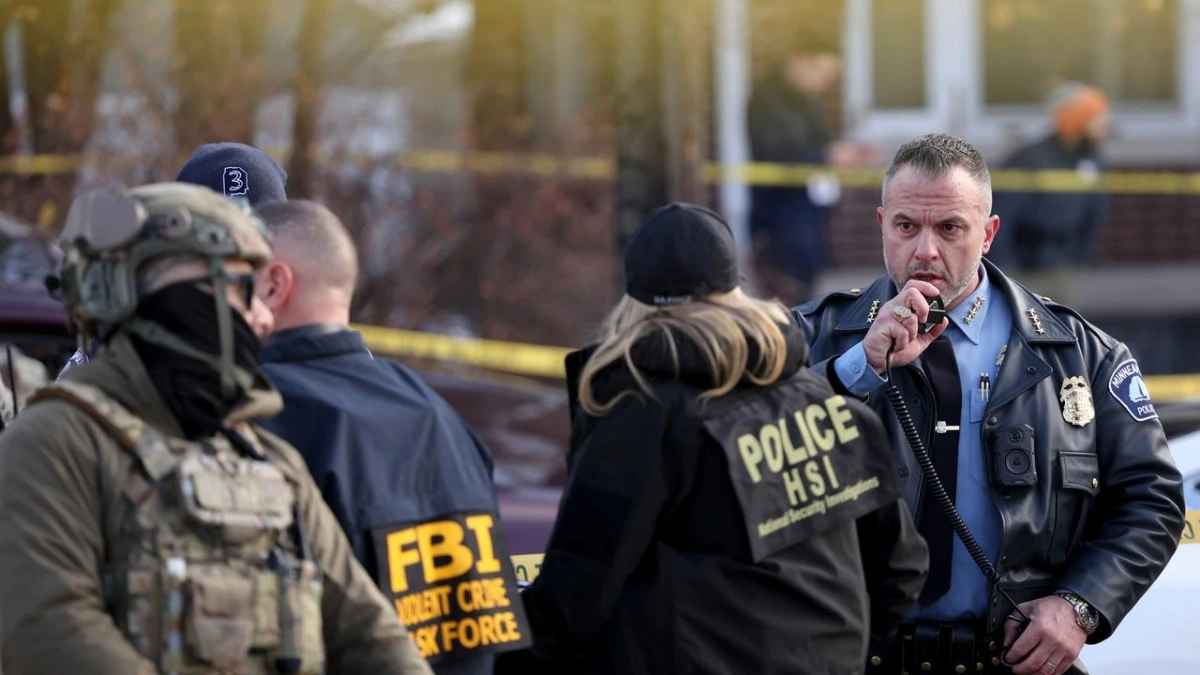
MINNEAPOLIS — A federal agent was reportedly involved in a shooting in Minneapolis Saturday, prompting an immediate review by city and state authorities and intensifying debates over federal immigration enforcement in Minnesota.
Minnesota Gov. Tim Walz said he spoke with President Donald Trump about the incident and called for the withdrawal of federal agents from the state, describing the situation as “sickening.”
City officials confirmed they were investigating reports of the shooting near 26th Street West and Nicollet Avenue, though they had not released information regarding injuries or suspects.
The incident comes at a time of heightened scrutiny of federal enforcement operations in Minneapolis.
Recent months have seen the deployment of hundreds of federal agents, including Immigration and Customs Enforcement (ICE) and Customs and Border Protection (CBP) officers, to assist in local law enforcement efforts.
The city has seen protests related to immigration enforcement and the death of Renee Good, who was fatally shot by an ICE agent earlier this month.
Community leaders have voiced concern that federal operations have contributed to public unrest and strained relations between law enforcement and residents.
The shooting follows previous incidents in Minneapolis involving federal agents. The death of Renee Good on Jan.
7 drew national attention and sparked ongoing demonstrations, with residents demanding transparency and accountability in law enforcement actions.
State authorities, including the Minnesota Bureau of Criminal Apprehension, have faced limitations in accessing federal investigative materials, complicating oversight efforts.
Minnesota has a history of tension between local and federal authorities regarding law enforcement tactics.
Experts note that federal deployments in cities without full local cooperation often lead to conflicts over jurisdiction, transparency, and public trust.
Legal experts say the incident raises critical questions about the balance of federal authority and local governance.
Jillian Weiss, a professor of civil rights law at the University of Minnesota, said, “The reported involvement of a federal agent Minneapolis shooting highlights the need for clear oversight when federal authorities operate within city limits. Accountability and community trust are essential to maintaining public safety.”
Robert Calder, a former federal prosecutor specializing in immigration law, added, “Federal agents have legal authority to enforce national statutes, but any use of force incident must be carefully investigated.
Public perception and legitimacy are just as important as statutory authority.”
Local officials and community members expressed concern over safety and accountability.
“Law enforcement must be transparent and accountable to the communities they serve,” said Brian O’Hara, Minneapolis Police Chief.
Minnesota Attorney General Keith Ellison called for a thorough review of the incident, emphasizing the need for public trust in investigations.
Protester Shanta Hejmadi, a Minneapolis resident, said, “We are demanding that our neighborhoods feel safe and that law enforcement acts fairly toward all residents.”
Authorities are expected to release additional information as investigations progress.
Legal analysts anticipate that tensions between federal and state authorities could influence discussions about law enforcement authority, civil liberties, and immigration enforcement policies nationwide.
The incident underscores the broader challenges of federal local cooperation and the need for transparent protocols when federal agents operate in urban communities.


