
KEY POINT
- Demond Wilson, star of “Sanford and Son,” died at age 79 in Palm Springs, California.
- His portrayal of Lamont Sanford helped redefine Black father son dynamics on US television.
- Wilson’s career spanned more than five decades across network television and film.
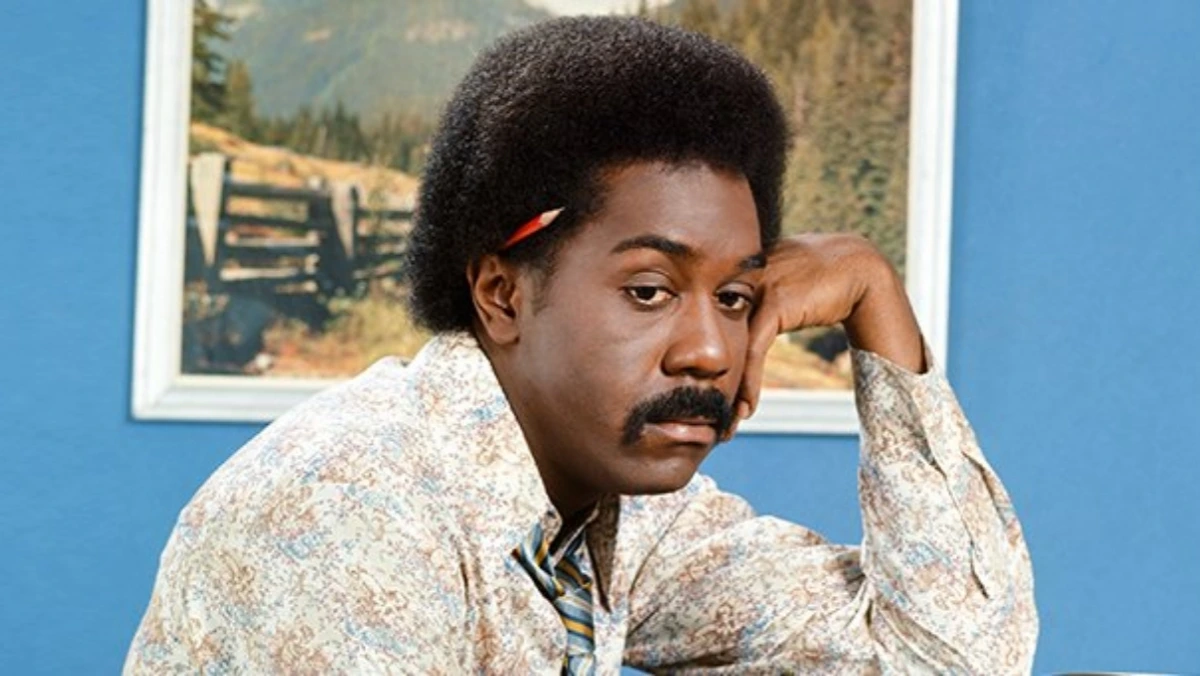
Demond Wilson, the American television actor best known for portraying Lamont Sanford on NBC’s groundbreaking sitcom “Sanford and Son,” has died at age 79, his family confirmed.
Wilson died Friday at his home in Palm Springs, California, after a battle with cancer, according to his son, Demond Wilson Jr., who confirmed the death to TMZ.
The death of Demond Wilson marks the passing of a central figure from one of television’s most influential sitcoms of the 1970s.
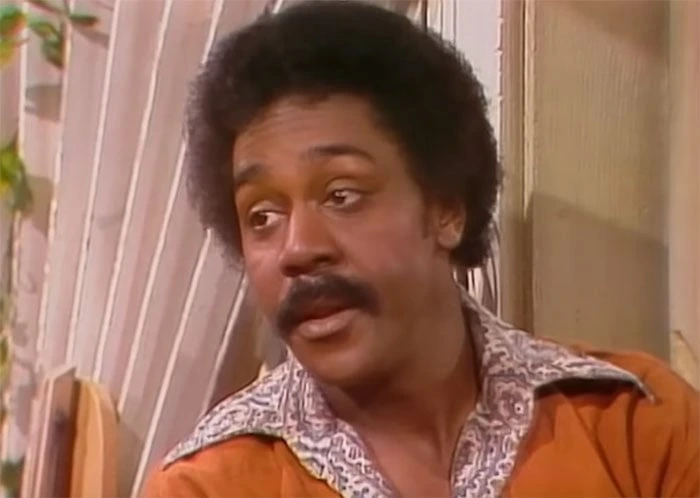
“Sanford and Son,” which aired from 1972 to 1977, was among the first US network comedies to center Black working-class life, drawing large audiences and reshaping prime time representation.
Wilson’s performance as the long suffering, pragmatic son to Redd Foxx’s irascible Fred Sanford became a cultural touchstone that continues to resonate with audiences worldwide.
Born in New York City, Wilson began his career in theater before transitioning to television during a period of significant change in American media.
He joined NBC’s “Sanford and Son” in its debut season, portraying Lamont Sanford, a character adapted from the British series “Steptoe and Son.”
The US version, developed by Norman Lear and Bud Yorkin, ran for six seasons and consistently ranked among the network’s top rated programs.
Following the end of “Sanford and Son,” Wilson continued working steadily in television.
He starred as Raymond Ellis in the short lived NBC sitcom “Baby… I’m Back!” and later appeared in ABC’s “The New Odd Couple” in 1982. His film credits included the 1993 comedy “Me and the Kid.”
After stepping away from acting for nearly two decades, Wilson returned to the screen in 2023 with a role in the independent drama “Eleanor’s Bench,” his final credited performance.
Television historians say Wilson’s work carried significance beyond entertainment. Donald Bogle, film historian and author of multiple books on African American representation in media, said Wilson’s Lamont Sanford was “one of the first portrayals of a Black son who functioned as both moral anchor and economic partner within a sitcom family.”
Bogle noted that the role helped normalize depictions of Black family life for mass audiences at a time when few such representations existed in prime time.
Kristen Warner, associate professor of film and television studies at the University of Alabama and author of “The Cultural Politics of Colorblind TV Casting,” said Wilson’s career reflected broader industry shifts.
L “Demond Wilson came up during an era when Black actors were beginning to gain visibility but still faced narrow role expectations,” Warner said. “His longevity speaks to both talent and adaptability in a changing television landscape.”
Wilson’s son confirmed the death and paid tribute to his father’s legacy. “I love him,” Demond Wilson Jr. said in a statement shared with TMZ. “He was a great man.” The family did not disclose the type of cancer or when Wilson was diagnosed.
Former colleagues also acknowledged his impact.
Norman Lear, the late producer behind “Sanford and Son,” had previously described Wilson in interviews as “a stabilizing presence” on set, emphasizing his role in balancing comedy with emotional realism.
Television archivists at the Paley Center for Media noted Wilson’s performances continue to draw interest from younger viewers through syndication and streaming.
While Wilson had largely stepped back from public life, his work remains widely accessible through reruns and digital platforms.
Media scholars say renewed attention to early 1970s television, driven by streaming archives and academic study, is likely to sustain interest in his contributions.
Tributes and retrospectives are expected from broadcasters and cultural institutions highlighting the era that “Sanford and Son” helped define.
Demond Wilson’s death closes a chapter in American television history marked by expanding representation and enduring characters.
Through Lamont Sanford and his later roles, Wilson helped shape how family, class and humor were portrayed on screen. His performances continue to inform discussions about television’s cultural legacy long after the original broadcasts ended.


