
KEY POINT
- The 2026 Grammy Awards signal a return to traditional programming after the altered 2025 ceremony.
- Kendrick Lamar leads nominations, highlighting continued recognition of hip hop at the Grammys.
- The show reflects broader shifts in music streaming, celebrity culture and live event economics.
LOS ANGELES — The 2026 Grammy Awards will air live Sunday night from Los Angeles, marking a return to a full scale celebration of music after last year’s ceremony shifted its focus to wildfire relief efforts in Southern California.
The 68th annual Grammys will be broadcast on CBS and streamed on Paramount+, bringing together top global artists, first time nominees and industry leaders for one of music’s most influential nights.
The Grammy Awards remain one of the most closely watched cultural events in the global entertainment calendar. Beyond trophies, the ceremony shapes streaming trends, touring demand and public recognition across genres.
The 2026 Grammys arrive at a moment when the recording industry is balancing commercial recovery, evolving technology and audience fragmentation.
This year’s broadcast restores the familiar red carpet spectacle, live performances and competitive narrative that define the awards’ global appeal.
Established by the Recording Academy in 1959, the Grammys were designed to honor artistic achievement and technical excellence in recorded music. Over decades, the awards have mirrored broader shifts in popular culture, from the rise of hip-hop and electronic music to the dominance of digital streaming.
The 2025 ceremony departed from tradition as organizers adjusted programming to emphasize wildfire relief in the Los Angeles region. Recording Academy leadership described the move as a reflection of the organization’s responsibility to respond during moments of regional crisis.
The 2026 Grammys represent a recalibration, returning the spotlight to competition while maintaining heightened awareness of the industry’s social role.
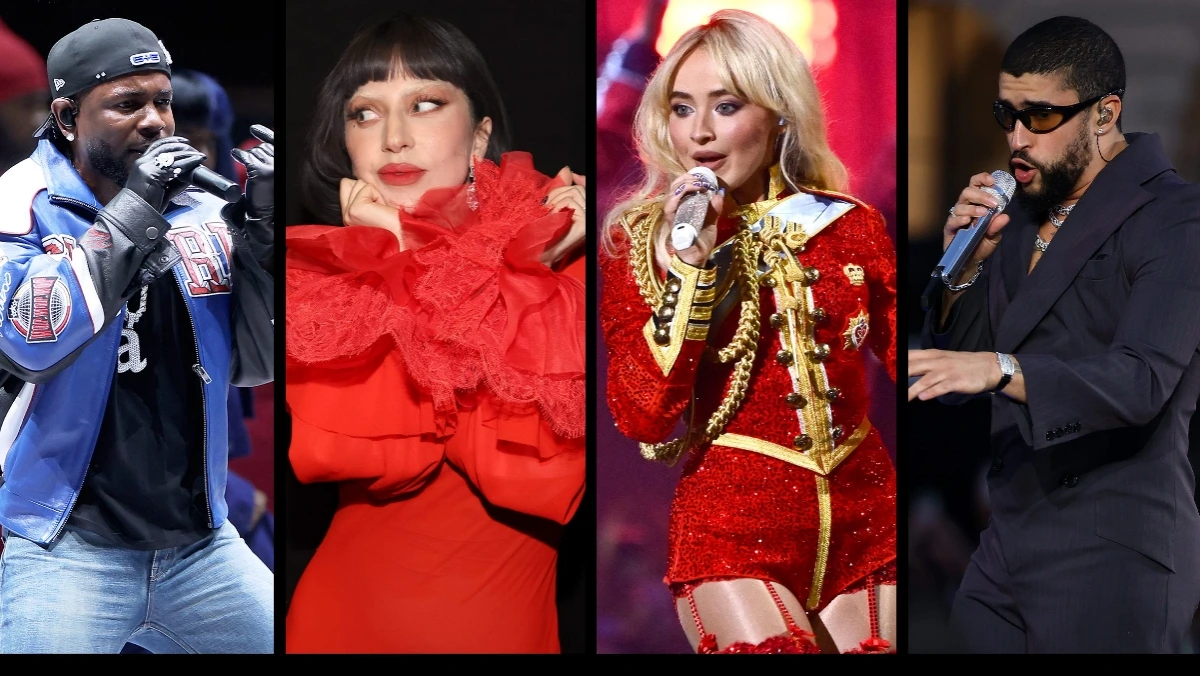
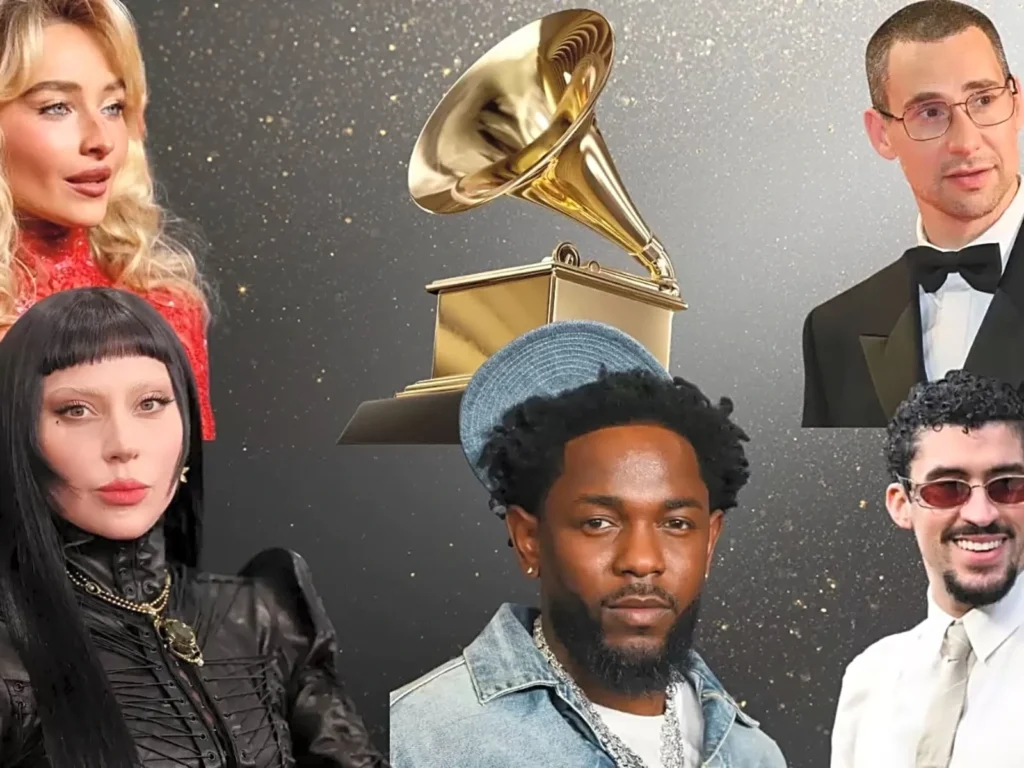
Kendrick Lamar leads the 2026 Grammy nominations with nine, continuing a pattern of sustained recognition across rap, songwriting and production categories.
Lady Gaga, Jack Antonoff and Canadian producer songwriter Cirkut follow closely with seven nominations each, underscoring the growing influence of producers and cross-genre collaboration.
“Grammys recognition increasingly reflects artists who combine commercial reach with cultural impact,” said Harvey Mason Jr., chief executive officer of the Recording Academy.
“That balance is shaping how music is evaluated across categories.”
The nominee list also includes a notable group of first time contenders such as Tate McRae, Zara Larsson, PinkPantheress and JID. In a rare crossover moment, Supreme Court Justice Ketanji Brown Jackson and actor Timothée Chalamet are among first-time nominees, highlighting the Grammys’ expanding definition of eligible creative work.
According to Kristin Robinson, senior music editor at Billboard, the nominations reflect “a continued blurring of lines between traditional music releases, spoken word projects and multimedia storytelling.”
Comedian Trevor Noah, returning for his sixth consecutive year as host, will lead the ceremony for the final time.
“The Grammys are always about honoring the music, but also about reflecting where culture is right now,” Noah said in a statement released by CBS.
From the performance side, all eight nominees for best new artist will take the stage, including Leon Thomas, Olivia Dean, Katseye, The Marías, Addison Rae, sombr, Alex Warren and Lola Young. Additional performers include Bruno Mars, Rosé, Tyler, the Creator, Lady Gaga, Sabrina Carpenter, Justin Bieber, Clipse and Pharrell Williams.
“These performances are often career-defining moments,” said Jem Aswad, executive music editor at Variety. “They can reshape how audiences perceive an artist overnight.”
The 2026 Grammys arrive as the music industry continues adjusting to changes in consumption patterns, including the dominance of short form video, algorithm driven discovery and globalized fan bases.
While award shows face competition from digital platforms, industry executives view the Grammys as a key driver of visibility and long-term catalog value.
Recording Academy officials say future ceremonies will continue to evolve while preserving the credibility of peer-based voting.
As the 2026 Grammy Awards return to their traditional format, the ceremony stands as both a celebration of artistic achievement and a reflection of the music industry’s shifting priorities.
With high profile nominees, diverse performers and a global broadcast, the Grammys remain a central marker of recognition in an increasingly fragmented entertainment landscape.


