
KEY POINT
- The SpaceX xAI merger combines a dominant private spaceflight company with a fast growing AI developer under a single corporate structure.
- The combined valuation is estimated at about $1.2 trillion, lifting SpaceX’s implied value while giving xAI shareholders access to SpaceX’s scale and cash flows.
- The deal echoes Musk’s previous consolidation of X and xAI, reinforcing his preference for tightly linked ecosystems over standalone companies.
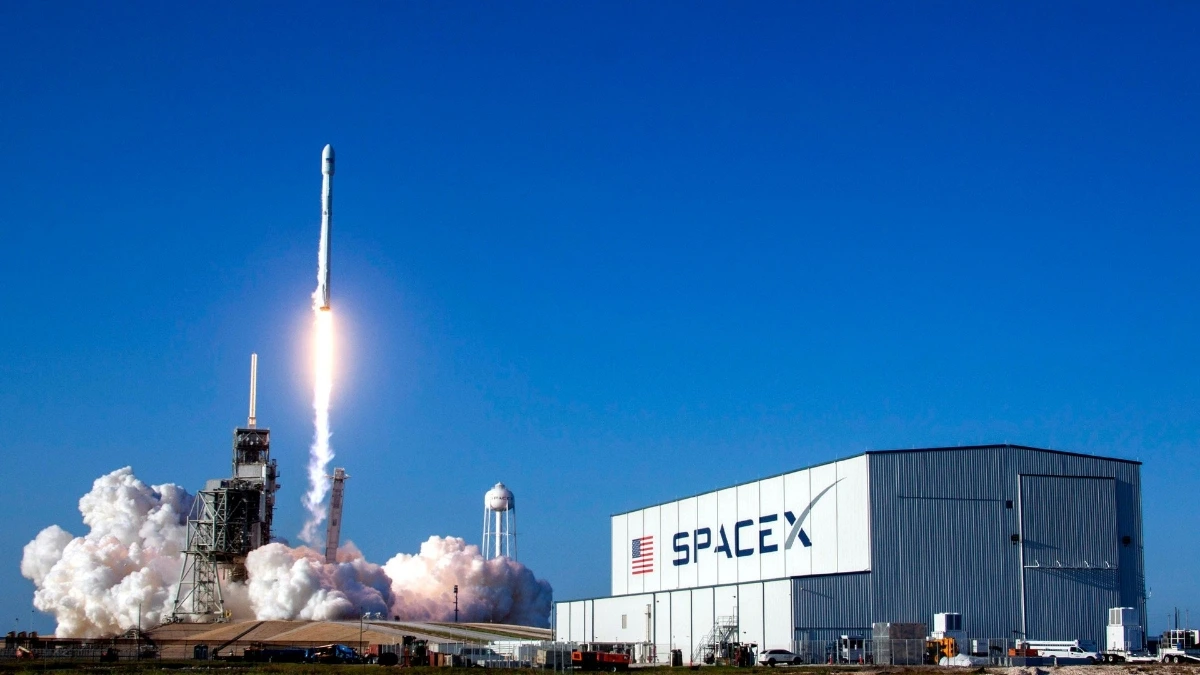
Elon Musk has folded his artificial intelligence startup xAI into SpaceX, uniting two of his most ambitious ventures in a deal that dramatically alters the outlook for SpaceX’s long anticipated initial public offering and deepens Musk’s strategy of building vertically integrated technology platforms, according to people familiar with the transaction.
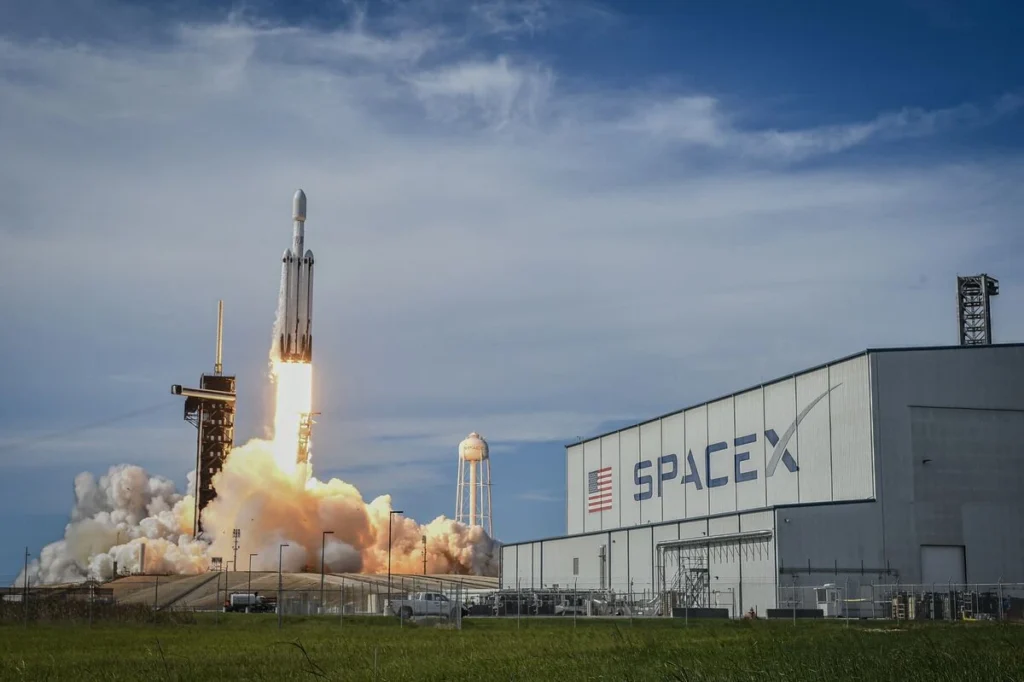
The SpaceX xAI merger represents one of the largest private corporate combinations in modern technology history, bringing together launch services, satellite networks and frontier artificial intelligence research.
For global investors, governments and regulators, the move signals that SpaceX’s future will not be limited to rockets and satellites but will increasingly hinge on data, computation and autonomous systems.
Musk announced the acquisition in a post, calling the combined entity “the most ambitious, vertically integrated innovation engine on and off Earth.”
SpaceX has not publicly disclosed transaction terms, but a source familiar with the deal said the combined company is valued at roughly $1.2 trillion.
SpaceX, founded in 2002, has grown into the world’s most active launch provider, carrying astronauts for NASA, deploying national security payloads and operating the Starlink satellite internet network.
The company was most recently valued by secondary market transactions at about $800 billion, according to people familiar with those deals.
xAI, launched by Musk in 2023, was created to compete with OpenAI, Google DeepMind and Anthropic. The company has focused on large language models and AI systems trained on vast datasets, including content from X, the social media platform Musk controls. Prior to the acquisition, xAI was valued north of $200 billion, the source said.
Musk has a history of consolidating his companies.
In 2025, he merged xAI with X, integrating AI tools directly into the social platform. That deal foreshadowed a broader strategy of combining data-rich platforms with capital intensive infrastructure.
The SpaceX xAI merger could significantly reshape SpaceX’s IPO narrative by broadening its revenue story beyond launch contracts and satellite subscriptions.
“This changes how investors would evaluate SpaceX,” said Tim Farrar, president of TMF Associates, a satellite industry research firm.
“You are no longer just buying exposure to rockets and broadband satellites but to an AI platform that could leverage unprecedented amounts of real-time data from space.”
From an AI perspective, access to SpaceX assets could be transformative. Starlink operates thousands of satellites generating telemetry, imaging and network traffic data at global scale.
“Few AI companies have direct control over data pipelines of that magnitude,” said Sarah Kreps, director of Cornell University’s Tech Policy Institute.
“Integrating AI development with space based infrastructure raises both competitive advantages and regulatory questions.”
Regulators may also take a closer look. SpaceX is a major US government contractor, while AI systems increasingly intersect with defense, surveillance and communications.
“This merger concentrates strategic capabilities that governments care deeply about,” said William Greenwalt, a former Pentagon acquisition official now at the American Enterprise Institute. “That does not mean it will be blocked, but scrutiny is inevitable.”
| Metric | SpaceX (Pre-Merger) | xAI (Pre-Merger) | Combined Entity |
|---|---|---|---|
| Estimated valuation | $800 billion | $200+ billion | ~$1.2 trillion |
| Core assets | Launch vehicles, Starlink satellites | Large language models, AI research | Integrated space and AI platform |
| Primary customers | Governments, commercial clients | Enterprises, developers | Governments, enterprises, consumers |
Musk framed the deal as mission driven rather than purely financial.
“This marks not just the next chapter, but the next book in SpaceX and xAI’s mission,” he wrote, describing a vision of scaling technology to “understand the Universe.”
Industry leaders see more practical implications.
“AI will increasingly be embedded in satellite operations, collision avoidance and autonomous navigation,” said Torsten Kriening, editor in chief of SpaceWatch Global. “Having AI developed in house could accelerate deployment in ways competitors cannot easily match.”
At the same time, some investors urge caution.
“Combining two complex organizations always carries execution risk,” said Lise Buyer, a former Google IPO adviser now with Class V Group. “The scale is enormous, and governance will matter.”
SpaceX has not announced changes to its IPO timeline, but the merger suggests any public offering would likely involve the combined entity rather than a standalone space company. That could complicate regulatory filings and valuation models but also expand the pool of potential investors.
Operationally, analysts expect tighter integration between AI systems and satellite operations, particularly for Starlink network management and future Mars missions. Any major shifts, however, will depend on regulatory approvals, internal integration and capital requirements.
The SpaceX xAI merger underscores Elon Musk’s long-standing belief that transformative technologies are best built as interconnected systems.
By combining spaceflight, satellite networks and artificial intelligence under one roof, the deal reshapes SpaceX’s identity and raises new questions about competition, regulation and the future of private megacorporations operating at planetary scale.


