
KEY POINT
- The Jaren Jackson Jr. trade establishes a high benchmark for All Star caliber players under contract.
- Milwaukee gains leverage in any potential Giannis Antetokounmpo trade discussions without making a move.
- Draft capital scarcity across the league is shaping trade negotiations ahead of the deadline.
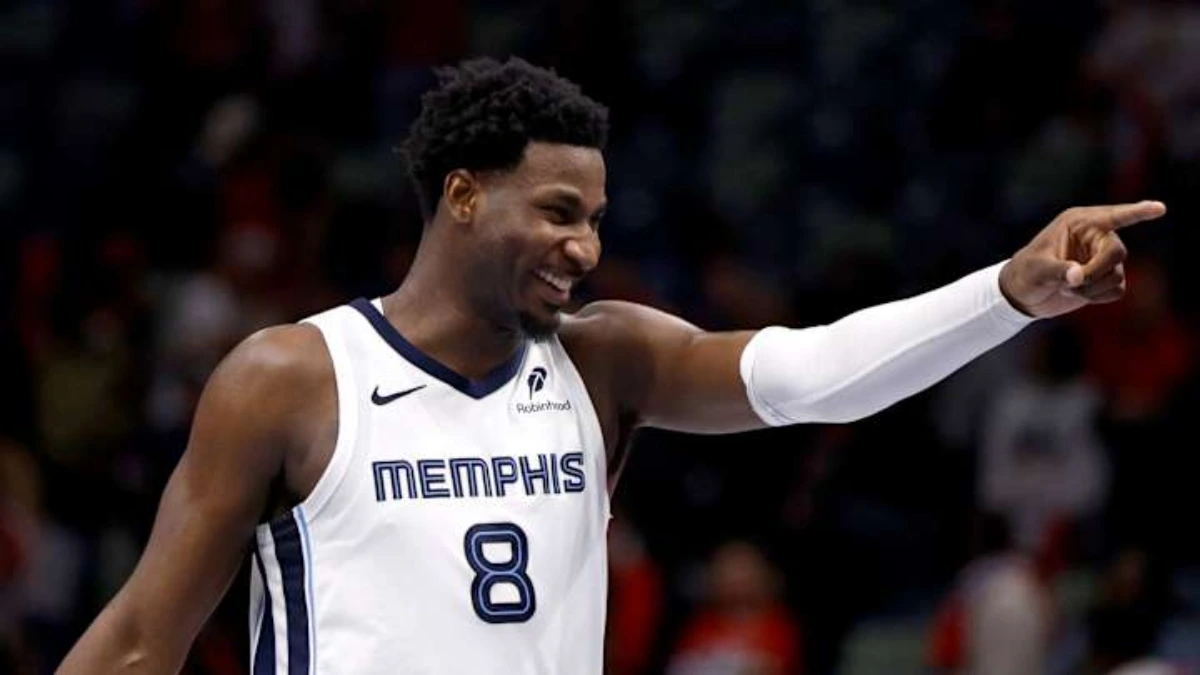
The NBA trade market shifted sharply this week after the Memphis Grizzlies agreed to send All Star forward Jaren Jackson Jr. to the Utah Jazz in exchange for multiple role players and three first round draft picks, according to league officials familiar with the deal.
The move, finalized ahead of the trade deadline, is already influencing how front offices evaluate the value of elite talent, including the future of Milwaukee Bucks star Giannis Antetokounmpo.
The agreement between Memphis and Utah represents the first major surprise of the NBA’s trade season. By committing three first-round picks to acquire Jackson, the Jazz signaled an aggressive reset toward long-term competitiveness.
Around the league, executives are now recalibrating their expectations, particularly when it comes to superstars with championship résumés and long term contracts.
For Milwaukee, which has fielded inquiries about Antetokounmpo amid roster uncertainty, the Jaren Jackson Jr. trade arrives at a pivotal moment.
Jackson, twenty-four, has been one of the league’s premier defensive forwards since entering the NBA. He is a two-time All-Star, a three time All Defensive Team selection and the 2023 Defensive Player of the Year. In seven seasons with Memphis, he averaged 19.2 points, 5.8 rebounds and 1.9 blocks per game.
The Grizzlies, facing roster reshaping decisions after recent playoff disappointments and injuries, opted to prioritize future flexibility. Utah, meanwhile, retained its most promising young players while leveraging its stockpile of draft picks, accumulated through prior trades, to secure a proven cornerstone.
According to ESPN salary cap analyst Bobby Marks, the structure of the deal reflects a league-wide trend. “Teams with surplus picks are more willing to consolidate assets for players who fit a long-term timeline,” Marks said. “Utah paid a premium because it protected its young core.”
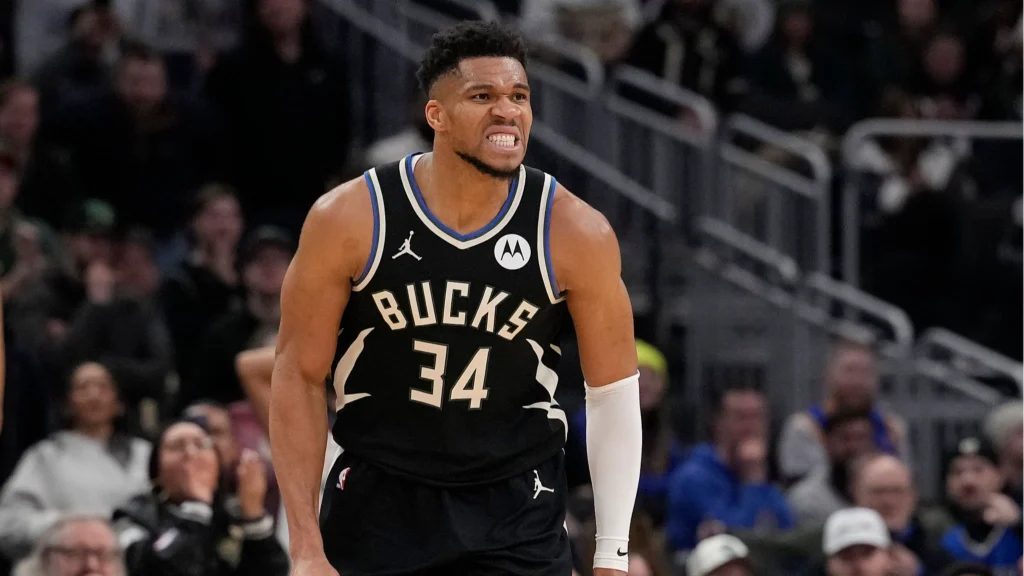
The ripple effects extend beyond Utah and Memphis. The Bucks, who have publicly stated they are not shopping Antetokounmpo, now have a tangible market comparison.
“Jaren Jackson Jr. is an elite defender and a top-tier player,” said John Hollinger, former NBA executive and senior analyst for The Athletic.
“But Giannis is a former Finals MVP and one of the top players of his generation. If Jackson commands three first-rounders, the conversation for Giannis starts much higher.”
Antetokounmpo, a two time league MVP and NBA champion, remains under contract through the 2027 28 season. Milwaukee’s front office has consistently indicated it will only consider offers that fundamentally reshape the franchise.
Sam Amick of The Athletic reported earlier this week that teams have presented offers to Milwaukee that were viewed internally as insufficient. The Jaren Jackson Jr. trade provides additional leverage for the Bucks to dismiss such proposals.
Justin Zanik, CEO of the Utah Jazz, said the franchise viewed the move as foundational. “We believe Jaren fits our competitive timeline and our defensive identity,” Zanik said during a media availability.
From Milwaukee’s perspective, team sources emphasized patience.
“There is no urgency to move a player of Giannis’ caliber,” one Bucks executive said on condition of anonymity because of the sensitivity of trade talks. “Deals have to reflect reality.”
NBA economist Andrew Zimbalist, a professor at Smith College, said the transaction underscores a broader market correction.
“Draft picks have become the primary currency,” Zimbalist said. “But scarcity increases value. Teams without picks will struggle to compete in superstar negotiations.”
With the trade deadline approaching, several franchises are expected to reassess their strategies. Teams lacking draft capital may wait until the offseason, when new picks become available and sign-and-trade options expand. Milwaukee, by contrast, can afford to hold its position, backed by a precedent setting deal elsewhere in the league.
League executives anticipate that the Jaren Jackson Jr. trade will be cited repeatedly in negotiations over the coming months, not only involving Antetokounmpo but other high end players.
The Jaren Jackson Jr. trade has done more than alter the trajectory of the Jazz and Grizzlies. It has recalibrated the NBA’s trade market at a critical juncture.
For the Bucks, the deal reinforces a clear message: elite talent commands elite returns. As the league moves closer to the deadline, that reality is now firmly established.
Who did Jaren Jackson Jr. get traded to?
Jaren Jackson Jr. was traded from the Memphis Grizzlies to the Utah Jazz.
What did the Jazz give up for Jaren Jackson Jr.?
Utah Jazz sent role players and three first-round draft picks in the trade.
How does the Jaren Jackson Jr. trade affect Giannis Antetokounmpo rumors?
The trade raises the market value for elite players, strengthening the Bucks’ position in any Giannis discussions.


