
KEY POINT
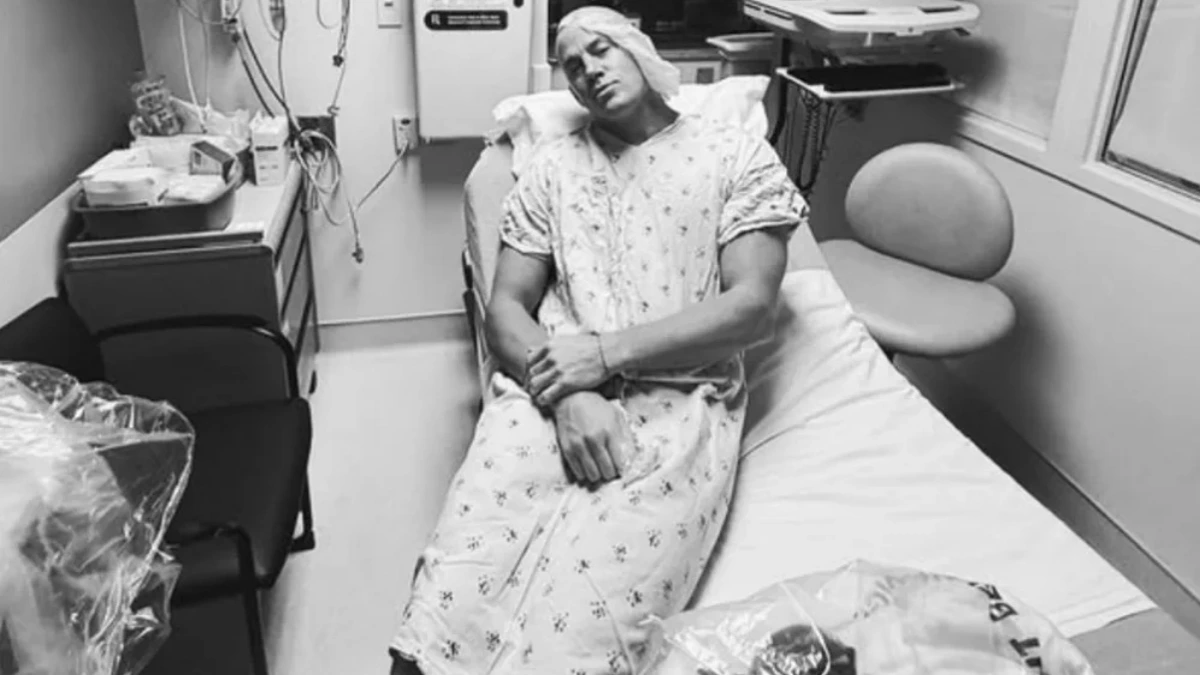
- Channing Tatum confirmed he had surgery after suffering a separated shoulder and described the recovery as difficult.
- The injury follows months of reduced activity that Tatum previously acknowledged in a 2025 interview.
- High profile action productions such as Avengers: Doomsday again highlight the physical demands placed on aging performers.
LOS ANGELES — Actor Channing Tatum has undergone surgery to repair a separated shoulder, an injury he disclosed this week through social media posts from a hospital bed, marking another physical setback for the 45 year old star as he balances recovery with commitments to major film projects, including the upcoming Marvel release Avengers: Doomsday.
Tatum shared images of his injured shoulder and post surgical X rays on Instagram, along with a photograph showing him in a hospital gown. In a brief caption, he described the procedure as “another challenge” and signaled a determined approach to rehabilitation.
While the actor did not specify when or how the injury occurred, the surgery adds new attention to the physical toll of blockbuster filmmaking and the increasingly open way performers discuss health and recovery.
A separated shoulder occurs when ligaments connecting the collarbone to the shoulder blade are damaged, often requiring surgery when the injury is severe.
Tatum did not disclose the grade of separation or the precise surgical technique used, but orthopedic specialists note that recovery can take several months, particularly for patients returning to physically demanding work.
In an interview with Variety published in September 2025, Tatum acknowledged he was facing an extended period of limited mobility after an injury, saying he had to confront the reality of months long rehabilitation. At the time, he also reflected on aging in an industry that frequently expects extreme physical performance.
The actor is slated to reprise his role as Gambit in Avengers: Doomsday, part of Marvel Studios’ next phase of interconnected films.
Marvel has not publicly commented on whether Tatum’s surgery will affect production schedules. Injuries during large scale action films are not uncommon, and cast members often continue working with modified stunt coordination or temporary stand ins.
Dr. Michael Kelly, an orthopedic surgeon specializing in shoulder injuries at the University of Pennsylvania Health System, said separated shoulders that require surgery are typically associated with high impact trauma. “For actors performing stunts or intense physical training, the shoulder joint is particularly vulnerable,” Kelly said.
“Even after surgical repair, regaining full strength and range of motion can take six months or longer.”
Film industry analysts note that studios increasingly plan for such contingencies.
“Major productions now build flexibility into schedules and insurance policies because injuries are an occupational reality,” said Kathryn Arnold, a film production risk consultant based in Los Angeles.
“The difference today is that stars are more transparent about what they’re dealing with, which shapes public expectations.”
The discussion around Tatum’s recovery also intersects with broader conversations about longevity in Hollywood.
As franchises rely on established stars to anchor multiyear storylines, performers in their forties and fifties are taking on roles once dominated by younger actors, often with the same physical intensity.
Tatum’s candid update resonated with fans and industry peers. “Public acknowledgment from high profile actors helps normalize injury recovery and the limits of the human body,” said Dr. Susan Martinez, a sports medicine physician who works with performers and athletes in California. “It can also reduce pressure to rush back before healing is complete.”
Alan Cumming, who is also appearing in Avengers: Doomsday as Nightcrawler, recently highlighted the physical risks on set during an appearance on Jimmy Kimmel Live!. Cumming said he accidentally injured co star Pedro Pascal during filming, underscoring how easily accidents can occur even with safety protocols in place.
Tatum has not announced a return-to-work date, and no official production changes have been confirmed. Industry practice suggests that studios will assess his recovery progress before assigning physically demanding scenes.
Medical professionals generally advise a cautious approach to prevent reinjury, particularly for patients returning to stunt heavy roles.
As Tatum begins rehabilitation, his experience reflects a broader shift in Hollywood toward greater transparency about health, aging and sustainability in performancedriven careers.
Channing Tatum’s shoulder surgery places renewed focus on the physical demands of modern blockbuster filmmaking and the realities faced by actors sustaining long term careers in action heavy roles.
While the full impact on his upcoming projects remains unclear, the episode adds to an ongoing conversation about safety, recovery and resilience in the global entertainment industry.


