
KEY POINT
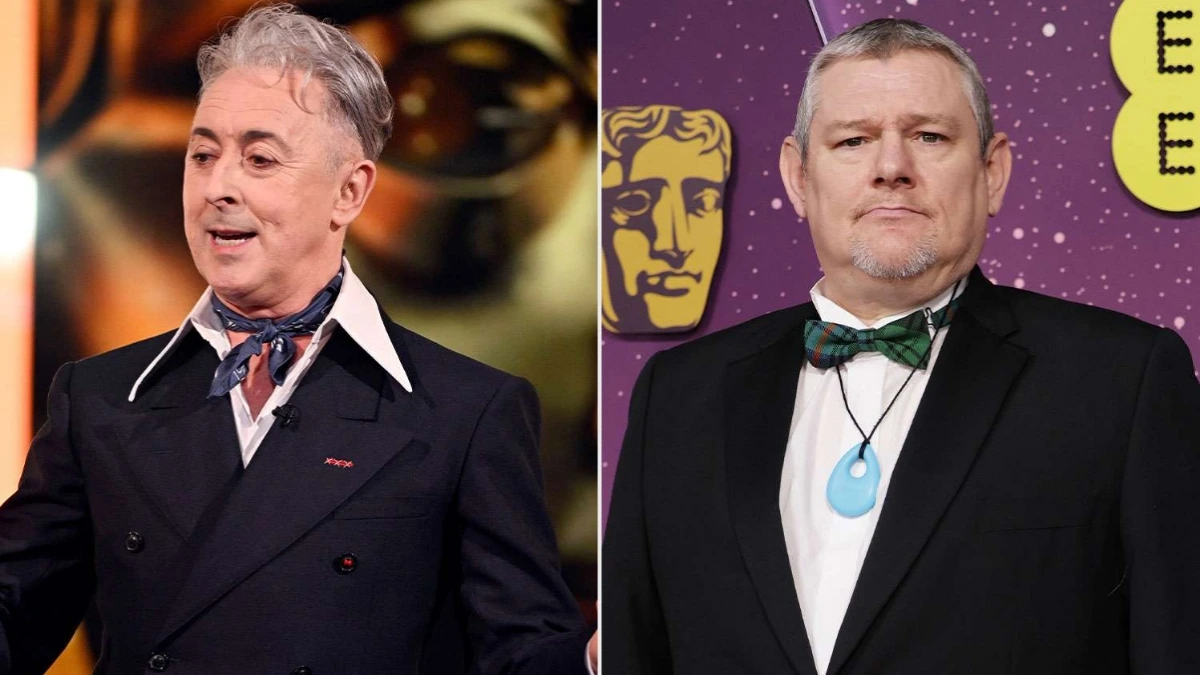
- Alan Cumming addressed Tourette syndrome outbursts twice during the BAFTA Awards ceremony, thanking viewers for their understanding and later apologizing for any offense.
- John Davidson, a Tourette syndrome advocate, attended the event to represent a BAFTA nominated film based on his life.
- The incident has prompted renewed discussion about live broadcasts, disability awareness and inclusive event planning at major awards shows.
LONDON — Host Alan Cumming asked for the audience’s understanding and later apologized during the 2026 BAFTA Awards after Tourette syndrome advocate John Davidson shouted expletives and a racial slur during the ceremony on Sunday, Feb. 22.
Davidson, 54, who lives with Tourette syndrome, was attending the London ceremony to represent the BAFTA nominated film I Swear, which is based on his life and experiences with the neurological condition.
His verbal outbursts occurred during multiple moments of the live broadcast, including while BAFTA chair Sara Putt was speaking and as presenters Michael B. Jordan and Delroy Lindo introduced an award.
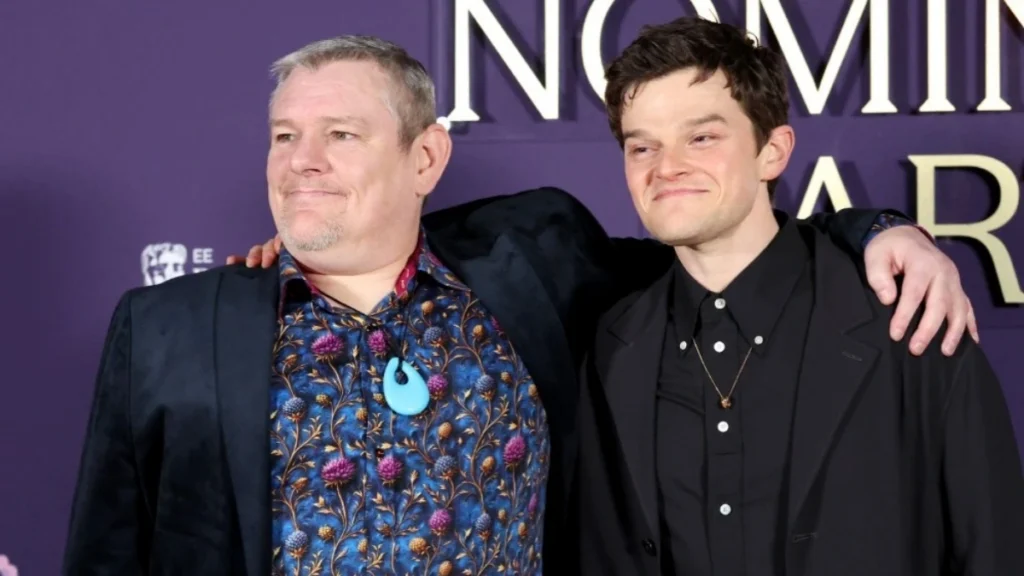
The BAFTA Awards ceremony, one of the most prominent events in the international film calendar, was briefly interrupted by several involuntary verbal outbursts from Davidson, whose condition can cause sudden vocal and physical tics. Organizers had warned attendees before the program that Davidson might exhibit “involuntary noises or movements.”
Cumming, 61, returned to the stage following the first incidents and told the audience that the film Davidson represented explores how Tourette syndrome can manifest, including through sudden strong language.
He later apologized to anyone who may have been offended, emphasizing that Tourette syndrome is a disability and that the tics are involuntary.
Tourette syndrome is a neurological disorder characterized by repetitive movements and vocalizations known as tics. According to Britain’s National Health Service, symptoms typically begin in childhood and can fluctuate in severity over time.
Coprolalia, the involuntary utterance of socially inappropriate words or phrases, affects a minority of people with the condition.
Davidson has spoken publicly about first experiencing symptoms at age 12. I Swear, the film he was representing at the BAFTA Awards, portrays his personal experiences navigating school, work and public life with the condition.
The BAFTA Awards, presented annually by the British Academy of Film and Television Arts, are broadcast live to audiences in the United Kingdom and internationally.
Live events present unique challenges when unexpected disruptions occur, particularly when those disruptions involve protected characteristics such as disability.
Dr. Helen Matthews, a consultant neurologist at King’s College London who specializes in tic disorders, said Tourette syndrome can vary significantly from person to person.
“While many individuals experience mild motor tics, a smaller proportion may have complex vocal tics that include involuntary swearing,” Matthews said. “These utterances are not reflective of the person’s beliefs or intentions. They are neurological in origin.”
Tom Harrington, director of policy at the UK based Tourette’s Action charity, said public incidents during high profile events can be both challenging and educational.
“When viewers witness Tourette syndrome in real time, it can prompt misunderstanding if context is not provided,” Harrington said.
“Clear communication from event organizers helps balance respect for audiences with dignity for the individual involved.”
Harrington added that inclusive planning for live broadcasts often includes advance audience briefings and coordination with production teams to reduce stigma while maintaining broadcast standards.
Several attendees at the London ceremony said the stage manager’s advance notice provided context for Davidson’s presence.
Rachel Singh, a film producer who attended the event, said the explanation helped clarify the situation.
“Once the host addressed it, it became clear that this was part of the condition being represented by the film,” Singh said.
Media ethics lecturer Professor Daniel Rees of City, University of London, said live events must navigate competing considerations.
“Broadcasters have obligations regarding harmful language, but they also operate within disability discrimination frameworks,” Rees said. “Transparent communication can mitigate harm without marginalizing individuals with medical conditions.”
A BAFTA spokesperson did not immediately indicate whether the organization would review its live event protocols but said in a statement that the academy “remains committed to accessibility and respectful inclusion across all its events.”
The BAFTA Awards incident may contribute to broader discussions about how international award ceremonies handle live disruptions linked to medical conditions.
Organizers of major events have increasingly incorporated accessibility briefings, trigger warnings and diversity policies into production planning.
Advocacy groups say visibility in mainstream cultural spaces can advance understanding of Tourette syndrome, though they emphasize the importance of education to prevent stigma.
The 2026 BAFTA Awards moment underscored the complexities of live broadcasting in an era of heightened awareness around disability rights and inclusion.
As host Alan Cumming acknowledged during the ceremony, Tourette syndrome can manifest in ways that challenge audiences.
The response from organizers and experts highlights the continuing effort to balance respectful inclusion with public sensitivities at globally televised events.


