
KEY POINT
- Brendan Banfield was found guilty of aggravated murder in Fairfax County Circuit Court, a conviction that carries a mandatory life sentence under Virginia law.
- Prosecutors said the killings stemmed from a months-long plan involving the family’s au pair and the use of fake online accounts to lure a victim to the home.
- The case has drawn national attention for its intersection of digital deception, domestic violence and the legal treatment of aggravating factors in homicide trials.
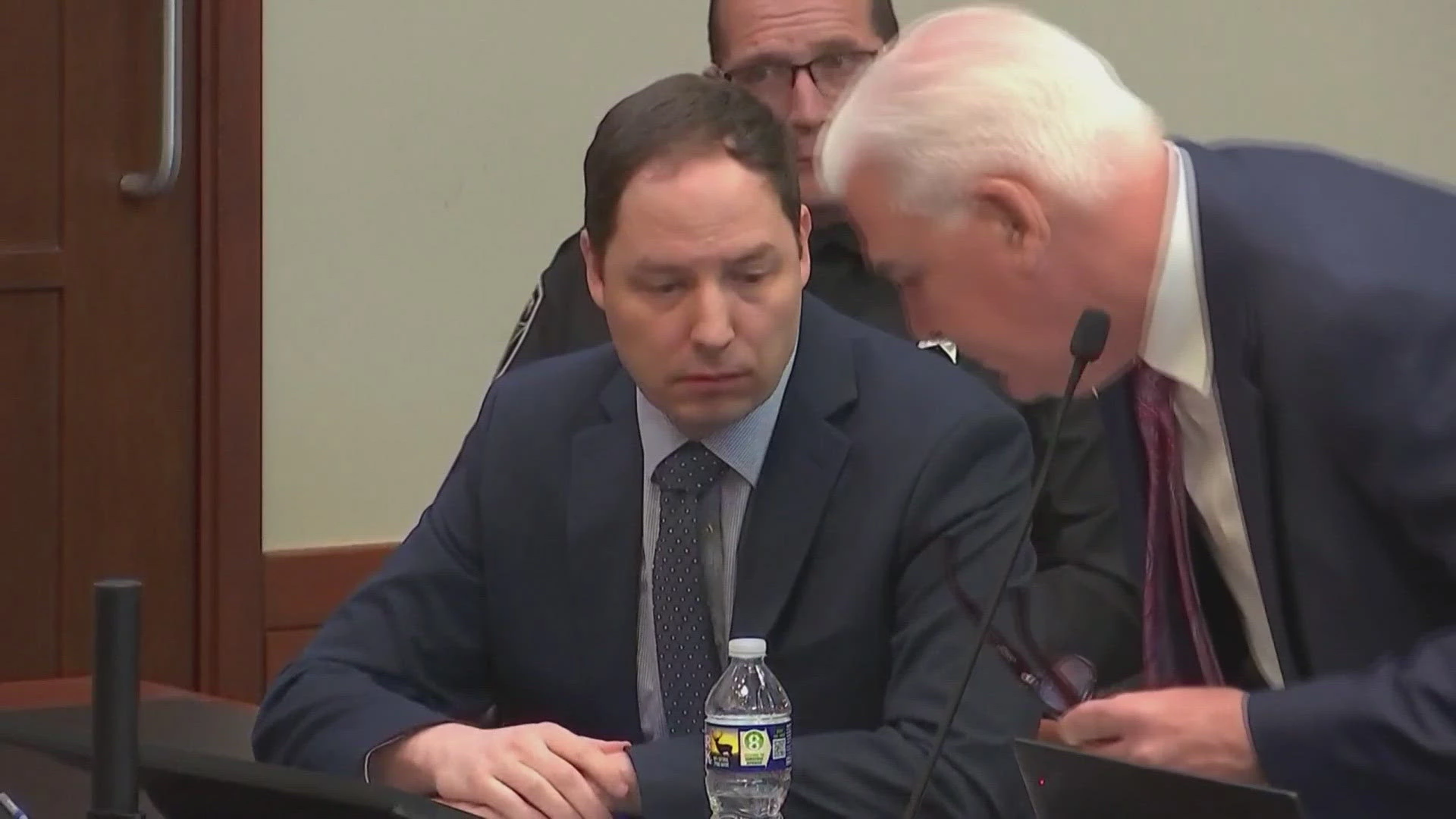
A Virginia jury on Monday convicted Brendan Banfield of aggravated murder in the killings of his wife and another man, concluding a nearly three year investigation into a case prosecutors said was driven by an extramarital affair and an elaborate plot to stage a fatal encounter inside the family’s home.
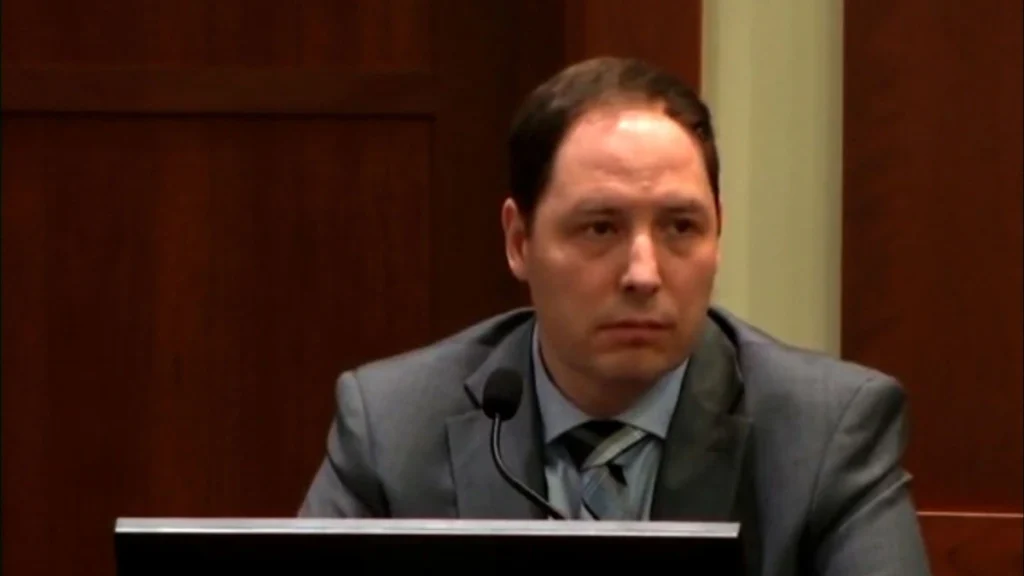
The verdict, delivered after hours of jury deliberations spread across two days, marks the legal climax of a case that has gripped the Washington metropolitan region and attracted broader scrutiny because of its unusual facts.
Banfield, a former federal agent, was accused of orchestrating the deaths of his wife, Christine Banfield, and Joseph Ryan, a man prosecutors said was manipulated into coming to the couple’s Fairfax County residence through online messages.
According to court records and testimony, Christine Banfield was killed inside her home in February 2023. Joseph Ryan was shot and killed at the same location.
Prosecutors argued that Brendan Banfield had been carrying on a relationship with the family’s au pair, Juliana Peres Magalhães, and sought to remove his wife so the relationship could continue.
At trial, Peres Magalhães testified that she and Banfield created fake online accounts that posed as Christine Banfield on a fetish website.
The accounts were used to contact Ryan and lure him to the home under the pretense of a consensual but violent sexual encounter. Prosecutors said Banfield later stabbed his wife and shot Ryan, then manipulated the scene to make Ryan’s death appear to be an act of self defense.
Defense attorneys challenged the credibility of the au pair and argued that Banfield acted in response to a chaotic and dangerous situation inside the home.
Jurors ultimately rejected that account, finding Banfield guilty of aggravated murder, the most serious homicide charge available under Virginia law.
The trial began Jan. 12 and featured testimony from about 20 prosecution witnesses over four days, followed by a brief rebuttal case. The jury received the case Friday and returned its verdict Monday.
Legal analysts say the conviction underscores how aggravating factors, such as premeditation and the killing of multiple victims, can elevate a murder case to its most severe category.
“Aggravated murder in Virginia is intentionally narrow and reserved for cases involving extreme circumstances,” said Richard J. Bonnie, a professor of law and psychiatry at the University of Virginia.
“When juries apply it, they are making a finding not just about guilt but about the degree of planning and moral culpability involved.”
Former prosecutors also pointed to the role of digital evidence. “The use of fake online identities and electronic communications was central to the state’s theory,” said Kimberly M. Foxx, a former state’s attorney and visiting fellow at the Brookings Institution.
“This case reflects how modern homicide prosecutions increasingly hinge on digital footprints that can corroborate or undermine witness testimony.”
Fairfax County Commonwealth’s Attorney Steve Descano said in a statement after the verdict that the jury’s decision reflected the strength of the evidence. “The verdict holds the defendant accountable for a calculated and devastating crime that took two lives and shattered a family,” Descano said.
Defense attorney Eric C. Gorman said Banfield intends to appeal. “We respect the jury process but believe significant legal issues remain,” Gorman said outside the courthouse.
Victim advocates noted the broader implications for cases involving intimate partners and hidden relationships. “This case highlights how coercion and secrecy can escalate into lethal violence,” said Tracy M. Coenen, a forensic accountant and author who studies complex criminal behavior. “It also shows the importance of thorough investigations when initial narratives do not align with the evidence.”
Banfield is expected to be formally sentenced at a later hearing. Under Virginia law, aggravated murder carries a mandatory life term, leaving the sentencing judge with limited discretion.
Appeals are likely, a process that could take years and focus on evidentiary rulings and jury instructions rather than the underlying facts.
Meanwhile, the case is expected to be cited in legal discussions about online impersonation, the evidentiary weight of cooperating witnesses and the boundaries of self defense claims when planning and deception are alleged.
The conviction of Brendan Banfield closes one chapter in a complex and tragic case but leaves lasting questions about how digital behavior, personal relationships and criminal intent intersect in modern homicide prosecutions.
For prosecutors, defense attorneys and policymakers, the trial offers a stark example of how traditional criminal law is increasingly tested by contemporary forms of communication and concealment.


