
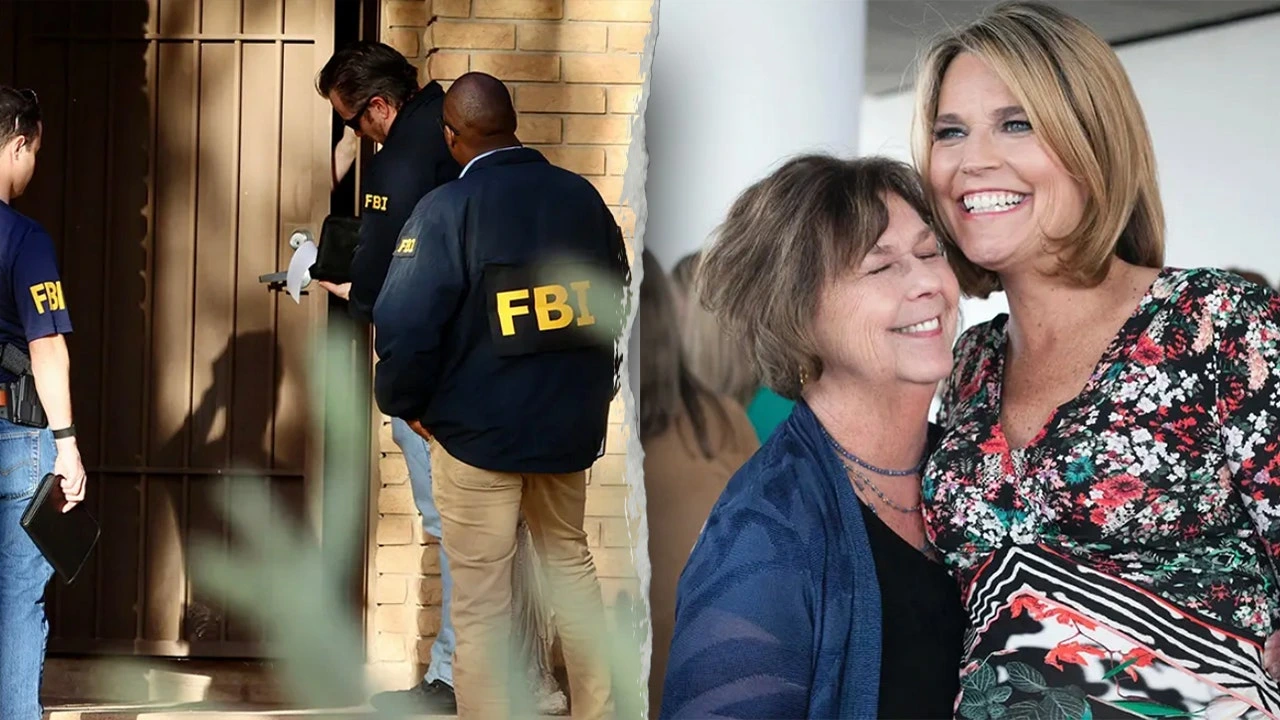
KEY POINT
- DNA in the Nancy Guthrie case produced no match in the FBI’s CODIS database.
- Investigators are shifting toward investigative genetic genealogy and expanded forensic analysis.
- Nearly 40,000 public tips and a $100,000 reward underscore the urgency of the search.
TUCSON, Arizona — DNA recovered in the abduction of 84 year old Nancy Guthrie has produced no matches in the FBI’s national database, authorities said, as investigators continue pursuing forensic genealogy and reviewing tens of thousands of tips in the third week of the search.
Pima County Sheriff Chris Nanos said preliminary testing on DNA found inside Guthrie’s home and on gloves discovered roughly two miles away yielded no matches in the Combined DNA Index System, or CODIS. Despite the setback, Nanos stressed that the absence of a database hit does not diminish the value of the evidence.
The lack of a CODIS match in the DNA in Nancy Guthrie case marks a critical juncture in an investigation that has drawn national attention. Guthrie was abducted from her Tucson home on Feb. 1, according to the Pima County Sheriff’s Department.
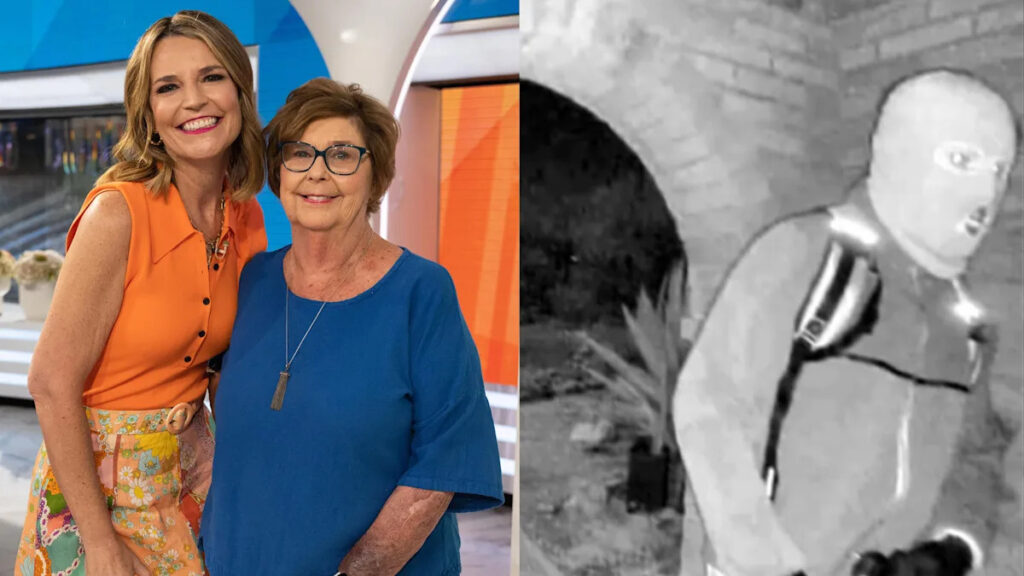
Blood confirmed to be hers was found on her porch, and surveillance footage captured a masked individual outside the residence that morning.
Authorities say the gloves recovered miles from the home resemble those worn by the individual seen on camera. Testing identified an unknown male DNA profile, but it did not match any existing entry in the FBI database.
CODIS, managed by the FBI, contains DNA profiles from convicted offenders, arrestees in some jurisdictions and forensic evidence collected from crime scenes.
When evidence fails to generate a match, investigators often turn to investigative genetic genealogy, a method that compares crime scene DNA with publicly accessible genealogy databases to identify potential relatives of an unknown suspect.
The technique has gained prominence in recent years, including in cold cases that remained unsolved for decades. However, its use involves complex legal and privacy considerations and requires specialized forensic analysis.
Sheriff Nanos said additional DNA samples collected inside Guthrie’s residence are undergoing separation and evaluation to determine whether they may belong to a suspect. He declined to specify where inside the home the material was found.
The sheriff also cleared Guthrie’s family members of suspicion, stating that siblings and spouses have fully cooperated and should be considered victims.
David Kaye, a law professor at Pennsylvania State University who studies forensic science and DNA evidence, said the absence of a CODIS match is not unusual.
“Many offenders are not in CODIS,” Kaye said. “If a suspect has never been arrested or required to submit DNA, there will be no database hit. That does not mean the DNA lacks investigative value.”
Kaye added that investigative genetic genealogy can be effective but requires careful laboratory validation and genealogical research to avoid false leads.
Sarah Kerrigan, a forensic toxicologist and director of forensic science at Sam Houston State University, said DNA recovered from inside a residence often carries greater evidentiary weight than items discarded outdoors.
“Environmental exposure can degrade or contaminate samples found outside,” Kerrigan said. “DNA collected within a controlled indoor environment may provide clearer results, assuming proper collection and chain of custody.”
Authorities have emphasized that analysts must separate mixed DNA profiles before comparison through CODIS or genealogy databases. That process can take weeks, particularly when multiple contributors are present.
Phillip Martin, co owner of Armor Bearer Arms in Tucson, said an FBI agent recently visited his store seeking information about nearly two dozen individuals listed with names and photographs.
“The agent asked if any of them had purchased a firearm here within the last year,” Martin said. After reviewing electronic records, he found no matches.
Martin said he agreed to assist because of the urgency of the case. “You think about the family. If there’s anything you can do to help, you do it,” he said.
Sheriff Nanos acknowledged the strain on Guthrie’s relatives, who continue to make public appeals for her safe return. “To suggest otherwise is not only wrong, it is cruel,” Nanos said of online speculation targeting the family.
Authorities have confirmed that Guthrie requires regular medication and is in poor physical health, heightening concerns about her safety.
Investigators said the next phase in the DNA in Nancy Guthrie case will focus on forensic genealogy comparisons and further laboratory testing of samples obtained inside the home. Officials are also prioritizing credible leads from the nearly 40,000 tips submitted by the public.
Law enforcement agencies, including the FBI, remain involved in what officials describe as an active and ongoing investigation.
Detectives continue canvassing areas surrounding Guthrie’s neighborhood and reviewing surveillance footage from nearby residences and businesses.
While the absence of a CODIS match narrows one avenue of inquiry, authorities maintain that DNA evidence remains central to resolving the DNA in Nancy Guthrie case.
With forensic genealogy underway, public tips mounting and a $100,000 reward in place, investigators say the search for answers continues with urgency and coordination across agencies.


