
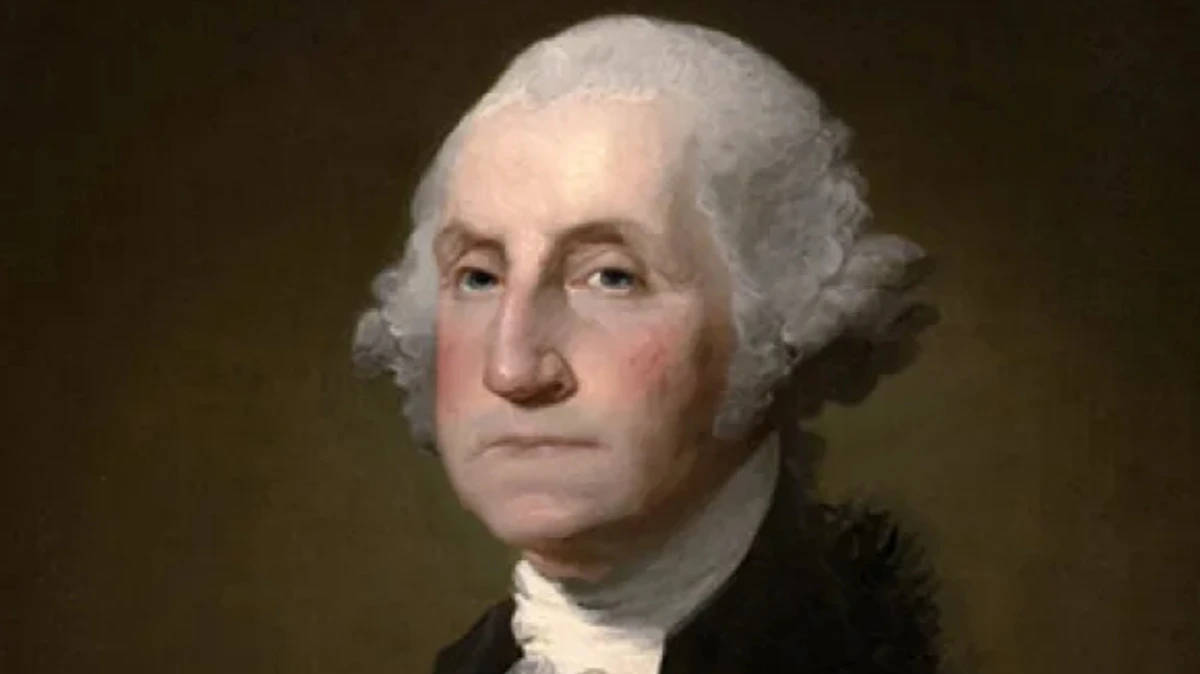
KEY POINT
- George Washington voluntarily relinquished military and presidential power, establishing norms of self restraint and civic responsibility.
- His decisions reinforced the principle that the presidency is a temporary stewardship under law.
- Washington’s actions set early examples of leadership that prioritized national interest over personal ambition.
WASHINGTON — George Washington’s decisions to relinquish power at key moments in American history established foundational norms for the presidency and reinforced the principle that public office is temporary and accountable to law, according to historians and constitutional scholars.
Washington’s resignation as commander of the Continental Army in 1783 and his decision to step down after two presidential terms created precedents that influenced the development of the United States government and the expectations for executive leadership.
Washington’s choices during and after the Revolutionary War were crucial in defining the role of the executive branch. By relinquishing authority when he could have maintained it indefinitely, he reinforced the principle that no individual is above the law, setting a precedent for future American leaders.
After leading the Continental Army to victory, Washington resigned his commission to the Congress of the Confederation on Dec. 23, 1783, emphasizing civilian control of the military.
He later served two presidential terms and declined further service, establishing the early norm that executive power should be limited and temporary. (en.wikipedia.org�)
Washington’s actions were influenced by classical models of civic virtue, such as the Roman statesman Cincinnatus, who returned to private life after serving the republic. This approach emphasized service to the nation rather than personal aggrandizement. (en.wikipedia.org�)
“Washington’s willingness to step away from power was foundational for the American republic,” said Pamela Brandt, senior fellow at the American Constitutional Institute. “It showed that the presidency is a public trust, not a personal fiefdom.”
Amanda Larson, associate professor of constitutional law at Georgetown University, noted that Washington’s self restraint set a standard that helped establish the balance between legal limits and political norms.
“His choices have influenced every generation of leaders in interpreting executive responsibility,” she said.
Timeline of Washington’s Key Decisions
| Year | Event | Significance |
|---|---|---|
| 1783 | Resigned military commission | Reinforced civilian control of the military. |
| 1789 | Became first US president | Defined role of the executive branch. |
| 1797 | Completed second term | Established norm of limited presidential tenure. |
At Mount Vernon, historian Thomas Greene described Washington’s voluntary relinquishment of power as “essential in shaping the democratic principles of the new nation.”
“This was a deliberate act to show that leadership is service,” Greene said. “Washington’s choices set a standard for accountability that continues to resonate in American governance.”
Sarah Keller, professor of constitutional law, added, “The norms Washington established are as important as the laws he helped implement. They provide guidance on how the presidency should function within a system of checks and balances.”
Washington’s actions continue to serve as a model for civic responsibility and constitutional adherence. Scholars emphasize that maintaining these norms requires continual public engagement and respect for institutional precedent.
George Washington’s decisions to relinquish military command and limit his presidency reinforced the principles of temporary public service, accountability, and civic virtue.
His legacy remains central to understanding the early republic and the enduring expectations for executive leadership.


