
KEY POINT
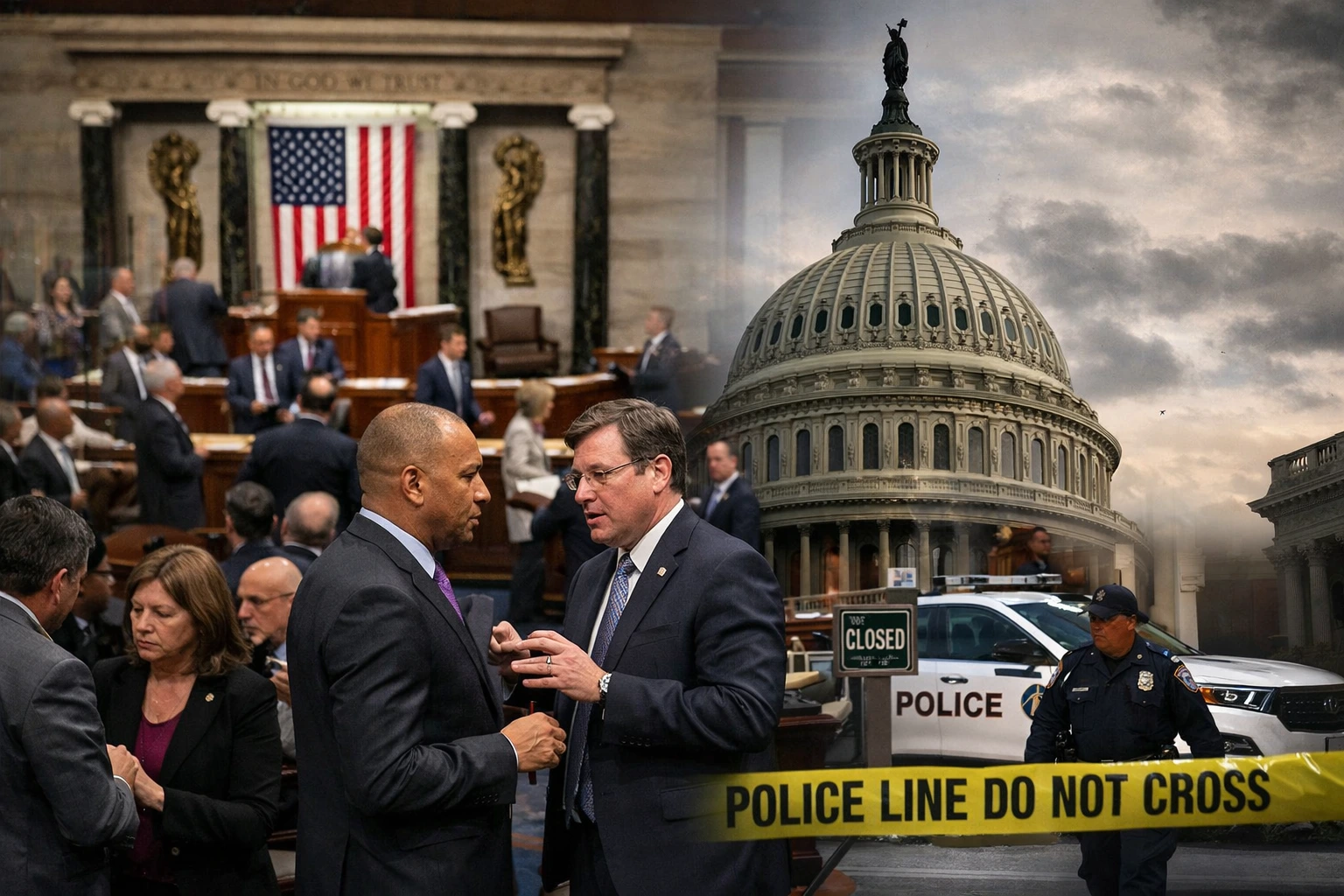
- A partial government shutdown began Saturday, affecting multiple federal agencies and programs.
- The Senate passed a five bill funding package Friday, but House approval is required to reopen the government.
- House Speaker Mike Johnson said he expects funding to resume by Tuesday, though internal GOP opposition and procedural hurdles remain.
WASHINGTON — A partial US government shutdown began Saturday after federal funding lapsed for major agencies including the Departments of Defense, Homeland Security, State, Treasury, Labor, Health and Human Services, Education, and Transportation.
Lawmakers in the House of Representatives returned Monday, seeking to avert a prolonged funding lapse that could disrupt federal operations and public services nationwide.
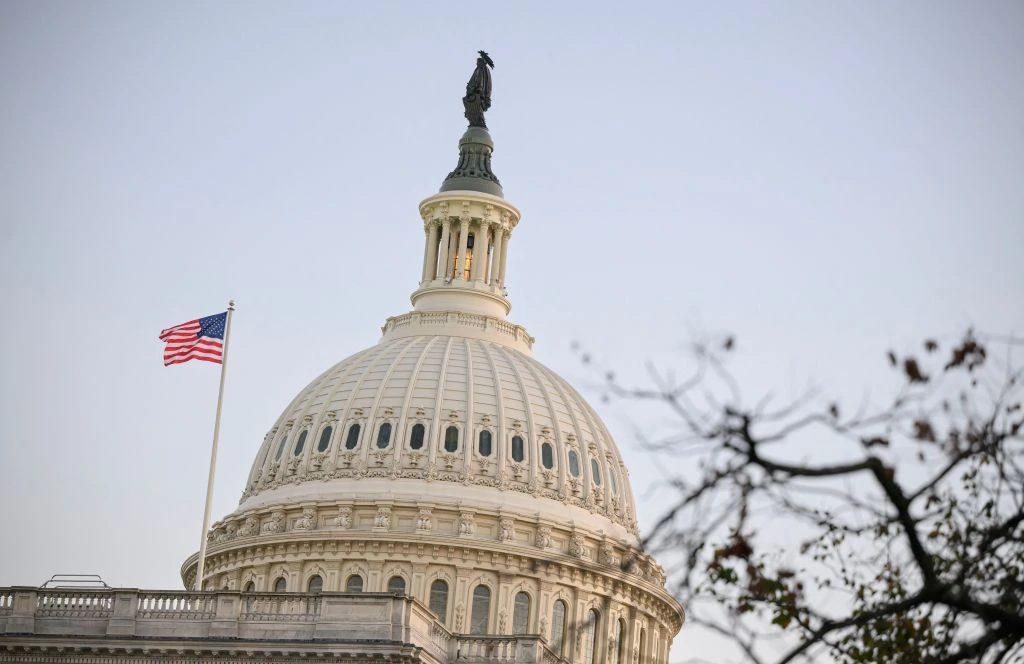
The shutdown, which came after funding for several federal departments expired at midnight Friday, marks the latest episode of congressional gridlock over federal spending.
While short term measures could restore government operations quickly, disagreements within the Republican majority and procedural requirements in the House pose potential obstacles.
House Speaker Mike Johnson, a Louisiana Republican, emphasized the urgency of passing the funding package, stating in interviews on Sunday that Republicans intend to “do the responsible thing and fund the government.”
Johnson added that the House could restart operations as early as Tuesday despite challenges with member attendance and internal opposition.
The partial shutdown follows the Senate’s passage of a five bill funding package Friday, covering most federal agencies through September.
The measure also includes a short term extension for the Department of Homeland Security, amid scrutiny over immigration enforcement policies. The House now faces the task of approving the legislation under a compressed timeline.
The United States has experienced extended shutdowns in recent years, including a 43 day lapse in federal funding last fall, which affected hundreds of thousands of federal employees and disrupted government services nationwide.
Lawmakers have expressed concern about repeating such disruptions, citing both political and economic costs.Political analysts say the current shutdown illustrates the fragility of the House Republican majority, which holds only a slim margin and faces internal dissent.
“Even a single dissenting vote can derail funding measures in a closely divided House,” said Sarah Binder, a senior fellow at the Brookings Institution and expert on congressional politics. “Speaker Johnson must navigate both party priorities and procedural requirements to avoid a repeat of last year’s extended shutdown.”
Economic implications are also significant. Government shutdowns can delay federal contracts, suspend social services, and affect financial markets.
“While a short term shutdown may seem manageable, even brief lapses ripple through government operations and the broader economy,” said Robert Litan, senior fellow at the Kauffman Foundation.
House Republicans face internal challenges, including objections from conservative members such as Rep. Chip Roy of Texas and Rep. Anna Paulina Luna of Florida.
Roy has indicated conditions for DHS funding, while Luna has linked her support to legislation requiring in person proof of citizenship for federal voter registration. Any changes to the package could require returning it to the Senate, potentially prolonging the shutdown.
House Speaker Mike Johnson said Sunday on Meet the Press, “We have a logistical challenge of getting everyone in town. And because of the conversation I had with Hakeem Jeffries, I know that we’ve got to pass a rule and probably do this mostly on our own.”
Rep. Hakeem Jeffries, House Democratic leader, stated that Democrats would not assist in fast tracking the measure, noting, “While we want to avoid disruption, we will not expedite legislation that lacks bipartisan input.”
Rep. Anna Paulina Luna said, “I cannot support this bill unless voter verification measures are included. We have to protect the integrity of our elections.”
The House will first send the funding package to the Rules Committee, which requires a simple majority for the measure to reach the floor.
If approved, the House must maintain near total Republican unity for final passage, as losing more than two votes could jeopardize the bill. Attendance concerns and procedural challenges may extend deliberations.
Observers note that a short term shutdown is likely to last only a few days if the House can reconcile internal differences and advance the funding package without amendments that require Senate approval.
As the partial government shutdown begins, the pace of House deliberations and internal party negotiations will determine whether federal operations resume swiftly.
While congressional leaders emphasize urgency, the slim GOP majority and conservative dissent underscore the ongoing fragility of US federal funding processes. Short term disruptions may be mitigated, but the episode highlights systemic challenges in bipartisan governance and fiscal planning.
- What is a government shutdown?
A government shutdown happens when Congress fails to pass funding bills, temporarily closing or limiting federal agencies. - Which agencies are affected by the U.S. government shutdown?
Key agencies affected include Defense, Homeland Security, Treasury, Health and Human Services, and Education. - When will the government reopen after the shutdown?
The House aims to approve the funding package by Tuesday, which could end the partial shutdown.


