
KEY POINT
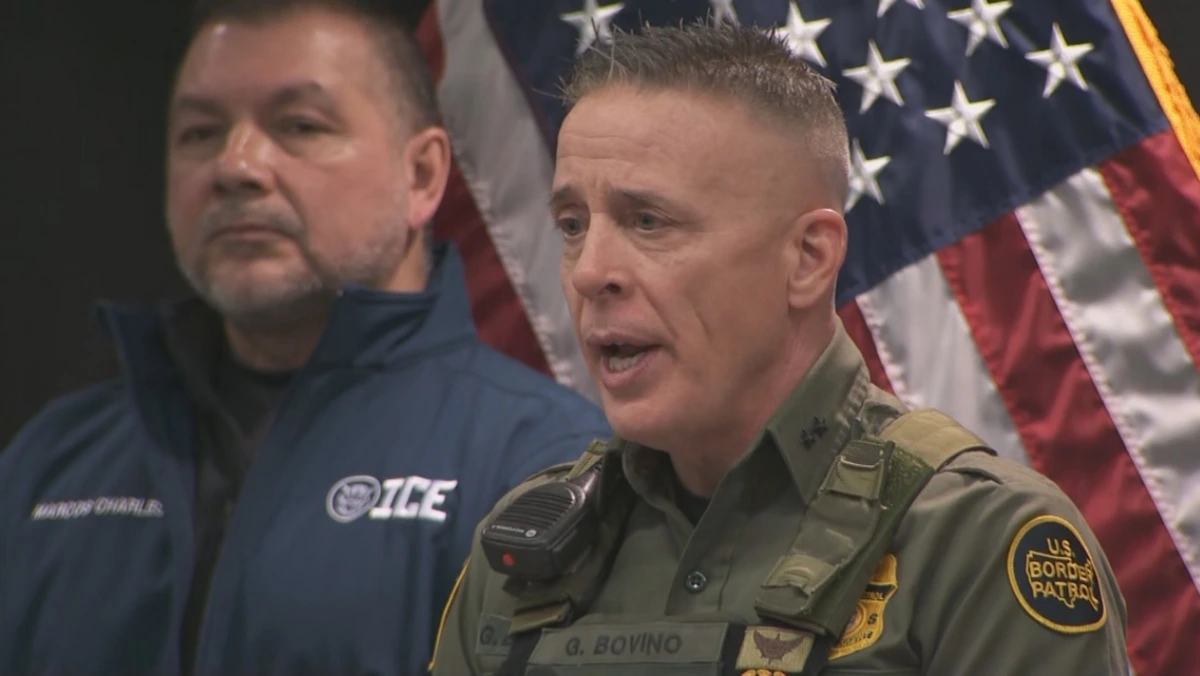
- Gregory Bovino, the Border Patrol official leading immigration enforcement in Minneapolis, is expected to be reassigned from Minnesota.
- The move follows Bovino’s unsubstantiated claim that a man killed by federal agents was planning to attack law enforcement.
- Minneapolis Mayor Jacob Frey said some federal agents are expected to leave the city after a call with President Trump, signaling a shift in federal posture.
A senior Border Patrol official who led the Trump administration’s immigration enforcement crackdown in Minneapolis is expected to be reassigned from Minnesota following days of political fallout over his public claims about a fatal federal shooting, according to two US officials familiar with the decision.
Gregory Bovino, who oversaw on the ground Border Patrol operations in the city, is anticipated to leave his post as some federal agents also prepare to scale back their presence beginning Tuesday.
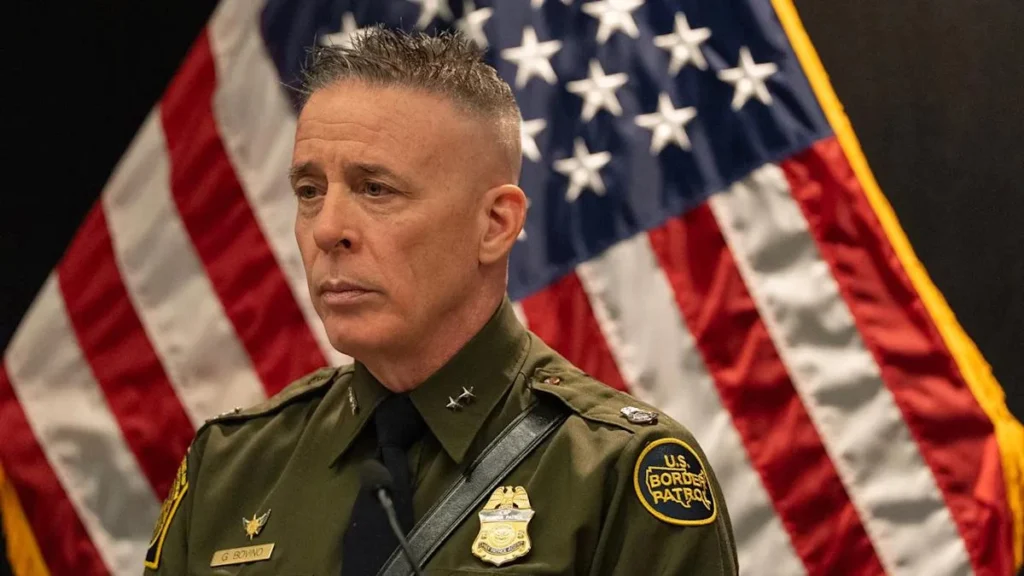
The anticipated departure of Gregory Bovino marks a notable development in the Trump administration’s aggressive approach to immigration enforcement in major US cities.
Bovino became a visible symbol of the administration’s strategy in Minneapolis, where federal immigration operations had intensified in recent months amid political tensions with local leaders.
His expected reassignment underscores the fragile balance between federal authority and local governance at a moment when immigration enforcement remains a defining national issue.
Minneapolis emerged as a focal point for federal immigration enforcement during President Donald Trump’s term, particularly as the administration sought to increase Border Patrol involvement beyond traditional border regions.
Bovino, a longtime Border Patrol official, was tasked with coordinating operations in the city and served as the primary public face of those efforts.
Tensions escalated after a federal operation resulted in the fatal shooting of a man by federal agents.
In the days that followed, Bovino publicly asserted that the individual had been planning to “massacre” law enforcement officers, a claim that local officials said was not supported by publicly available evidence.
The remarks drew sharp criticism from Minneapolis leaders and civil liberties advocates, who accused federal authorities of inflaming public fears without substantiation.
Two days later, according to US officials who spoke on the condition of anonymity to discuss internal personnel decisions, the administration moved toward reassigning Bovino out of Minnesota.
The officials said the decision was part of a broader effort to reduce friction with local authorities while maintaining federal enforcement priorities.
The reassignment highlights the political sensitivity surrounding federal immigration enforcement in interior cities, particularly when operations intersect with use-of-force incidents.
“This episode illustrates how quickly operational decisions can become political liabilities,” said David Bier, director of immigration studies at the Cato Institute.
“When federal officials make claims that are later questioned, it can undermine trust not only with local governments but also with the public.”
Mayor Jacob Frey, who has repeatedly criticized the federal presence in Minneapolis, said Monday that he spoke directly with President Trump about the situation.
Frey said after the call that some federal agents were expected to begin leaving the city Tuesday, though he did not provide details about the timeline or scope of the drawdown.
From a law enforcement perspective, former Customs and Border Protection official Theresa Cardinal Brown, now with the Bipartisan Policy Center, said the case underscores the challenges of deploying Border Patrol resources far from the border.
“Border Patrol agents are trained primarily for border security missions,” she said. “When they are used in interior enforcement roles, coordination with local authorities becomes even more critical.”
Local officials said the federal presence had tangible effects on community trust. “Residents were confused and fearful about who was conducting enforcement actions in their neighborhoods,” said Lisa Bender, a former Minneapolis City Council president who has monitored federal local relations.
“That uncertainty has real consequences for public safety and cooperation.”
Community advocates echoed those concerns.
“When federal officials make unverified claims after a deadly incident, it deepens mistrust,” said Abdi Warsame, executive director of the Minneapolis based African Development Center. “People want transparency and accountability, not rhetoric.”
Federal officials have not publicly outlined Bovino’s next assignment or whether his reassignment signals a broader change in immigration enforcement strategy in Minnesota.
The Department of Homeland Security has maintained that federal agents will continue to operate where necessary, even as local leaders push for clearer boundaries and communication.
Any reduction in the federal presence is likely to be closely watched by other cities that have experienced similar deployments.
The Minneapolis case may inform how future administrations balance rapid enforcement actions with the need for coordination and public credibility.


