
KEY POINT
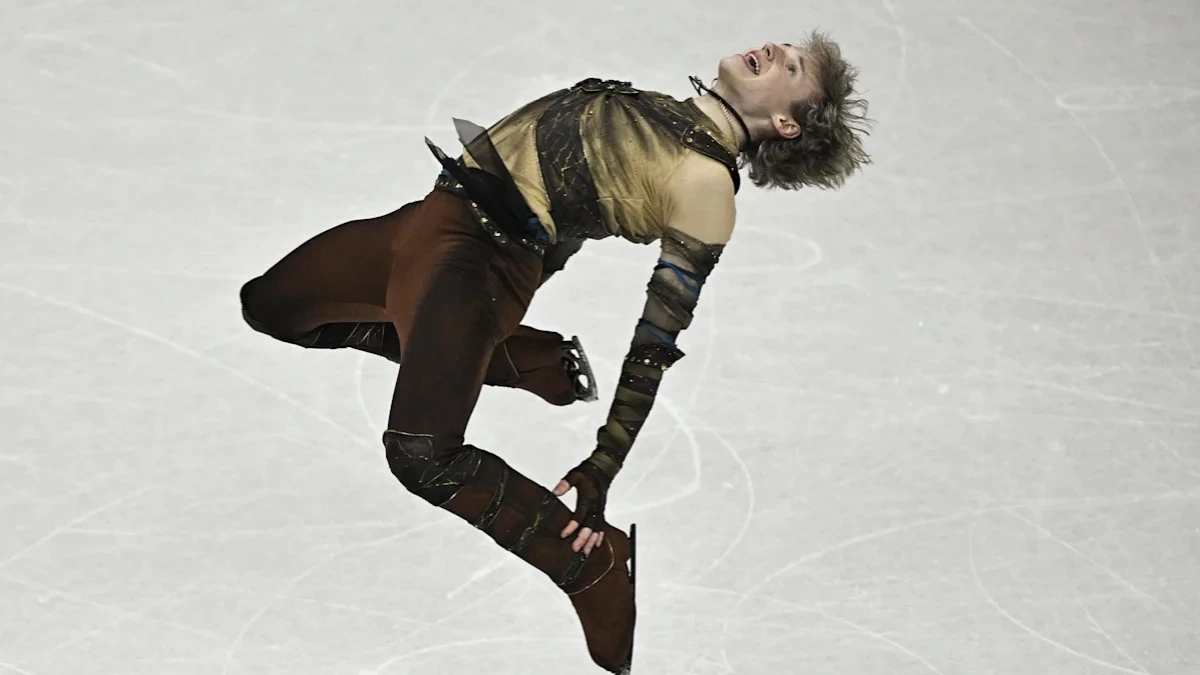
- Ilia Malinin free skate Olympics featured a quad salchow triple axel combination and a one foot backflip, a rare crowd pleasing element.
- Malinin was selected for both team event programs to stabilize Team USA after a second place short program finish.
- New skates introduced shortly before Milan required late technical adjustments during Olympic preparation.
MILAN — Ilia Malinin delivered a daring, high-scoring free skate Sunday night at the 2026 Winter Olympics, landing a one-foot backflip and a late quad salchow triple axel sequence to keep Team USA in contention for gold in the men’s team event at San Siro Ice Rink.
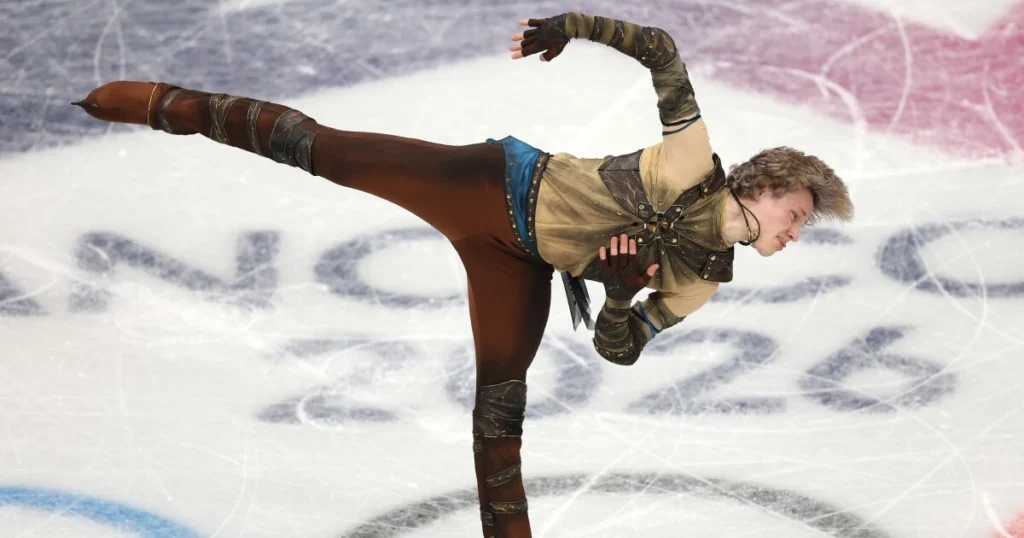
The 21 year old American, known as the “Quad God,” scored 200.03 points in the men’s free skate, including a 110.32 technical element score and 89.71 in program components, after a stumble early in the program. Japan’s Shun Sato skated later Sunday to determine the final standings.
Malinin’s performance came at a pivotal moment for Team USA, which needed a strong free skate after he finished second in the men’s short program earlier in the team event. With no quad axel attempted, Malinin opted for calculated risk management, trading maximum difficulty for execution and recovery under pressure.
Malinin entered Milan as the reigning world champion and the first skater to land a quad axel in international competition. His Olympic team event role expanded after the United States finished narrowly behind Japan in the men’s short program, prompting coaches to rely on Malinin again in the free skate.
According to US Figure Skating, Malinin’s free skate layout emphasized jump variety and stamina. The program included a quad salchow, quad toe loop, triple axel combinations and intricate step sequences designed to maximize grade of execution late in the skate.
Rafael Arutyunyan, a veteran figure skating coach who has worked with Olympic champions, said Malinin’s decision to simplify early elements reflected maturity. “He adjusted his strategy to protect the team score,” Arutyunyan said. “That’s a team event mindset.”
Doug Zeghibe, CEO of US Figure Skating, said Malinin was chosen for both segments because of scoring reliability. “Ilia gives us the highest ceiling and the safest base value,” Zeghibe said. “In a tight team competition, that matters.”
Malinin revealed that new skates, introduced weeks before the Olympics, altered his timing on takeoffs. “It took time to recalibrate,” he said. Equipment changes can affect blade pitch and edge control, requiring adjustments in jump entries and landings, according to International Skating Union technical specialists.
“It was loud, and you could feel the momentum swing,” said US teammate Jason Brown, who watched from the boards. “That backflip energized the entire arena.”
ISU technical controller Benoit Richaud said the element, while not counted toward base value, showcased control. “It was clean and centered, which is difficult after a long program,” he said.
Elsewhere Sunday, Russian and US negotiators meeting in Abu Dhabi agreed to continue diplomatic talks aimed at maintaining communication channels, according to statements from both governments. No formal agreements were announced, but officials described the discussions as constructive and focused on risk reduction.
Team event results hinge on the remaining men’s free skate performances. Malinin is scheduled to compete later in the individual event, where his quad axel could return depending on ice conditions and recovery.
Malinin’s free skate underscored his growing role as both a technical innovator and a strategic competitor. As the Olympic team event nears its conclusion, his performance has kept Team USA firmly in medal contention while reinforcing his status as one of figure skating’s most influential athletes.


