
KEY POINT
- DNA recovered from a glove near Nancy Guthrie’s home matches gloves worn by a masked suspect on video.
- The FBI will run the confirmed DNA profile through CODIS to identify potential suspects.
- Investigators say the missing 84 year old could not have left home without assistance Introduction.
TUCSON, Arizona — Federal authorities say a DNA sample recovered from a discarded glove near the home of missing Tucson resident Nancy Guthrie matches genetic material found on gloves worn by a masked prowler captured on surveillance footage days before her disappearance, marking a significant development in the investigation.
The 84 year old Guthrie, mother of television journalist Savannah Guthrie, was reported missing on Feb. 1 after last being seen the night of Jan. 31.
Investigators say she returned home from dinner with family and was not seen again. Authorities have stated she could not have left the residence unassisted due to limited mobility.
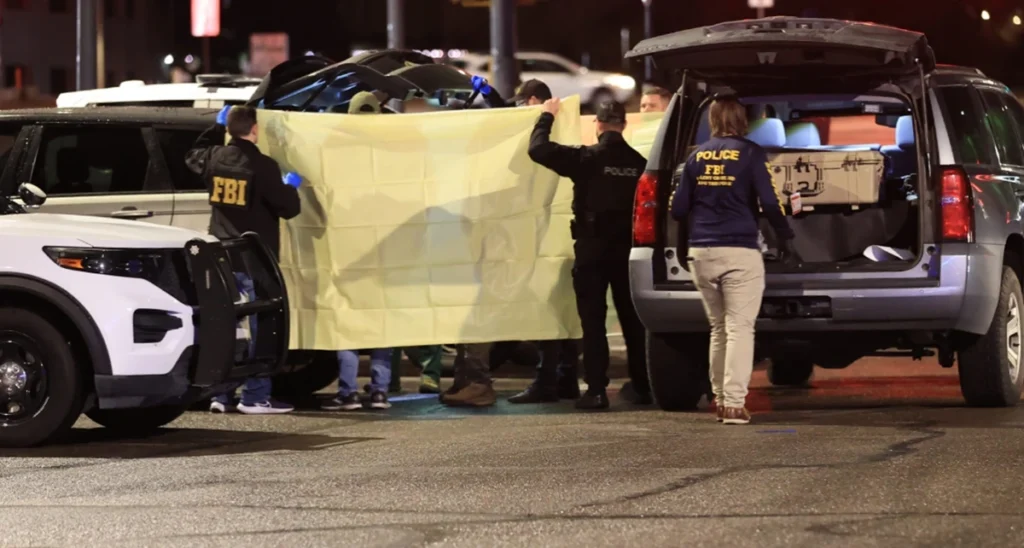
The FBI confirmed Sunday that the DNA recovered from the glove will be verified and then submitted to a national database for comparison.
The confirmation of a DNA match in the Nancy Guthrie case provides investigators with what law enforcement officials describe as actionable forensic evidence, shifting the inquiry from circumstantial leads to potential identification of a suspect.
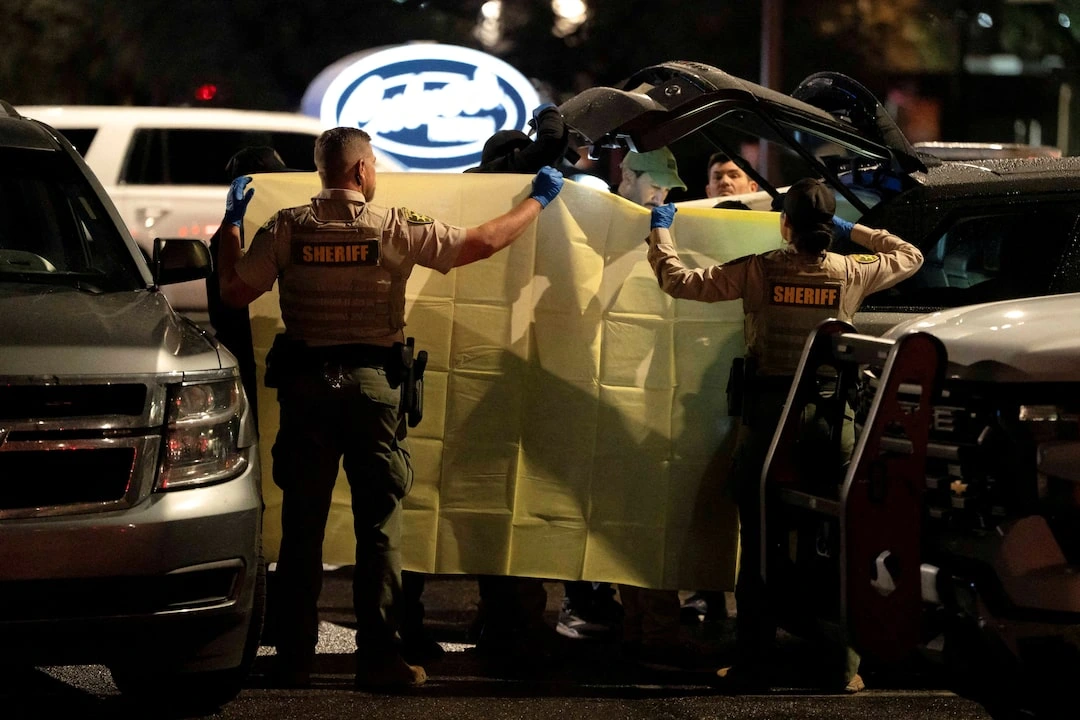
The glove was found within a two mile radius of Guthrie’s Tucson home during a neighborhood canvass.
Surveillance video from Jan. 31 shows a masked individual wearing gloves attempting to disable a doorbell camera in the early morning hours, according to the Pima County Sheriff’s Department.
“This glove is different from the other items collected,” Pima County Sheriff Chris Nanos said during a briefing. “It could directly link our suspect to the scene.”
Nancy Guthrie’s disappearance quickly drew national attention because of her family’s public profile and her reported medical fragility.
Authorities have said she requires daily medication and had limited mobilityInvestigators confirmed that blood traces found on her front porch belong to Guthrie.
Several other items collected from the property were determined to be unrelated and likely left inadvertently by search teams, officials said.
At least two purported ransom notes have been sent to media outlets since her disappearance, though investigators have not publicly confirmed their authenticity.
Once verified, the DNA profile will be entered into the FBI’s Combined DNA Index System, or CODIS, a national database used to compare DNA samples collected from crime scenes with profiles from convicted offenders and arrestees.
Dr. Linda Marshall, professor of forensic science at the University of Arizona, said the recovery of viable DNA from a wearable item can significantly narrow investigative pathways.
“When DNA is recovered from an item likely handled exclusively by a suspect, it becomes highly probative,” Marshall said. “Running it through a national database creates the possibility of immediate identification if there is a prior qualifying record.”
Christopher King, a criminal justice analyst with the Center for Public Safety Studies, said cases involving elderly victims often require accelerated timelines.
“Rapid DNA verification can narrow suspect pools quickly,” King said. “When the missing individual requires medication or assistance, time is not just investigative currency, it is a humanitarian concern.”
King noted that advances in forensic analysis since 2020 have reduced average turnaround times for DNA verification, though confirmation and database matching still require strict chain of custody procedures.
Sheriff Nanos said investigators have canvassed homes, reviewed private security footage and interviewed residents within a two mile radius.“We are methodical,” Nanos said. “We are evaluating every credible lead.”
A spokesperson for Savannah Guthrie said the family is cooperating fully with authorities and remains focused on Nancy Guthrie’s safe return.“Our priority is her safe return,” the spokesperson said. “We are grateful for the continued efforts of law enforcement.”
Dr. Marshall emphasized that while the DNA match represents progress, it does not alone establish guilt.“A database hit generates an investigative lead,” she said. “It must be corroborated with additional evidence.”
DNA Database Context
| Category | Detail |
|---|---|
| System Used | FBI Combined DNA Index System (CODIS) |
| Purpose | Compare crime scene DNA with offender profiles |
| Typical Initial Verification Time | Approximately 24 hours |
| Investigative Use | Generate suspect leads for follow-up |
Authorities cautioned that the investigation remains active. The next procedural step involves verifying the DNA profile and submitting it to CODIS for comparison against national records.
If a match is identified, investigators would then seek corroborating evidence, which could include surveillance analysis, digital data or witness testimony.
If no match is found, forensic analysts may explore familial DNA searches or expanded laboratory testing, subject to legal standards.
Sheriff Nanos said search efforts and evidence collection continue across Tucson neighborhoods.
The confirmation of a DNA match from a glove found near Nancy Guthrie’s home marks a pivotal stage in the case, offering law enforcement a tangible forensic lead in the disappearance of a vulnerable elderly woman.
While authorities stress that the investigation is ongoing, the development underscores the role of modern forensic science in advancing high profile missing person cases and potentially identifying those responsible.


