
KEY POINT
- House Democrats accused AG Pam Bondi of misleading Congress regarding Trump’s ties to Jeffrey Epstein and potential criminal activity.
- Survivors of Epstein’s abuse criticized the Justice Department for failing to meet with victims and pursue additional investigations Republicans largely posed.
- nonconfrontational questions, resulting in a measured response from Bondi during the roughly five hour testimony.
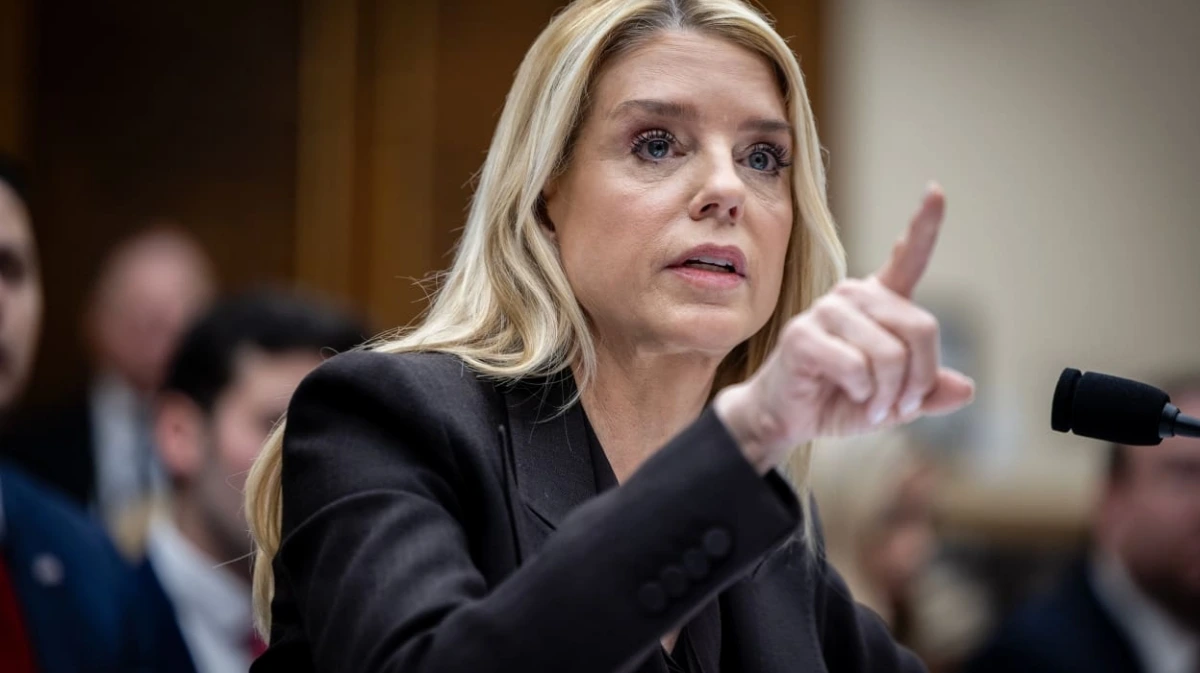
WASHINGTON — Attorney General Pam Bondi faced intense scrutiny from House Democrats on Tuesday, with lawmakers accusing her of lying under oath about former President Donald Trump’s connections to convicted sex offender Jeffrey Epstein.
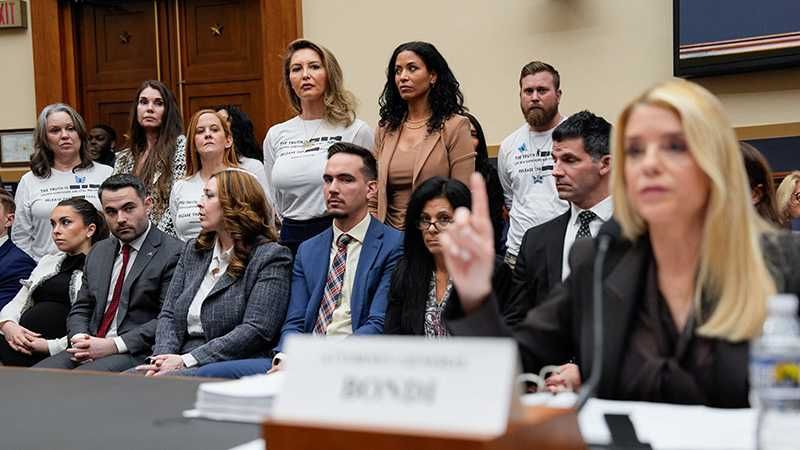
The hearing, held at the US Capitol, highlighted ongoing tensions over the Justice Department’s handling of Epstein related investigations and renewed public attention on allegations involving high profile figures.
Bondi’s testimony came amid continued public and political pressure to resolve outstanding questions from the Jeffrey Epstein case. The hearing, chaired by Rep.
Jim Jordan, R Ohio, featured repeated clashes between Bondi and Democrats, with multiple exchanges escalating into heated arguments.
Democrats focused on the DOJ’s handling of Epstein documents and alleged inaction on claims involving prominent figures, including Trump.“Don’t you ever accuse me of lying,” Bondi said sharply when Rep.
Ted Lieu, D-Calif., challenged her response regarding allegations that underage girls attended parties with Trump and Epstein.
Bondi maintained that “there is no evidence that Donald Trump has committed a crime,” reiterating the former president’s long-standing denial of any wrongdoing related to Epstein.
Jeffrey Epstein, a financier with extensive social and political connections, was convicted in 2008 on sex trafficking charges and died in 2019 while awaiting federal trial.
Documents related to his case have since been scrutinized for potential involvement of other high profile figures.
The Justice Department’s release of final Epstein files last year left many questions unresolved, prompting congressional inquiries and public criticism.
Pam Bondi, who served as Florida attorney general from 2011 to 2019 and played a role in the Epstein case, was questioned about whether the DOJ adequately investigated claims against Trump and other influential individuals.
Lawmakers cited reports that witnesses alleged Trump had raped a minor and criticized the department for failing to follow up on those claims.
Legal experts note that congressional hearings such as this often reflect broader political tensions as much as legal concerns. “These hearings serve dual purposes:
oversight of the Justice Department and political signaling,” said Mary McCord, former acting assistant attorney general for national security. “Bondi’s testimony underscores the challenge in separating legal accountability from partisan conflict.”
Criminal law professor Samuel Buell of Duke University observed that the DOJ’s discretion in pursuing investigations often becomes a focal point for public scrutiny.
“The question of who gets investigated and how victims are prioritized has long-term implications for trust in the justice system,” he said.
Rep. Pramila Jayapal, D Wash., urged survivors in the room to stand, highlighting their frustration with DOJ procedures. “If you are willing, please raise your hands if you have still not been able to meet with this department of justice,” she said. Every survivor present raised their hand.
Rep. Jerry Nadler, D N.Y., criticized the DOJ for failing to indict individuals whose misconduct surfaced in the Epstein files. “It is humiliating that justice remains unserved,” he said.
Bondi later apologized to survivors for the harm they endured. “I am deeply sorry for the abuse you suffered,” she said, calling Epstein a “monster.”
While no new investigations were announced during the hearing, legal analysts suggest congressional pressure may influence DOJ protocols for handling high profile abuse cases. “The hearing may not produce immediate indictments, but it sends a clear signal that oversight will continue,” said McCord.
Observers also note the political implications ahead of upcoming elections, as public scrutiny of DOJ actions involving former presidents could affect voter perception and legislative priorities.
The Bondi hearing underscores unresolved questions from the Epstein case and highlights systemic concerns about the DOJ’s handling of sexual abuse allegations involving powerful figures.
While immediate legal consequences for Trump or others remain uncertain, the testimony reinforced the ongoing debate over justice for survivors and the accountability of those in positions of influence.


