
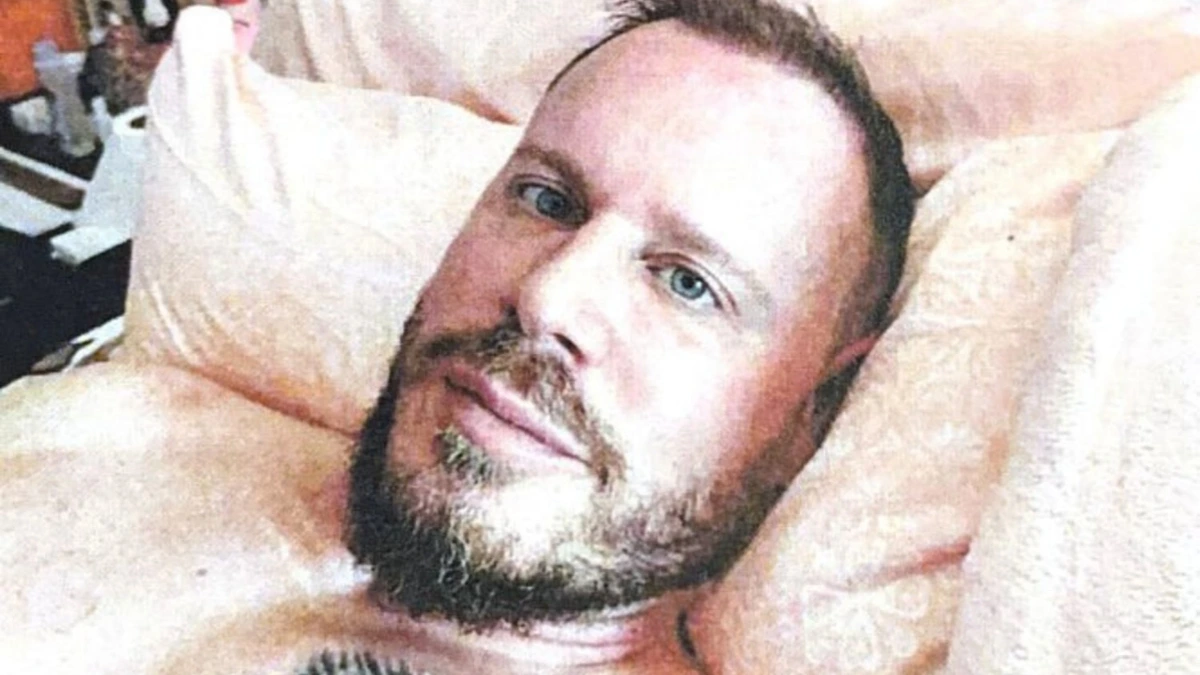
MEXICO CITY Ryan Wedding, a former Canadian Olympic snowboarder and alleged leader of a transnational drug trafficking organization, was arrested Thursday night in Mexico and transferred to U.S. authorities, federal officials said Friday. Wedding, 44, is accused of overseeing large-scale cocaine shipments, orchestrating violent killings, and laundering illicit proceeds while evading law enforcement for over a decade.
KEY POINT
- Ryan Wedding was captured in Mexico after being on the FBI’s Ten Most Wanted Fugitives list with a $15 million reward for information leading to his arrest.
- Authorities allege Wedding operated under the protection of the Sinaloa Cartel, moving cocaine from Colombia through Mexico into the United States and Canada.
- Court filings indicate Wedding was involved in multiple homicides, including that of a federal witness, and founded his criminal enterprise after a previous federal prison term.
The arrest of Ryan Wedding marks a rare case in which a former Olympian became the subject of an international manhunt for organized crime.
Officials emphasized that his alleged criminal network not only trafficked cocaine across multiple borders but also engaged in targeted violence, money laundering, and the acquisition of luxury assets with illicit proceeds.
The case underscores the complex intersection of international drug networks, cartel protection, and fugitive apprehension.
Wedding represented Canada at the 2002 Winter Olympics in Salt Lake City in the men’s parallel giant slalom. Six years later, authorities allege, he began participating in cocaine trafficking.
In 2009, Wedding was arrested in San Diego for conspiracy to distribute cocaine, convicted, and sentenced to 48 months in federal prison.
He was released in December 2011, after which federal prosecutors say he established his criminal enterprise.
In 2024, a superseding indictment charged him with attempted murder and other offenses related to drug trafficking.
Court documents also allege Wedding orchestrated the killing of a federal witness who was due to testify against him.
Wedding had been living in Mexico under cartel protection and had been featured on the FBI’s Ten Most Wanted list since March 2025.
Experts in transnational crime highlight Wedding’s case as indicative of how cartel affiliations allow fugitives to evade capture while running highly organized operations.
“When someone operates under a cartel like Sinaloa, they have access to logistics, protection, and financial networks that make them difficult to trace,” said a former US law enforcement official specializing in narcotics trafficking.
Another analyst noted the societal impact of such operations: “Beyond drug distribution, these enterprises destabilize communities through violence, intimidation, and corruption, making apprehension critical for law enforcement.”
| Aspect | Detail |
|---|---|
| Cocaine Trafficked | Hundreds of kilograms annually, transported from Colombia to U.S. and Canada |
| Reward Offered | $15 million for information leading to arrest |
| Prison Record | 2009–2011 federal sentence for cocaine conspiracy |
| Cartel Affiliation | Sinaloa Cartel protection reported |
| Seized Assets | Motorcycles ($40 million estimated value), vehicles, Olympic medals, drugs, artwork |
FBI Director Kash Patel said in a statement, “Ryan Wedding had evaded law enforcement for over a decade while running a violent transnational operation. International cooperation made this arrest possible.”
Attorney General Pam Bondi added, “We are grateful to our Mexican counterparts for their assistance in bringing this fugitive to justice.”
A Royal Canadian Mounted Police spokesperson confirmed Canadian authorities will assist with aspects of the case tied to domestic jurisdictions.
Wedding’s extradition to the United States initiates a complex legal process involving multiple federal districts.
Prosecutors are expected to pursue charges including drug trafficking, murder in furtherance of a violent criminal enterprise, and money laundering.
The case may serve as a precedent for how former high-profile athletes can be integrated into international crime networks and highlight the ongoing challenges of cartel-linked operations.
The arrest of Ryan Wedding illustrates the rare convergence of elite athletics and organized crime. As legal proceedings unfold, the case emphasizes the need for sustained international collaboration to dismantle transnational criminal networks and address the broader social and economic consequences of such operations.


