
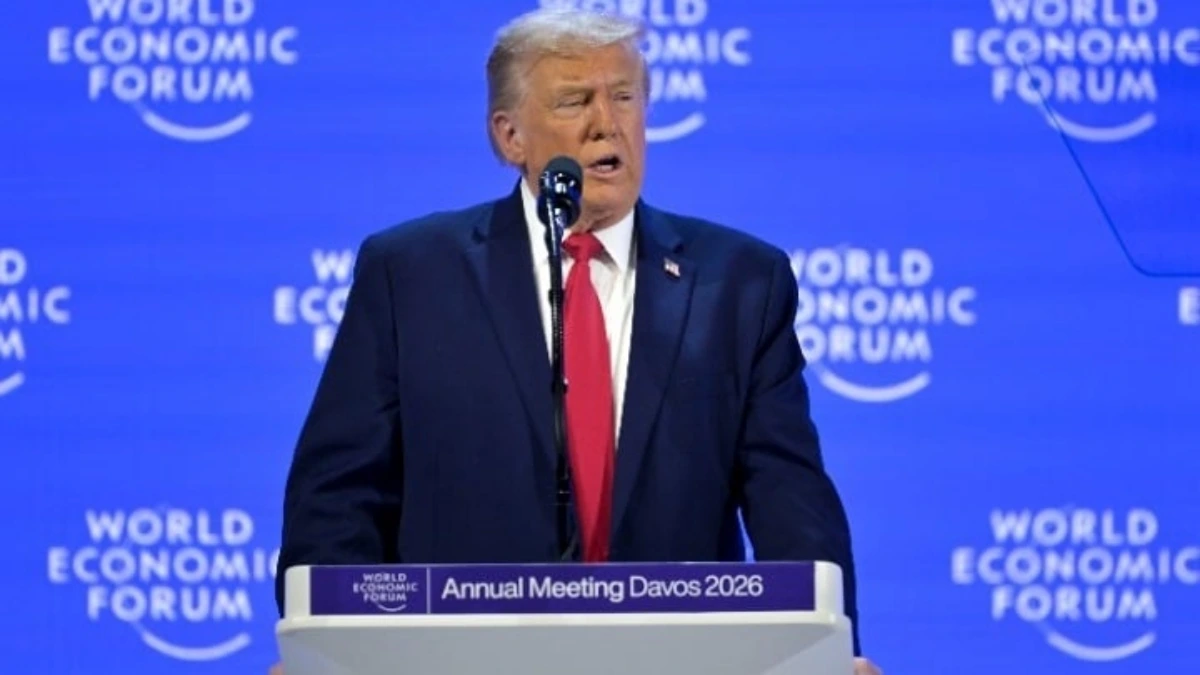
DAVOS, Switzerland President Donald J. Trump reaffirmed his desire to acquire Greenland on Wednesday but said the United States will not use military force, stressing that negotiations should be the path forward. The remarks came during his speech at the World Economic Forum in Davos, highlighting ongoing tensions with Denmark and other European allies over Arctic policy and strategic interests.
KEY POINT
- Trump confirmed US interest in Greenland but ruled out force, calling for “immediate negotiations.”
- European leaders, including Denmark, oppose any transfer of sovereignty and have strengthened military presence on the island.
- The dispute reflects broader frictions in US Europe relations over NATO commitments, trade policy, and Arctic strategy.
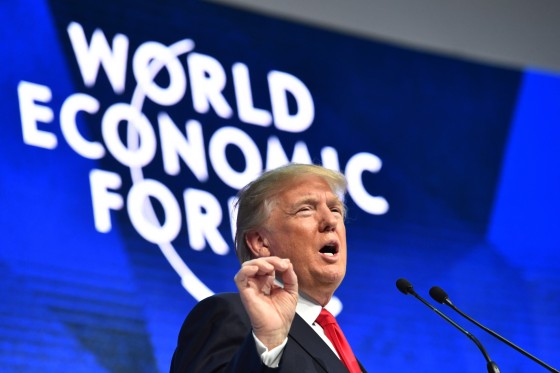
Trump’s address in Davos focused on U.S. economic performance, trade, and strategic priorities, with Greenland emerging as the most contested topic.
He described the island as a critical territory, saying the US could act militarily if needed, but insisted that diplomacy, not coercion, was the desired approach.
Greenland is an autonomous territory of the Kingdom of Denmark. Its strategic position in the Arctic has drawn US attention since World War II, when American forces defended it to prevent German occupation.
During the Cold War, Greenland’s location became vital for monitoring the North Atlantic and early warning systems.
Under a 1951 defense agreement, the United States operates Pituffik Space Base, which supports missile defense and surveillance.
Greenland controls most domestic affairs, but Denmark retains sovereignty, making any transfer of control politically complex.
Trump first publicly floated the idea of acquiring Greenland in 2019, reviving historical US interest in the island.
The proposal has resurfaced amid growing Arctic competition, as melting ice opens new shipping routes and resource opportunities for Russia, China, and Western powers.
Experts say Trump’s remarks highlight the tension between US strategic ambitions and established alliance norms.
“Greenland represents both symbolic and practical influence in the Arctic,” said Julianne Smith, a senior Arctic policy analyst.
“The United States already has significant presence and leverage; sovereignty changes are unnecessary and diplomatically risky.”
London-based security analyst Marie Leclerc added that linking Greenland to trade threats may strain NATO cohesion.
“Transactional approaches to alliance relations can create uncertainty and friction,” she said.
Danish officials emphasized that Greenlandic residents must consent to any sovereignty change. “Greenland’s people have the right to decide their future,” said Lars Holm, a Danish diplomat in Copenhagen.
In Washington, lawmakers from both parties have called for clear Arctic strategy and consultation with European allies.
“We must ensure US interests are pursued without undermining long-standing partnerships,” said Representative Elizabeth Warren.
The dispute is likely to continue in diplomatic channels. NATO officials have reaffirmed that territorial sovereignty cannot be altered unilaterally, while the US may pursue scientific, economic, or cooperative defense agreements.
Analysts stress that Greenland’s strategic importance will continue to draw attention amid rising Arctic competition.
Trump’s speech at Davos has placed Greenland at the center of US. Europe strategic discussions.
While military action is off the table, the debate underscores the growing importance of the Arctic in global security and the careful balance between national ambitions and international norms.


