
KEY POINT
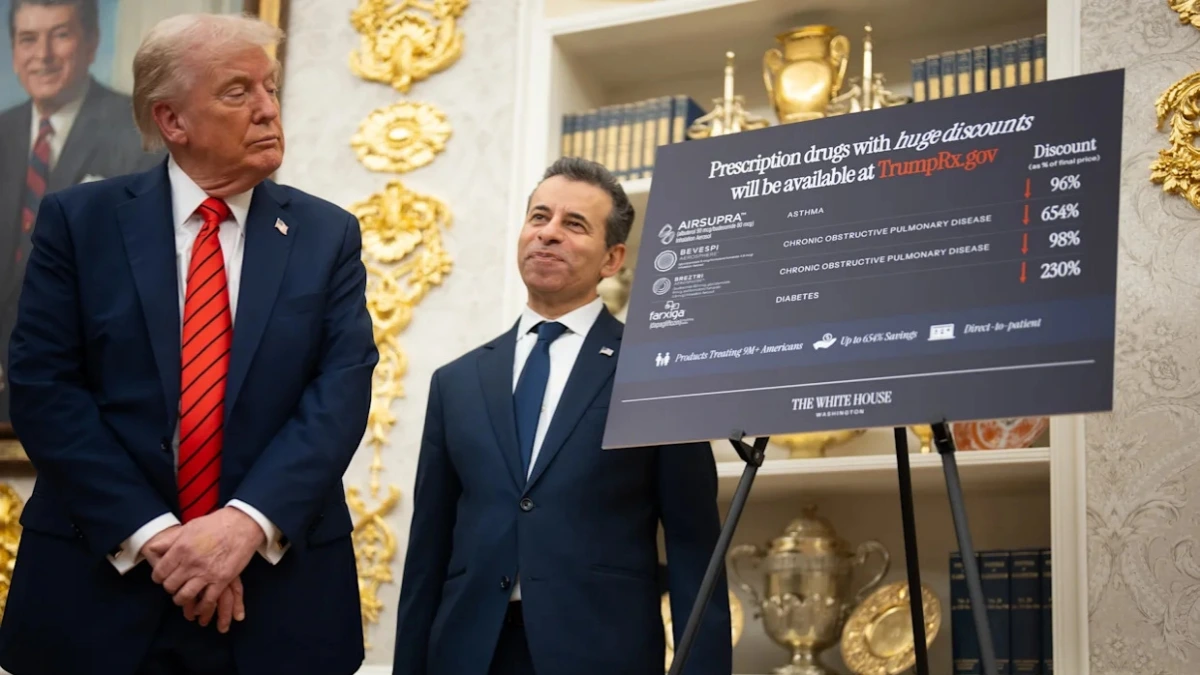
- TrumpRx.gov will direct consumers to discounted prescription drug offers from participating manufacturers.
- The initiative targets uninsured and underinsured Americans facing high out of pocket medication costs.
- The program relies on voluntary industry participation rather than new legislation or price controls.
WASHINGTON — President Donald Trump is set to launch TrumpRx.gov on Thursday, a new federal website designed to help Americans access prescription medications at reduced prices, marking the culmination of nearly a year of pressure on pharmaceutical companies to voluntarily lower costs for consumers.
The rollout of TrumpRx.gov places prescription drug affordability back at the center of the administration’s domestic agenda, as rising medication costs continue to strain household budgets in the United States.
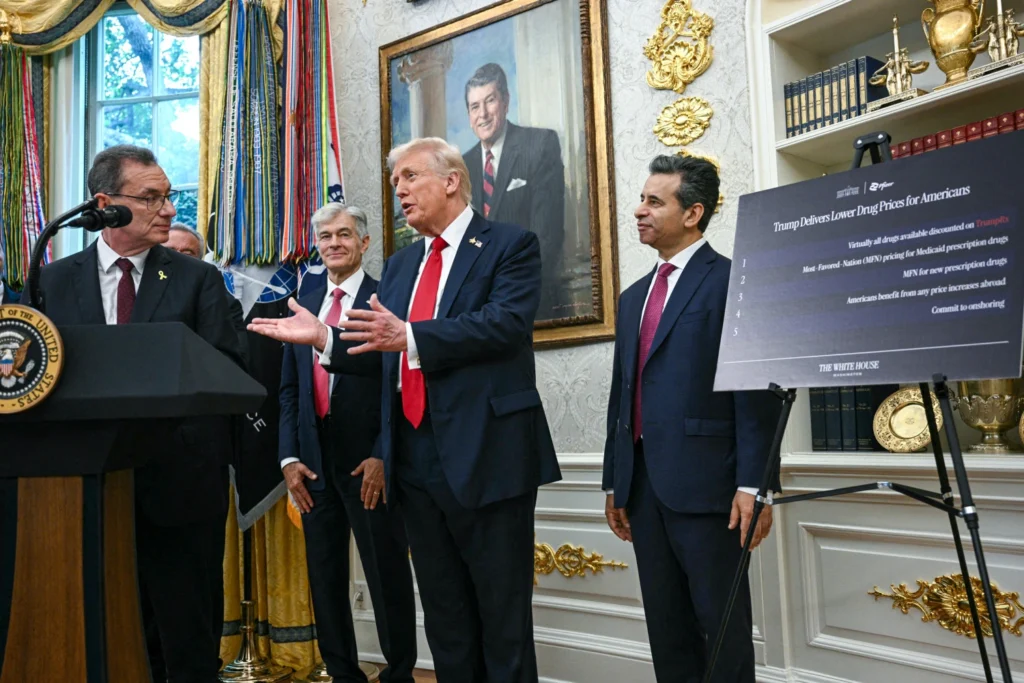
The website is intended to serve as a centralized entry point where consumers can compare lower-priced medication options made available through agreements between the federal government and drug manufacturers.
Administration officials say the platform reflects President Trump’s commitment to lowering healthcare costs without expanding federal insurance programs or imposing direct price regulations.
Prescription drug pricing has long been one of the most politically sensitive issues in US healthcare policy. While American consumers often pay significantly more for brand name medications than patients in other developed countries, previous efforts to regulate prices have faced resistance from the pharmaceutical industry and lawmakers concerned about innovation and market disruption.
Over the past year, the Trump administration has pursued an alternative strategy centered on negotiation and public pressure. Rather than mandating price caps, officials encouraged drugmakers to offer reduced direct purchase prices, particularly for widely used medications treating chronic conditions such as diabetes, obesity and heart disease.
TrumpRx.gov is the public-facing outcome of that strategy. The site itself does not sell medications or process payments. Instead, it links users to manufacturer-approved purchasing channels offering prices below typical retail pharmacy rates.
Health policy specialists say the approach reflects a shift toward consumer-driven pricing transparency, though its reach may be limited.
“This model is designed primarily for people who pay cash for their prescriptions,” said Dr. Katherine Baicker, dean of the University of Chicago Harris School of Public Policy. “For insured patients, especially those with complex benefit structures, the impact may be modest.”
Michael Abrams, managing partner at Numerof & Associates, a healthcare consulting firm, said the platform could still exert indirect pressure on the broader market.
“When manufacturers publicly advertise lower prices, it challenges the existing pricing ecosystem,” Abrams said. “Even if usage is limited, it introduces a reference point that didn’t exist before.”
White House officials describe TrumpRx.gov as a practical tool rather than a sweeping reform.
“This is about giving Americans another option,” said Karoline Leavitt, White House press secretary. “People should be able to see what medications cost and choose more affordable paths.”
Patient advocates offered cautious support.
“Any effort that reduces the price barrier is welcome,” said Angela Morris, policy director at the Patient Access Network. “But affordability remains uneven, especially for patients who rely on insurance formularies and pharmacy benefit managers.”
Pharmaceutical industry representatives have emphasized that participation in the program remains voluntary and that research and development costs continue to influence pricing decisions.
The administration plans to monitor usage of TrumpRx.gov in the coming months to assess consumer demand and manufacturer participation. Officials have indicated that expansion of the program would depend on uptake and demonstrated savings.
While no new legislation is tied directly to the launch, drug pricing is expected to remain a major issue in ongoing healthcare debates, particularly as voters continue to rank affordability among their top concerns.
TrumpRx.gov represents a targeted attempt by the Trump administration to address prescription drug costs through transparency and voluntary market agreements rather than regulatory mandates.
Its long term impact will depend on consumer awareness, industry participation and whether lower direct prices influence broader pricing practices across the US healthcare system.


