
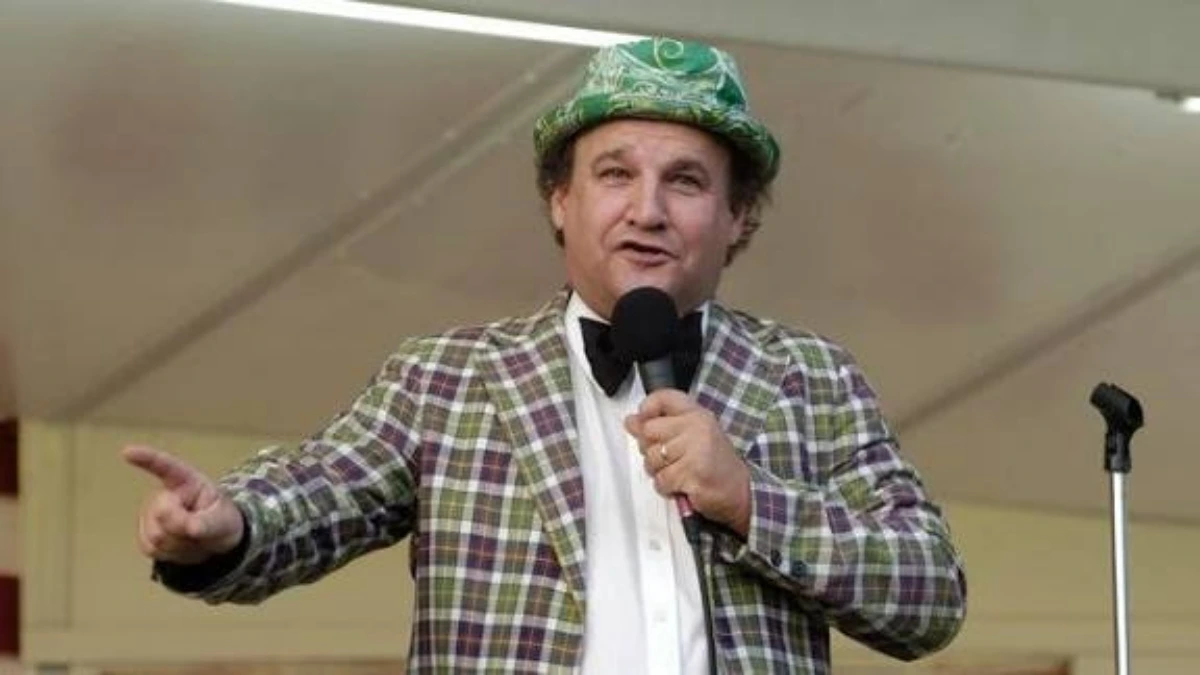
Uncle Floyd Vivino, a New Jersey comedian and television personality whose low-budget cable show became a cult institution, has left a lasting imprint on regional entertainment through decades of offbeat humor, live music and unscripted television that reflected the character of North Jersey and the greater New York media market.
KEY POINT
- Uncle Floyd Vivino built a devoted following through local television rather than national syndication.
- His work influenced comedians, musicians and broadcasters in New Jersey and New York.
- The Uncle Floyd Vivino legacy highlights the cultural value of regional TV in an era of mass media consolidation.
For more than thirty years, Uncle Floyd Vivino represented a distinctly New Jersey brand of comedy that thrived far from Hollywood studios and network executives.
Known primarily for “The Uncle Floyd Show,” Vivino blended slapstick humor, surreal sketches and live musical performances into a format that defied conventional television standards.
While rarely discussed alongside national comedy figures, Uncle Floyd Vivino occupies a significant place in American regional media history.
Born Floyd Vivino in Paterson, New Jersey, Uncle Floyd Vivino grew up in a family immersed in music and performance. His brother, guitarist Jimmy Vivino, later gained national visibility through late night television bands.
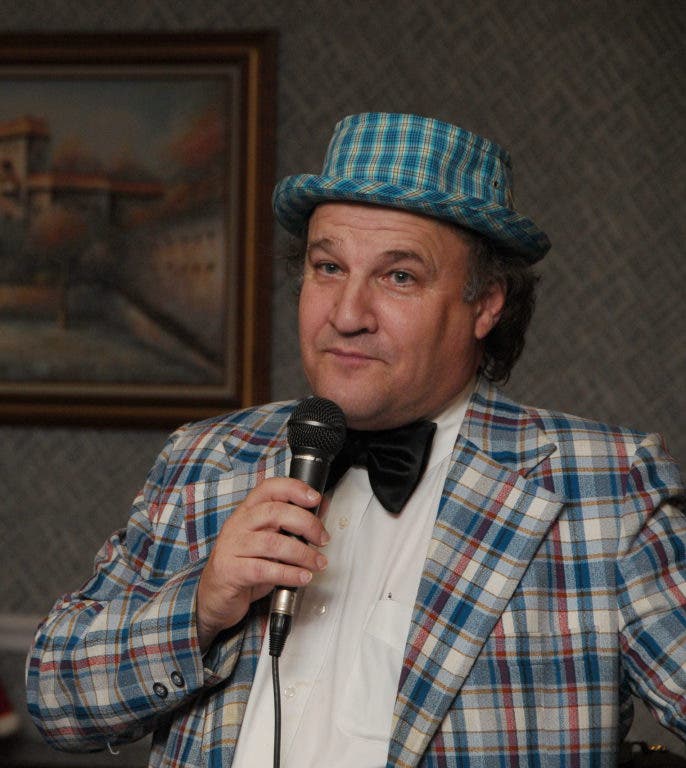
Floyd Vivino’s own path diverged from mainstream entertainment, focusing instead on local stages, radio and eventually public-access and cable television.
“The Uncle Floyd Show” debuted in the nineteen seventies on local New Jersey cable and later aired on New York–area stations.
Produced on modest budgets, the program relied on improvised humor, eccentric characters and frequent musical guests.
Artists ranging from emerging punk bands to established performers appeared on the show, attracted by its informal atmosphere and loyal audience.
Media historians note that Uncle Floyd Vivino’s rise coincided with a period when regional television offered creative freedom rarely found in national broadcasting.
According to archival records from New Jersey cable operators, locally produced shows during that era filled cultural gaps left by network programming focused on mass appeal.
Experts say Uncle Floyd Vivino’s career underscores the role of regional entertainers in shaping local identity.
Robert Thompson, a television historian at Syracuse University, said local cable hosts often served as “cultural translators” for their communities. “Figures like Uncle Floyd Vivino connected viewers to a shared sense of place,” Thompson said.
Unlike nationally marketed comedians, Uncle Floyd Vivino built credibility through consistent presence rather than viral moments. Media analysts point out that this approach fostered deeper audience trust.
According to communications scholar Jane Collins of Rutgers University, “Regional television personalities could take creative risks because their accountability was directly to viewers, not advertisers.”
The Uncle Floyd Vivino model also illustrates how local television supported live music ecosystems. Bands that later achieved broader recognition often cited early appearances on regional programs as critical exposure.
Former producer and broadcaster Glenn Friedman said Uncle Floyd Vivino’s appeal lay in authenticity.
“He never tried to be anything other than what he was,” Friedman said. “That honesty resonated with audiences who felt overlooked by mainstream media.”
Musician Patti Smith, who appeared on regional television during her early career, previously credited local shows for providing exposure without commercial pressure.
While not speaking directly about Uncle Floyd Vivino, Smith said such platforms allowed artists to connect directly with communities.
New Jersey media archivist Laura Troiano said preservation efforts now recognize the historical value of programs like “The Uncle Floyd Show.” “These recordings document cultural history that would otherwise be lost,” Troiano said.
As streaming platforms and digital archives expand, interest in regional television history has grown. Media preservation groups in New Jersey have begun cataloging footage connected to Uncle Floyd Vivino, reflecting a broader reassessment of local programming’s role in American culture.
While no official revival projects have been announced, academic and cultural institutions continue to study his work as an example of community-based media production.
Uncle Floyd Vivino’s career illustrates how regional entertainers can shape cultural identity without national exposure.
Through decades of television and live performance, he demonstrated the enduring influence of local voices in American media.
His legacy remains a reference point for understanding the power and importance of regional television in a changing entertainment landscape.


