
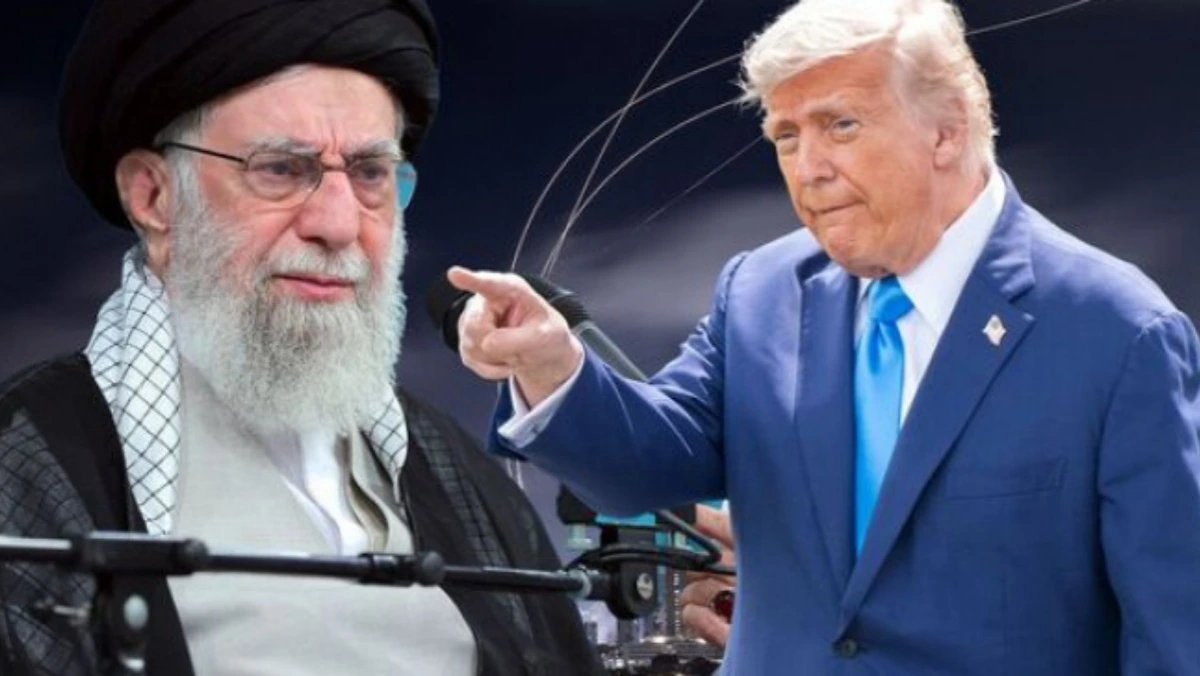
KEY POINT
- Iran conflict escalates with US and Israeli strikes on strategic military targets across Iran following the death of Supreme Leader Khamenei.
- Regional impact grows as Iran’s retaliatory strikes hit Gulf states and Israel, raising fears of wider Middle East instability.
- Diplomacy signaled as President Trump says he is open to dialogue with Iran’s new leadership despite ongoing hostilities.
TEHRAN — The United States and Israel intensified military operations against Iran on Sunday, carrying out strikes that targeted ballistic missile sites, naval assets and security installations after Iran’s Supreme Leader Ayatollah Ali Khamenei was killed in a coordinated assault, officials and analysts said.
US President Donald Trump later indicated willingness to engage in direct talks with Iran’s new leadership, a move that could reshape the trajectory of the Iran conflict.
The intensified Iran conflict began after what U.S. and Israeli officials described as a rare intelligence opportunity to strike clustered leadership targets, resulting in the death of Khamenei and multiple senior commanders, according to a senior US defense official speaking on condition of anonymity to discuss security details.
Ballistic missile launch facilities, naval bases and Revolutionary Guard installations were struck by US B 2 stealth bombers and Israeli Air Force jets, military spokespeople said.
Blasts in multiple Iranian cities were reported by state news agencies, with witnesses describing windows rattling and smoke rising over urban skylines.
Iran’s response extended beyond direct military targets, with missiles and drones directed at Israel and Gulf Cooperation Council states.
In the United Arab Emirates, Emirati authorities said most incoming threats were intercepted, though debris caused casualties and property damage, according to an official statement from the UAE Ministry of Defense.
Analysts say the Iran conflict now carries broader implications for regional security. “This escalation reflects a dramatic shift in strategic norms,” said Dr. Sarah Mendelson, senior fellow at the International Institute for Strategic Studies. “The risk to global energy supplies and trade routes cannot be understated.”
Voices from the ground reflect fear and resolve. “We are living with explosions daily,” said Leila Sharifi, a resident of Tehran. “No one knows what comes next.”
In Washington, National Security Council spokesperson John Kirby reiterated that any talks would be rooted in de‑escalation and accountability. The focus remains on managing the immediate Iran conflict and deterring further regional spill over.
Longer‑term outcomes hinge on both diplomatic engagement and military restraint, with global markets and allied capitals watching closely as the Iran conflict unfolds.


