
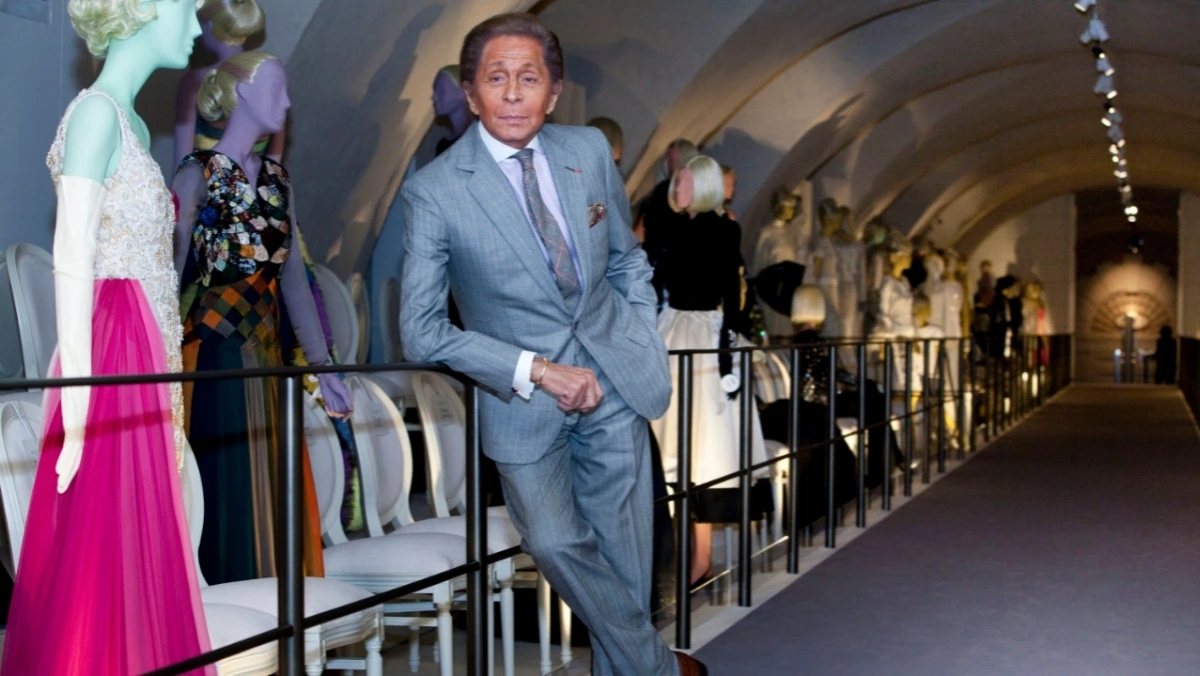
ROME Valentino Garavani, the legendary Italian designer whose name became synonymous with elegance, luxury, and the iconic “Valentino red,” died Monday at his home in Rome. He was 93. The designer, widely regarded as the last of the great 20th-century couturiers, left an indelible mark on international fashion, dressing royalty, celebrities, and society figures for decades.
KEY POINT
- Valentino Garavani, founder of the Valentino fashion house, died at 93, leaving behind a lasting global fashion legacy.
- His designs shaped the wardrobes of royalty, Hollywood stars, and social elites, defining modern luxury standards.
- The Valentino brand continues as a major global fashion and business entity under new ownership and creative leadership.
Valentino’s death represents a significant moment in fashion history, marking the end of an era defined by handcrafted couture and timeless glamour.
His work established Rome as a hub for international fashion alongside Paris and Milan, influencing both the creative and commercial direction of the luxury industry.
Born May 11, 1932, in Voghera, Italy, Valentino Garavani trained in Paris at the renowned École de la Chambre Syndicale de la Couture Parisienne.
He launched his eponymous couture house in Rome in 1959, quickly attracting clients that included Jacqueline Kennedy, Elizabeth Taylor, and Princess Margaret. His signature shade of red became known worldwide as “Valentino red,” a color emblematic of sophistication and romance.
Valentino distinguished himself with meticulous craftsmanship, luxurious fabrics, and elaborate embellishments such as lace, embroidery, and bows.
While fashion trends shifted rapidly in the 20th century, Valentino maintained an aesthetic rooted in elegance and wearability, earning critical acclaim for collections that balanced innovation with tradition.
Fashion historians emphasize that Valentino’s influence extended beyond design. Dr. Elaine Roberts, professor of fashion studies at the London College of Fashion, explained, “Valentino redefined the language of elegance. He created garments that enhanced the wearer’s presence rather than overpowering it.”
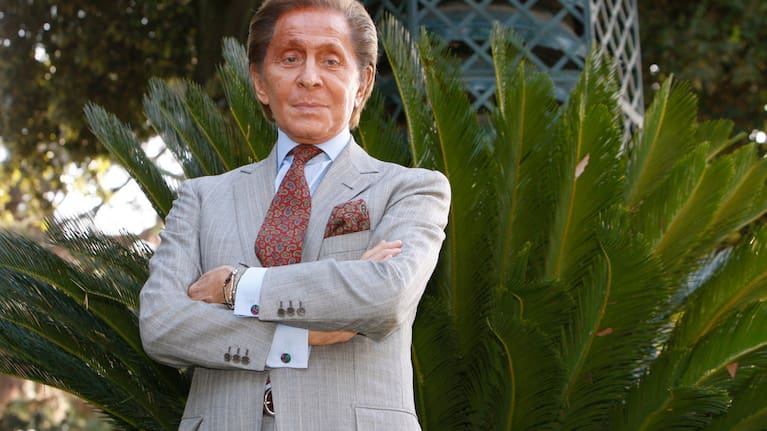
Luxury market analysts note that the designer’s approach helped shape modern business models in fashion. The brand’s blend of couture prestige and ready-to-wear offerings allowed it to flourish commercially.
Reports indicate that the Valentino fashion house, now majority-owned by the Qatari fund Mayhoola, continues to generate revenues exceeding €1.3 billion annually, demonstrating the enduring financial and cultural value of Garavani’s legacy.
Industry experts reflected on Valentino’s influence following the announcement of his death. Carlo Fontana, director of the Museo della Moda in Milan, said, “Valentino was a bridge between Italian craft and global fashion culture. His vision elevated couture to an art form accessible to all elites worldwide.”
Paris-based fashion critic Jessica Leroux added, “His gowns were cultural symbols as much as garments. They represented power, grace, and style across generations of leaders and celebrities.”
The Valentino brand remains active under current creative leadership, with a continued focus on high fashion, luxury accessories, and international expansion.
Analysts expect future collections to honor Garavani’s signature aesthetics while adapting to contemporary markets, particularly in Asia and North America.
The designer’s influence on fashion education and luxury brand strategy will remain a reference point for emerging designers.
Valentino Garavani’s death closes a chapter on a pivotal era of fashion history. His legacy in style, business strategy, and cultural influence endures in the continued success of his brand and the global fashion landscape.
The principles he established in elegance, craftsmanship, and prestige will continue to guide designers and brands worldwide.


