
KEY POINT
- Emergency declarations cover large parts of the Midwest, South and Northeast as the winter storm expands east.
- Power outages and travel disruptions highlight infrastructure vulnerabilities during extreme winter weather.
- The winter storm is expected to have lingering economic and public safety impacts into next week.
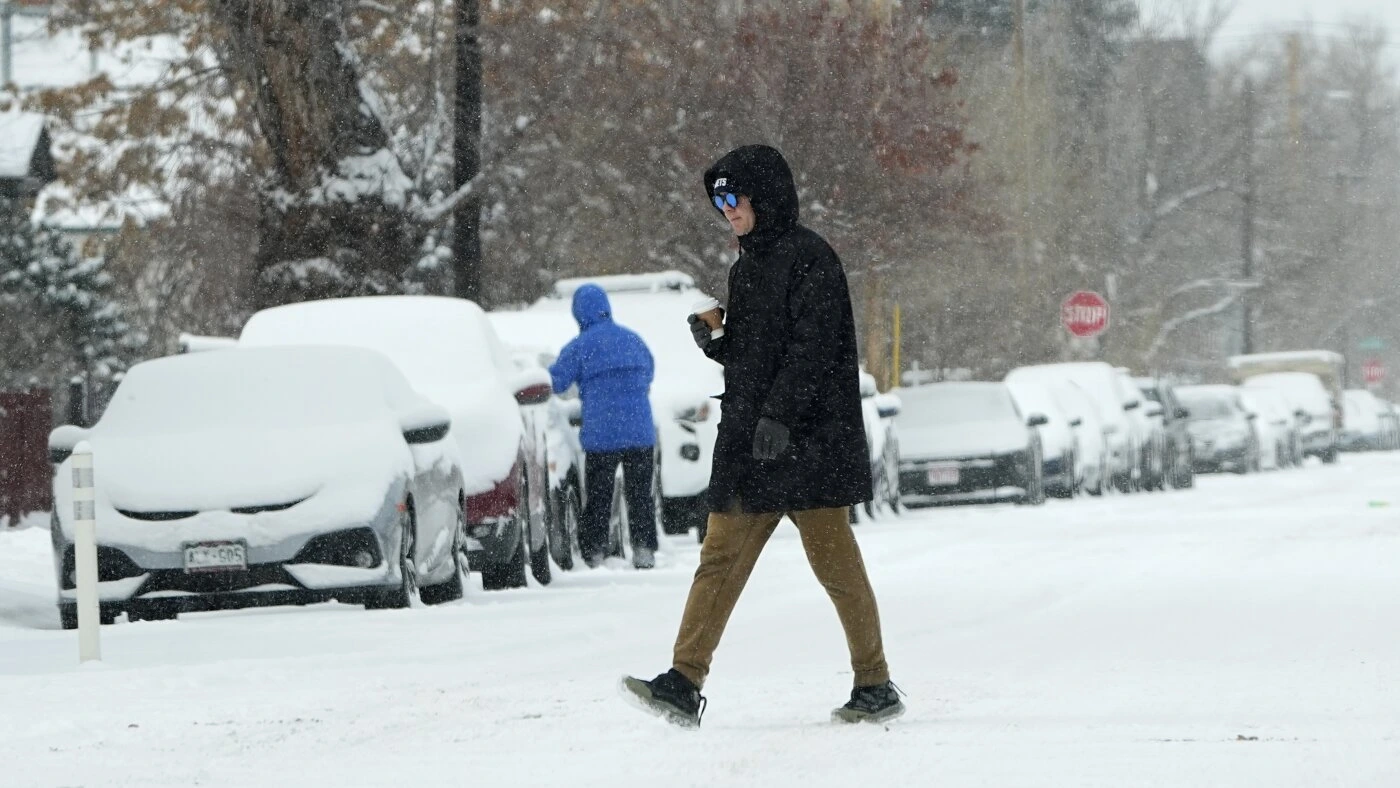
A powerful winter storm sweeping across the United States has triggered emergency declarations in at least twenty four states and Washington, D.C., as heavy snow, widespread ice and prolonged cold temperatures disrupt electricity, transportation and daily life for millions of people, according to state officials and federal forecasters.
The winter storm, which intensified over the weekend, is emerging as one of the most geographically expansive cold-weather events of the season.
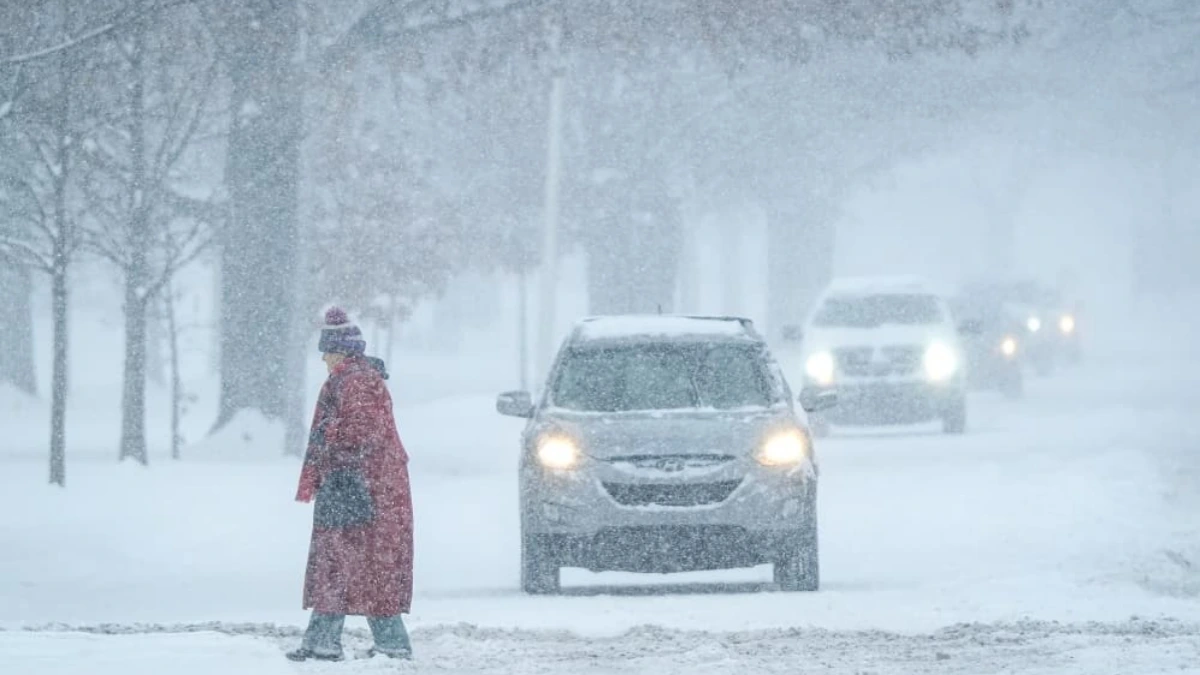
It has affected communities from Texas and New Mexico to New England, underscoring the growing challenges emergency managers face as extreme weather events strain power grids, transportation networks and public services across multiple regions at once.
The storm developed as a strong Arctic air mass collided with moisture moving east from the Pacific, creating a prolonged corridor of snow, sleet and freezing rain.
According to the National Weather Service, this combination increased the risk of ice accumulation in southern and mid-Atlantic states while producing heavy snowfall in parts of the Midwest and Northeast.
Similar multi-region winter storms have occurred in recent decades, but the current system stands out for its scale.
Federal forecasters estimate that nearly three quarters of the continental United States could experience some level of impact, from hazardous road conditions to prolonged cold that complicates recovery efforts.
State governors issued emergency declarations in advance to activate the National Guard, expedite resource deployment and allow price controls on essential goods.
Ken Graham, director of the National Weather Service, said the storm illustrates how interconnected weather risks can escalate quickly.
“When snow, ice and extreme cold overlap across such a large area, the consequences multiply,” Graham said. “Power restoration, road clearing and emergency response all take longer in subfreezing conditions.”
From an infrastructure perspective, the storm highlights ongoing stress on aging power systems.
Michael Webber, a professor of mechanical engineering and energy policy at the University of Texas at Austin, said ice accumulation poses a particular risk. “Ice is often more damaging than snow because it adds weight to power lines and trees,” Webber said.
“That increases the likelihood of cascading outages that are harder to repair.”
Emergency management officials also point to workforce constraints.
Prolonged storms limit the availability of repair crews and first responders, especially when multiple states are affected simultaneously.
| Indicator | Current Storm | Comparable Past Storm |
|---|---|---|
| States under emergency declarations | 24 plus Washington, D.C. | 19 during a major 2014 event |
| Customers without power (peak) | More than 700,000 | About 600,000 in 2018 |
| Flight cancellations | Over 14,000 | Approximately 12,000 in 2022 |
In Pennsylvania, Gov. Josh Shapiro said the emergency declaration allows state agencies to coordinate resources more efficiently.
“This storm is testing our preparedness, and we are focused on keeping people safe and restoring critical services as quickly as conditions allow,” Shapiro said.
Transportation officials echoed those concerns. Pete Buttigieg, U.S. secretary of transportation, said in a statement that airlines and rail operators were urged to adjust schedules early to reduce stranded travelers.
“Safety comes first during severe winter weather, even when disruptions are unavoidable,” Buttigieg said.
Residents in affected areas described a mix of frustration and caution.
Lisa Hernandez, a small business owner in Nashville, Tennessee, said repeated power interruptions forced her to close temporarily.
“The ice made it impossible for deliveries or customers to get around,” she said. “You plan for snow, but ice changes everything.”
Forecasters expect the winter storm’s core impacts to shift toward the Northeast while colder air lingers across the central and southern states.
The National Weather Service warned that refreezing overnight could prolong hazardous travel conditions even after precipitation ends.
Utility companies said restoration timelines depend on weather conditions and access to damaged areas.
State officials urged residents to monitor local advisories, limit unnecessary travel and prepare for extended cold.
Federal agencies continue to coordinate with states to assess damage and determine whether additional disaster assistance may be required.
As emergency declarations remain in effect across much of the country, the winter storm serves as a reminder of the far-reaching consequences of extreme cold weather events.
Beyond immediate disruptions, the storm is likely to influence future discussions on infrastructure resilience, emergency planning and the capacity of public systems to withstand large scale weather emergencies that cross regional boundaries
Q1: What is the winter storm emergency in the United States?
A: It means states have declared emergencies due to heavy snow, ice and extreme cold threatening safety and services.
Q2: Which states are under the winter storm emergency in the United States?
A: More than twenty-four states across the Midwest, South and Northeast are affected.
Q3: How long will the winter storm emergency in the United States last?
A: Officials say impacts could continue for several days because of ongoing cold and ice.


