
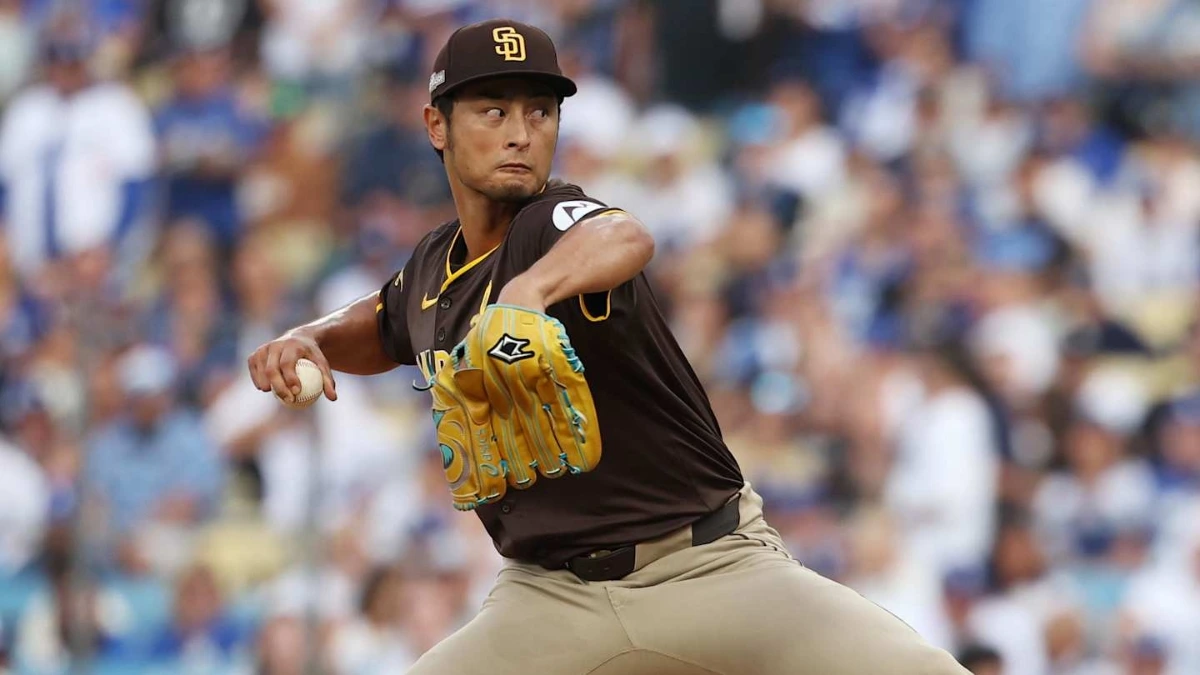
KEY POINT
- Yu Darvish is contemplating retirement but has not made a final decision, according to his agent.
- The Padres starter remains focused on elbow rehabilitation and has not announced a retirement timeline.
- Darvish’s situation highlights broader questions around veteran pitchers, long-term contracts and injury recovery in Major League Baseball.
San Diego Padres right hander Yu Darvish is contemplating retirement while continuing rehabilitation on his injured elbow, according to statements released Friday by his agent and the pitcher himself. Reports that.
Darvish had already decided to retire were disputed, underscoring uncertainty around the future of the longtime major leaguer and his contract status with the Padres.
Darvish contemplating retirement has become a major storyline for the Padres and the wider baseball world, not because of a definitive decision but because of what his deliberation represents.
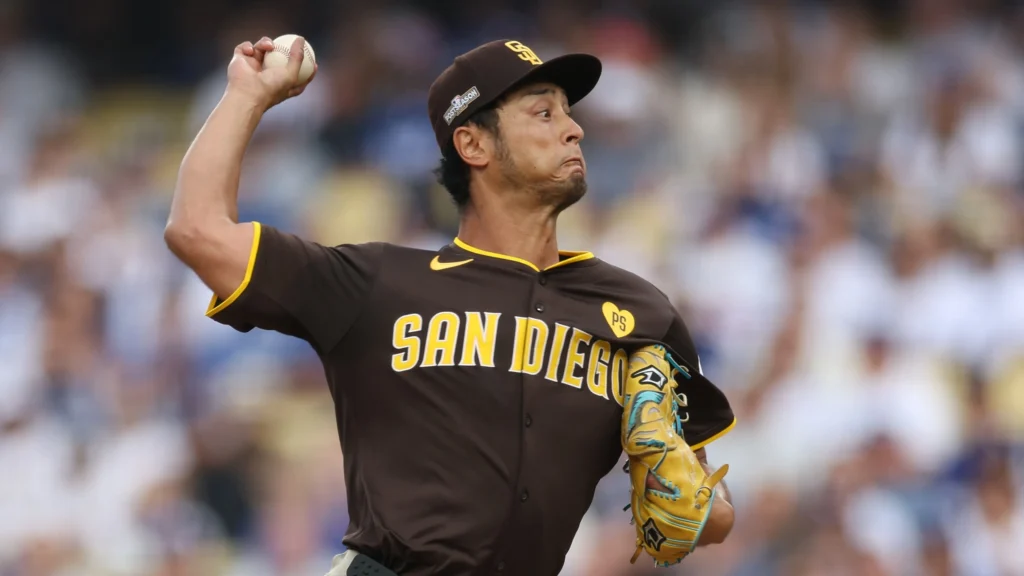
At age thirty-nine, Darvish is navigating injury recovery, contractual considerations and the physical demands of continuing a career that has spanned nearly two decades across Japan and Major League Baseball.
The situation came into focus after Kevin Acee of the San Diego Union-Tribune reported that Darvish was retiring.
That report was later refuted by his agent, Joel Wolfe. “Yu has not made a final decision yet.
This is a complicated matter we are still working through,” Wolfe said in a statement relayed by Alden Gonzalez of ESPN.
Darvish later addressed the matter directly in a post on his X account.
He said he was leaning toward voiding his contract but emphasized that no final determination had been reached.
Darvish added that he would not announce his retirement while still rehabbing his elbow and evaluating whether he could return to competitive pitching.
The right hander has been a central figure in professional baseball since debuting in Japan before joining MLB in 2012.
Over his career, Darvish has pitched for the Texas Rangers, Los Angeles Dodgers, Chicago Cubs and Padres, earning multiple All-Star selections and building a reputation for one of the sport’s deepest pitch arsenals.
Darvish’s deliberation reflects a growing challenge facing veteran pitchers with long-term contracts.
Joel Wolfe, who represents several high profile pitchers, described the matter as multifaceted, involving health, competitive readiness and contractual obligations rather than a simple retirement choice.
Baseball economist Nathan Grube, a professor at the University of Tampa who studies sports labor markets, said Darvish’s case illustrates how injury risk reshapes late-career decisions.
“For veteran pitchers, the question is not only whether they can pitch again, but whether the recovery timeline aligns with team expectations and guaranteed contracts,” Grube said.
Former MLB pitcher and current analyst Dan Haren noted that elbow rehabilitation can be unpredictable, especially for pitchers with heavy workloads.
“You do not really know how the arm will respond until you start throwing with intent,” Haren said. “That uncertainty makes decisions like this extremely difficult.”
Darvish himself emphasized process over outcome in his statement. “Right now I am fully focused on my rehab for my elbow,” he wrote. “If I get to a point where I can throw again, I will start from scratch again to compete.”
Wolfe echoed that measured tone, saying the focus remains on clarity rather than headlines.
Padres beat reporter Alden Gonzalez reported that team officials were aware of Darvish’s statement and were continuing internal discussions, though the organization has not issued a formal comment.
Sports medicine specialist Dr. James Andrews, founder of the Andrews Institute, has previously said in public forums that elbow recovery varies significantly by age and pitching style.
While not commenting directly on Darvish, Andrews has noted that veteran pitchers often face longer recovery timelines and more difficult return-to-play benchmarks.
Any next steps depend on Darvish’s rehabilitation progress and continued discussions with the Padres.
Under MLB rules, contract voiding, retirement and injury designations each carry different roster and payroll implications.
Darvish indicated he would only announce retirement if he reaches a point where he cannot realistically compete again.
The Padres, meanwhile, must plan for rotation depth amid uncertainty, a common challenge for teams relying on veteran starters.
League observers expect clarity only after Darvish resumes throwing at a competitive level or determines he cannot do so.
Yu Darvish contemplating retirement remains an open question rather than a resolved decision.
His statements and his agent’s comments point to a cautious, step by step approach centered on health and competitive integrity.
For the Padres and for Major League Baseball, the outcome will resonate beyond one player, reflecting how aging stars navigate injury, contracts and the final chapters of elite careers.
Q1: Is Yu Darvish retiring?
A: No, Yu Darvish has not officially retired and is focused on elbow rehab.
Q2: Why is he considering voiding his Padres contract?
A: Darvish is discussing contract options while evaluating his ability to pitch again.
Q3: When will he announce retirement?
A: Only if he cannot return to competitive pitching, according to his statement.


