
KEY POINT
- Larry David wanted Julia Louis-Dreyfus to play Elaine after working with her on Saturday Night Live.
- Louis Dreyfus hesitated to join Seinfeld because the show had yet to establish itself as a reliable career opportunity.
- The actress eventually accepted the role after reading the scripts for the sitcom’s initial four episode season.
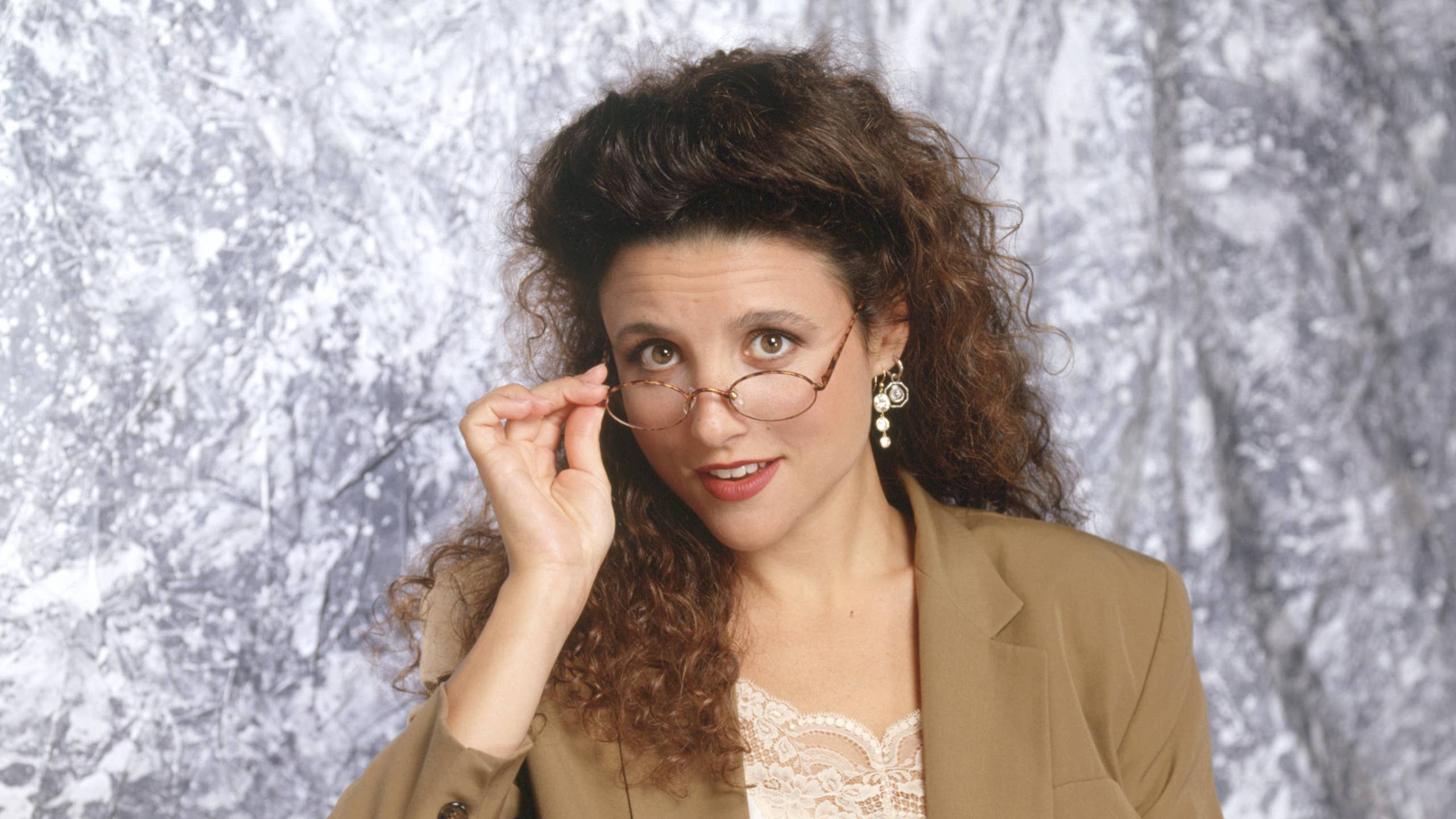
Julia Louis Dreyfus became one of the defining faces of Seinfeld, but her casting as Elaine Benes almost took a different turn. Although creator Larry David considered her the right person for the role, the actress was initially unsure whether joining the NBC comedy was the best decision for her career.
The casting story is explored in Emperor of Nothing, a biography of David by Blake J. Harris scheduled for release on Oct. 20, 2026. The book examines the professional history behind one of television’s most recognizable sitcoms, including the circumstances that brought Louis Dreyfus into its central cast.
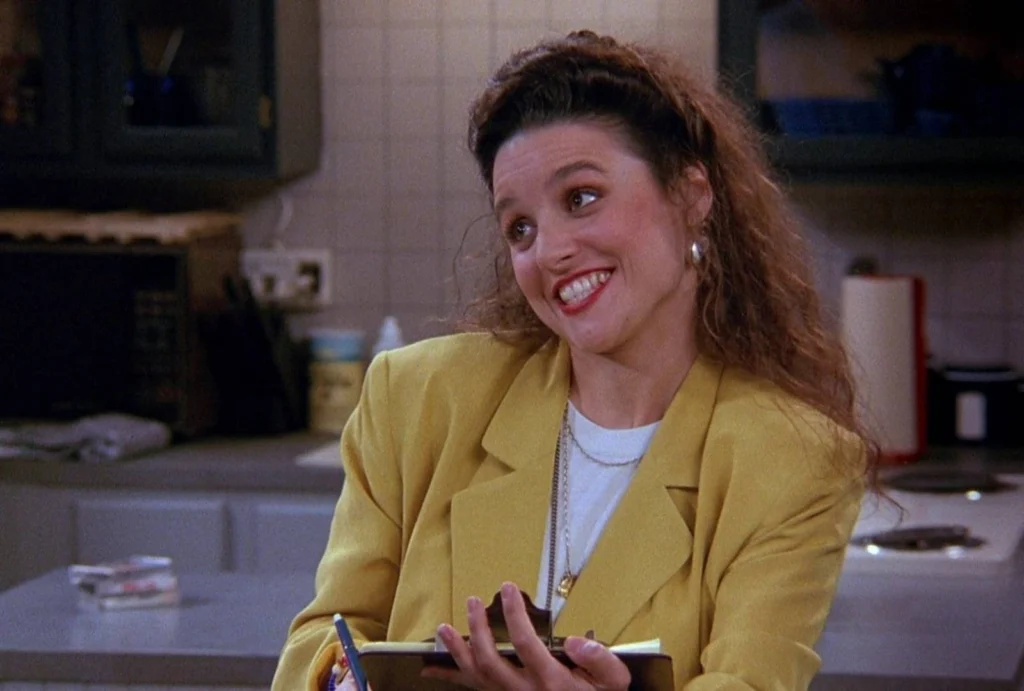
Elaine did not appear in the original pilot, titled The Seinfeld Chronicles. That episode introduced Jerry Seinfeld as himself, alongside George Costanza, played by Jason Alexander, and Cosmo Kramer, played by Michael Richards. NBC later required the production to add a female character before moving forward with a short first season.
David already had a strong candidate in mind. He and Louis Dreyfus had worked together on Saturday Night Live during the early 1980s, where their shared frustrations with the working environment helped establish a connection.
According to the account in Harris’ biography, several actresses auditioned for Elaine, including Patricia Heaton, Wendie Malick, Rosie O’Donnell and Megan Mullally. However, David’s familiarity with Louis-Dreyfus’ comedic abilities made her his preferred choice.
The timing created a complication. In 1990, Louis-Dreyfus was coming off her role as an annoying neighbor in the sitcom Day by Day. Although the show’s second season had ended in June 1989, its future remained unresolved for months.
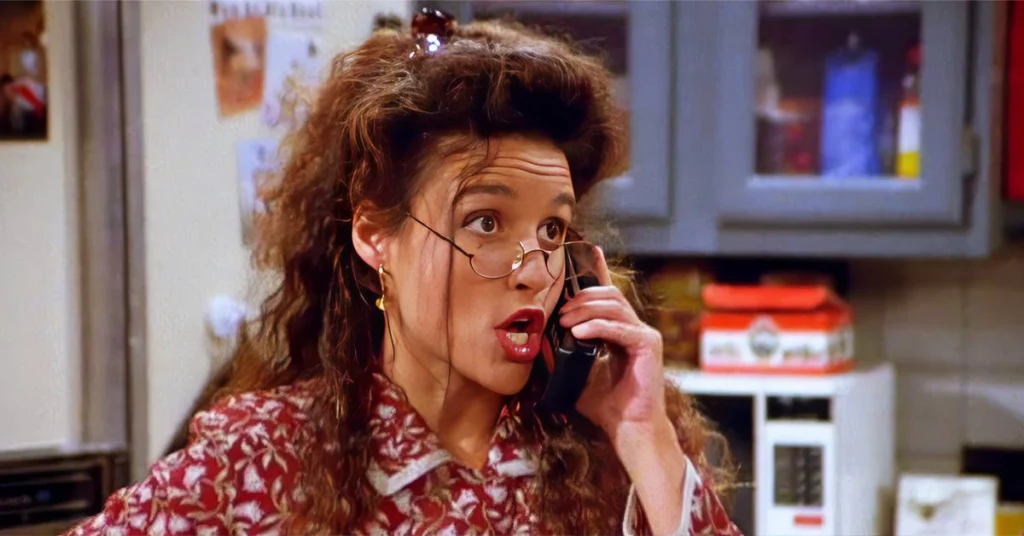
Casting director Marc Hirschfeld recalled repeatedly contacting the actress’ manager while waiting for the cancellation decision. Her representative was concerned that auditioning for another series before Day by Day officially ended could create the wrong impression.
Once NBC confirmed the cancellation, Hirschfeld arranged a meeting between Louis Dreyfus and the Seinfeld team. The meeting went well, and she connected with Jerry Seinfeld, but she still questioned whether accepting the part was the right career move.
Louis Dreyfus later acknowledged that she had reservations she did not express directly during the meeting. At the time, Seinfeld had not demonstrated the lasting popularity that would eventually define its legacy.
The sitcom’s early performance helps explain her hesitation. Following its pilot, NBC ordered only four episodes for the first season, giving David and Seinfeld a limited opportunity to prove the concept could attract viewers.
The series continued to face uncertainty beyond that initial order. Its first season struggled in the ratings, and the second season received only a half-season order. Even after NBC renewed it for a full third season, David worried about finding enough strong material to maintain the show’s quality.
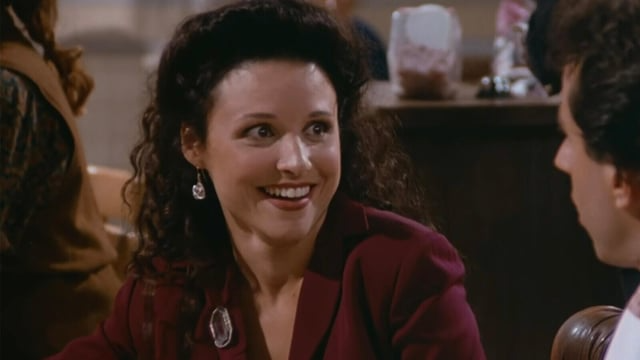
For Louis Dreyfus, however, the scripts ultimately provided a reason to take the risk. She was impressed enough by the four initial episodes to accept the role that would become a defining part of her career.
Elaine’s addition helped establish the four-person ensemble audiences came to associate with Seinfeld. In the 2004 documentary Seinfeld: How It Began, Jerry Seinfeld recalled feeling that the team became balanced once Louis-Dreyfus joined.
Her casting illustrates how a role that later appears inseparable from a successful television series can initially seem uncertain to the performer offered it. In this case, David’s early confidence in Louis Dreyfus preceded the show’s eventual success.
Harris’ Emperor of Nothing is scheduled for publication on Oct. 20, 2026. Its account of the casting process offers additional insight into the decisions behind Elaine Benes, a character who was absent from the original pilot but became central to the sitcom’s identity.


