

KEY POINT
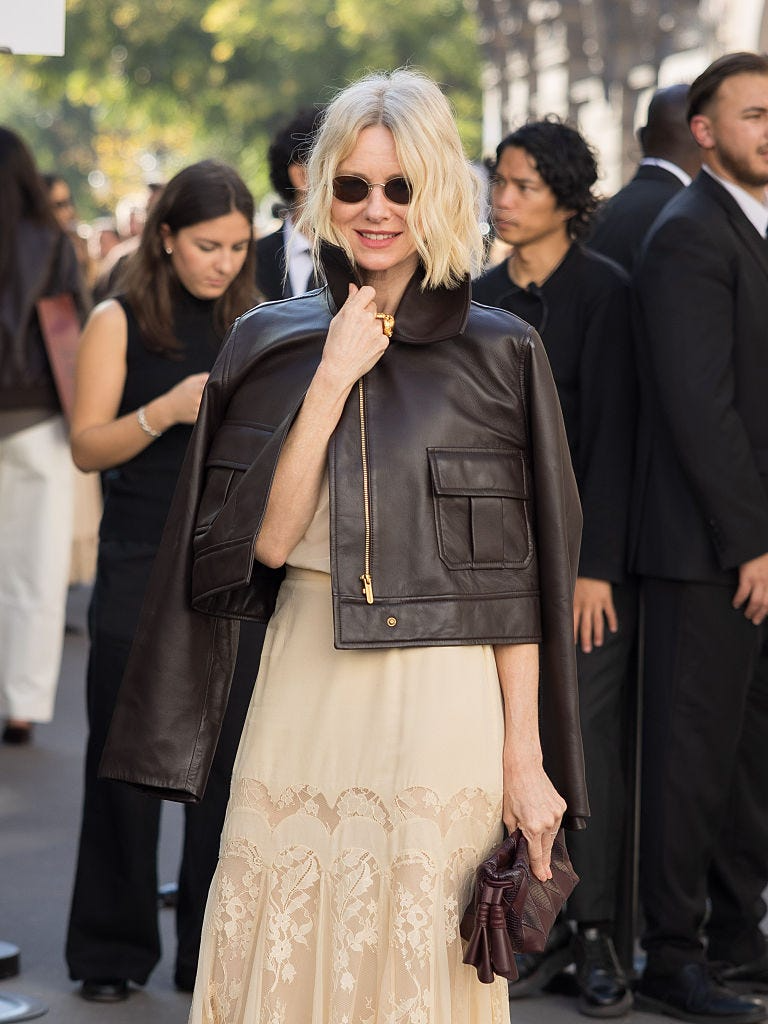
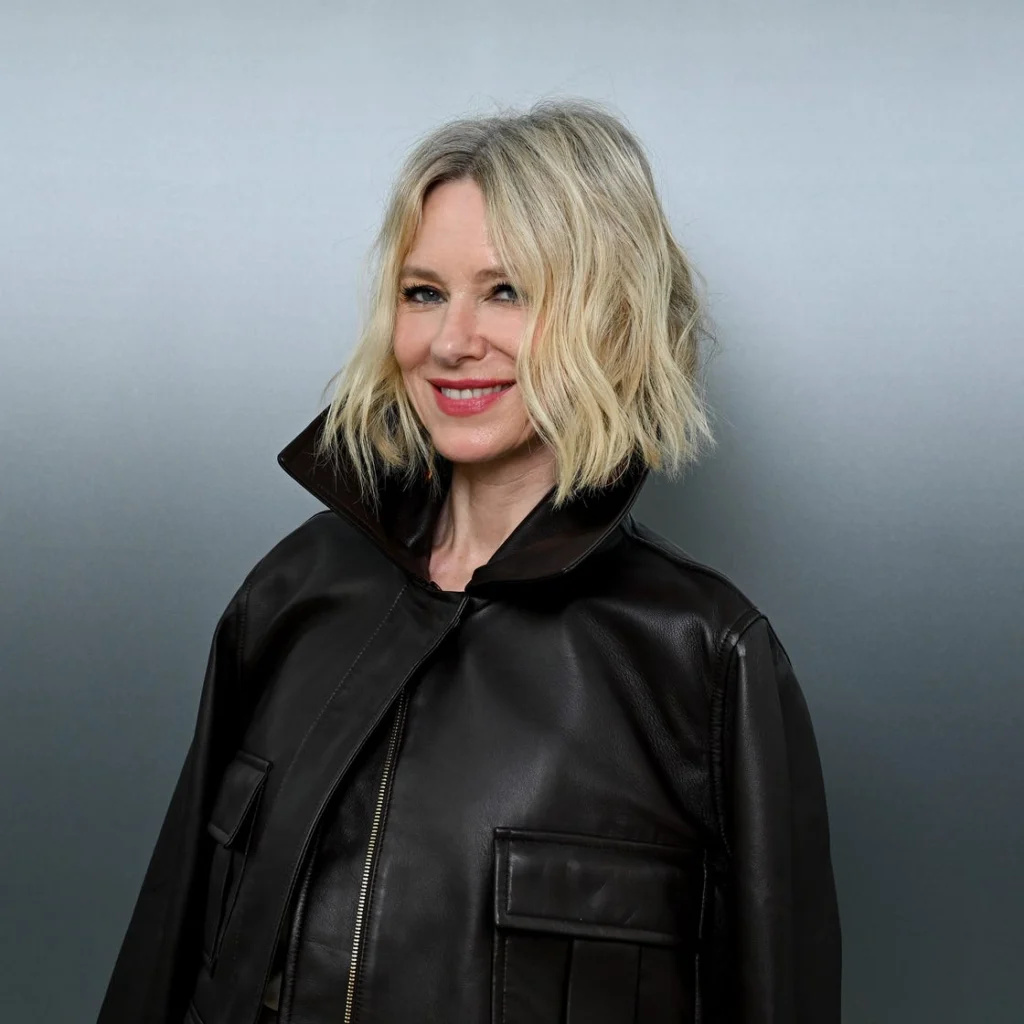
- The waterfall bob features blended layers and relaxed, S-shaped waves that create movement without sacrificing fullness.
- The cut can be adapted for straight, wavy and thick hair, while fine hair benefits from fewer layers and a fuller base.
- Stylist Laura Elliott recommends regular trims every six to eight weeks to maintain healthy looking ends and the haircut’s shape.
YeWhat Makes the Waterfall Bob Different?
Unlike a traditional blunt bob, which typically features a uniform length and sharply defined ends, the waterfall bob relies on seamlessly blended layers. These create movement throughout the hair while preserving a soft, flowing silhouette.
According to Laura Elliott, head stylist and educator at Neäl & Wølf, the style combines relaxed waves with a more refined finish suited to cooler weather. Shorter pieces around the face can enhance the shape, but excessive layering may leave the ends looking thin.
Length is flexible, too. Depending on personal preference, the cut can sit around the jawline or extend toward the collarbones, making it adaptable to different looks.
Why Is It Trending for Autumn 2026?
The transition from summer to autumn often inspires people to refresh their hairstyles. After months of heat exposure, trimming dry or damaged ends can also help hair appear healthier and fuller.
The waterfall bob offers a change without requiring a rigid, sharply defined shape. Its blended layers are designed to grow out naturally, although Elliott recommends scheduling a haircut every six to eight weeks to maintain the ends.
The style also complements autumn’s richer brunette shades. Chocolate brown and espresso tones can benefit from the hair’s movement, with added shine enhancing their depth and dimension.

1. Soft, Natural Waves
For naturally wavy hair, a simple styling routine can preserve the cut’s relaxed texture. Apply a small amount of curl cream to damp hair and allow it to air-dry. A diffuser can also help encourage the waves without creating an overly structured finish.
2. Polished, Face Framing Layers
Shorter pieces around the face can give the bob additional movement while maintaining its overall softness. Ask a stylist for blended layers rather than sharply separated sections to achieve a flowing shape.
3. Voluminous Waves for Straight Hair
Straight hair can achieve a similar effect with a medium sized round brush during blow-drying. Lift the roots and gently turn the ends away from the face, then use a large-barrel curling wand to create loose waves through the mid-lengths. Brushing them with a wide-toothed comb helps soften the final look.
4. Glossy Brunette Finish
For those with brunette hair, a shine-enhancing finish can highlight the cut’s layers. Chocolate and espresso shades are particularly suited to this approach, as reflected light helps emphasize their richness without requiring elaborate styling.

Which Hair Type Suits the Cut Best?
Naturally wavy hair works well with the waterfall bob because its existing texture supports the style’s flowing shape. Thick hair can benefit from internal layering that removes excess weight while preserving movement.
Fine hair requires a more measured approach. Elliott recommends keeping layers minimal and maintaining a fuller base to avoid making the hair appear thinner.
The key to the waterfall bob is balance: enough layering to create movement, but sufficient weight at the ends to maintain a healthy, full appearance.
Regular trims every six to eight weeks can help preserve the haircut’s shape and keep the ends looking healthy. Styling should enhance the hair’s natural texture rather than make the finish appear excessively arranged.
With adjustable lengths, adaptable layering and several styling options, the waterfall bob offers a practical way to update a hairstyle for autumn 2026 without committing to one fixed look.


