
KEY POINT
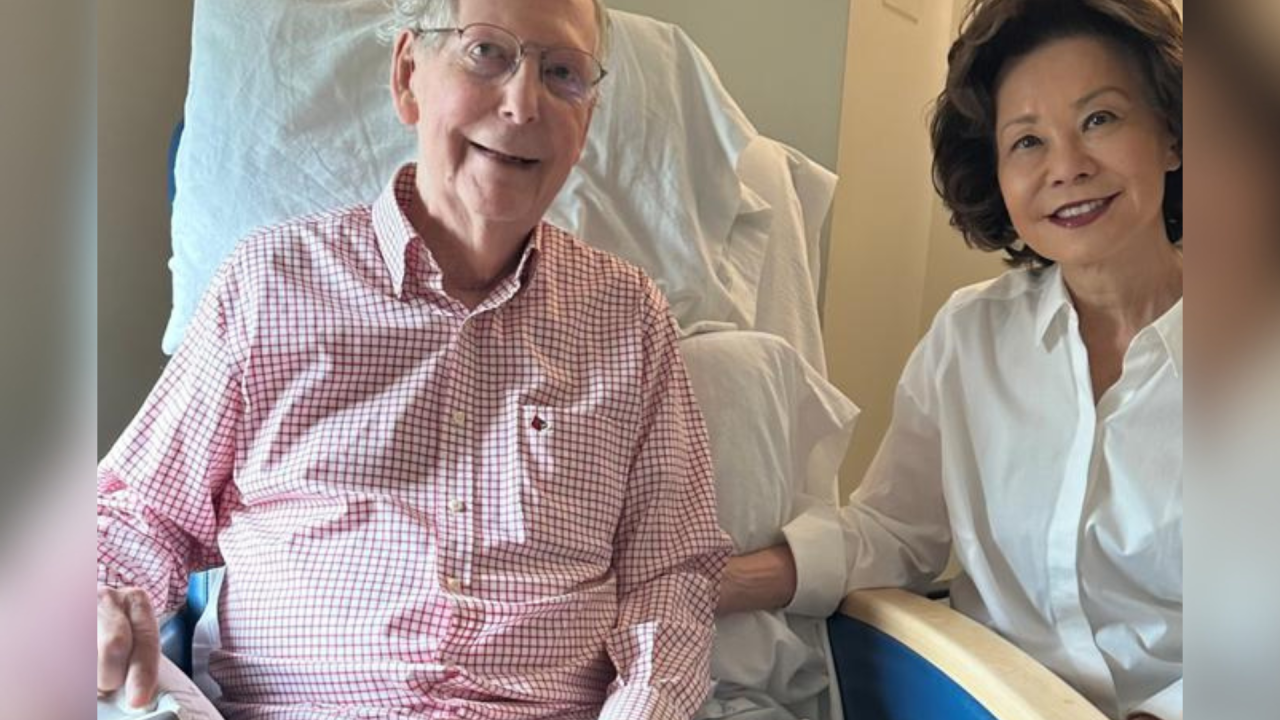
- McConnell has been away from the Capitol for about three months following a June hospitalization after a fall at his Washington home.
- His office has not confirmed whether he will return when the Senate reconvenes Monday.
- A Kentucky congressman said McConnell’s staff hopes he will be back, but his spokesperson said there are no scheduling announcements.
The Senate is scheduled to return Monday after its five-week recess, but one of its longest-serving members may not immediately be back in the chamber. Republican Sen. Mitch McConnell has not confirmed whether he will resume his Capitol duties as he continues recovering from health problems that began with a June hospitalization.
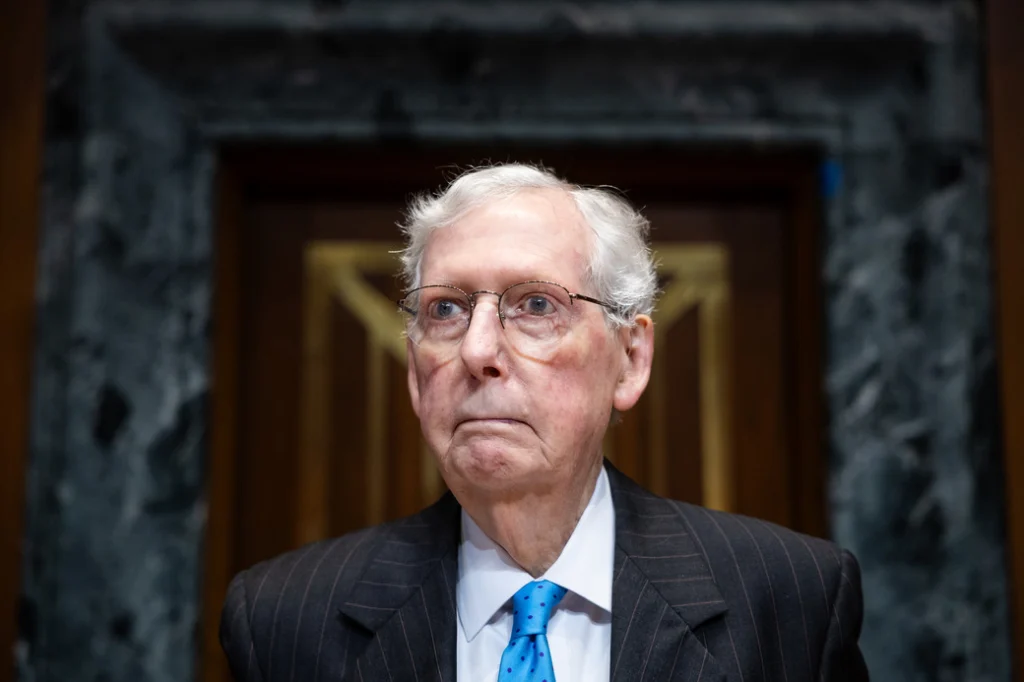
McConnell’s office has declined to provide a specific return date despite repeated questions about his plans. His spokesperson, Stephanie Penn, said there were “no scheduling announcements at this time,” leaving his attendance for the Senate’s return unresolved.
The uncertainty grew after House Oversight Chair James Comer of Kentucky said McConnell’s staff had expressed hope that the senator would return when lawmakers came back into session. Comer emphasized that he had not spoken directly with McConnell, but said he regularly communicates with members of the senator’s staff.
“I expect that. I sure hope so,” Comer said when asked whether he expected McConnell to be back. His comments offered a possible indication of McConnell’s plans but did not amount to an official confirmation from the senator or his office.
McConnell’s Health Timeline
McConnell was taken by ambulance from his Capitol Hill home on June 14 and hospitalized. His office did not initially disclose what had prompted the medical emergency, leading to questions about his condition during the weeks that followed.
In July, McConnell explained that he had fallen, briefly lost consciousness and was taken to the hospital. He also revealed that he had developed a mild case of pneumonia while receiving medical care.
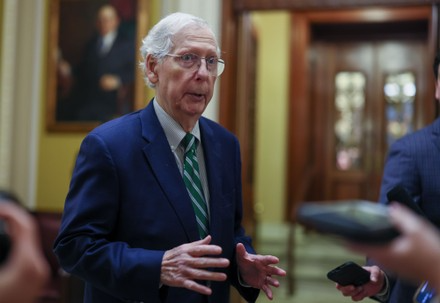
McConnell said doctors had determined that he had not suffered a broken bone, concussion, heart attack or stroke. He also addressed the delayed disclosure, acknowledging that people of his generation can be reluctant to discuss the vulnerabilities associated with aging, particularly while in public life.
After leaving the hospital, McConnell continued his recovery at a rehabilitation center. He was discharged in early August and said he would continue an intensive physical therapy program from home while remaining engaged with his staff and Senate colleagues.
McConnell’s prolonged absence has raised broader questions about how elected officials should balance medical privacy with their responsibility to represent constituents. The issue is particularly significant for Kentucky because each state has two senators, meaning an extended absence can affect the state’s representation in Washington.
Dylan Hedtler-Gaudette, director of advocacy at the Project on Government Oversight, said public officials should retain a degree of privacy concerning their health. At the same time, he argued that elected office carries an expectation that lawmakers will appear and carry out their responsibilities.
The Senate does not have an enforcement mechanism requiring lawmakers to maintain a specific attendance level. Members therefore have discretion over how they manage extended absences while dealing with personal or medical circumstances.
McConnell’s health has received heightened attention because it follows several other incidents in recent years. The Kentucky Republican survived polio as a child and has experienced multiple falls, including a highly publicized episode in 2023 when he froze during a news conference on Capitol Hill.
McConnell has also announced that he will retire at the end of his current term. In explaining that decision, he acknowledged the demands of Senate work while saying he still intended to complete unfinished business before leaving office.
The senator’s absence has also prompted discussion among his Republican colleagues about how much information should be made public. Senate Majority Leader John Thune said in July that he had recently spoken with McConnell and urged his team to provide enough information to discourage speculation.
Sen. John Cornyn of Texas went further, saying in July that greater transparency earlier would have helped answer questions surrounding McConnell’s absence and potentially reduced speculation about his condition.
Other Lawmakers Have Faced Extended Absences
McConnell is not the only member of Congress to spend an extended period away from Washington for health reasons. Republican Rep. Tom Kean of New Jersey said in June that severe depression had required a lengthy hospitalization, keeping him away from Capitol Hill for more than 100 days.
Republican leadership has generally left such decisions to the lawmakers involved and their teams while encouraging them to communicate with the public. That approach reflects the competing considerations of personal medical privacy and the responsibilities attached to elected office.
For now, McConnell’s return remains officially unconfirmed. Comer’s comments suggest his staff hopes he can be present when the Senate resumes, but McConnell’s spokesperson has not announced a schedule.
McConnell has previously said he intends to continue working while recovering at home. Whether that recovery will allow him to physically return to the Capitol when the Senate reconvenes has not bWhy has Mitch McConnell been absent from the Senate?een established.
The immediate question is whether McConnell will appear at the Capitol when the Senate returns Monday. Until his office issues a scheduling announcement, there is no confirmed date for his return to the chamber.
Why has Mitch McConnell been absent from the Senate?
McConnell has been away from the Capitol following a June hospitalization after a fall at his Washington home. He later underwent rehabilitation and continued his recovery with physical therapy at home.
Has Mitch McConnell confirmed when he will return?
No. His spokesperson has said there are no scheduling announcements at this time.
What did McConnell say about his June fall?
McConnell said he briefly lost consciousness after the fall and was hospitalized. He later said doctors found no broken bones, concussion, heart attack or stroke, while also noting that he experienced mild pneumonia during his recovery.


