
KEY POINT
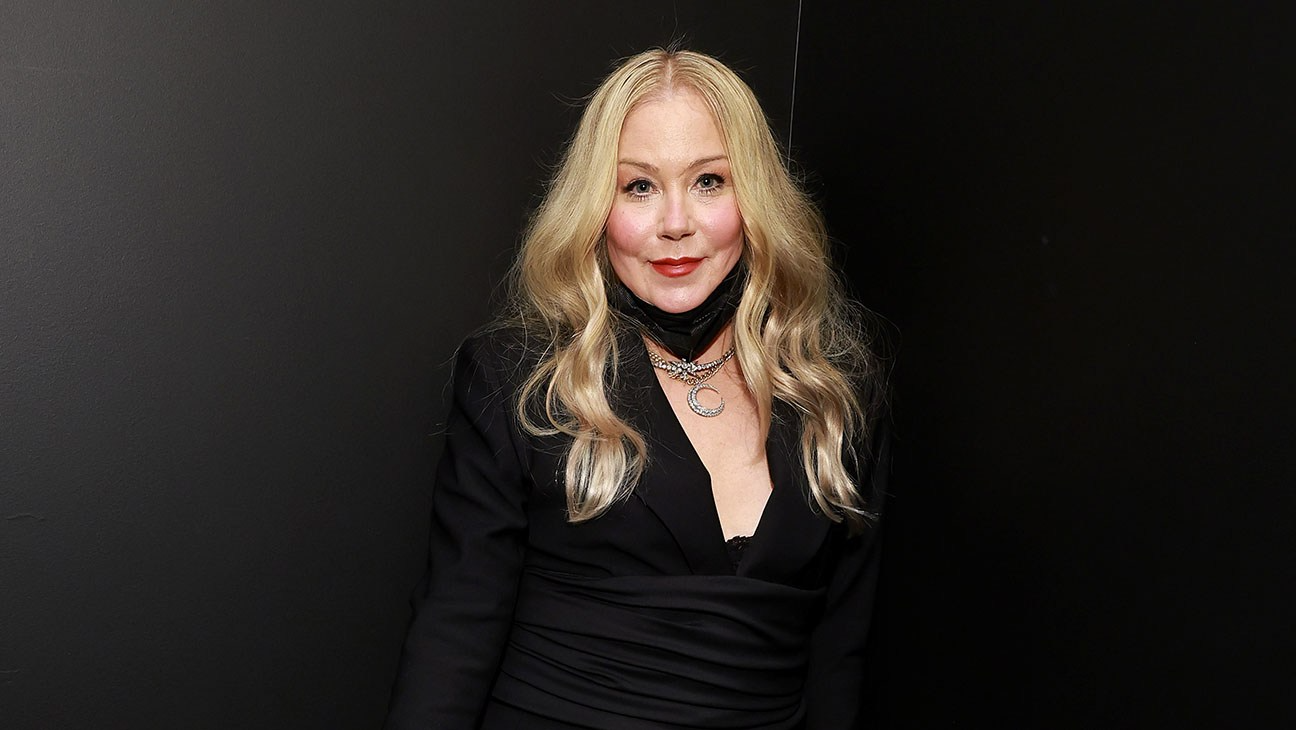
- Applegate, 54, learned during a recent medical appointment that she does not have multiple sclerosis, despite receiving the diagnosis in 2021.
- The Dead to Me actress says her symptoms have not improved and that her condition has worsened in some respects.
- Neurologist Dr. Marwa Kaisey explained on Applegate’s MeSsy podcast that MS misdiagnoses are relatively common because the disease has no single definitive diagnostic test.
Applegate shared the unexpected news during her return to MeSsy, the podcast she co-hosts with fellow actress Jamie-Lynn Sigler. In an episode titled “Christina is Back (Part 1),” released Tuesday, Oct. 20, she described the emotional impact of learning that her previous diagnosis was incorrect.
Recalling the doctor’s words, Applegate said the physician entered her room and told her, “Congratulations, you don’t have MS.”
Rather than feeling relieved, the actress struggled to process the announcement. She explained that people around her welcomed the news, but she could not celebrate because the physical difficulties that had disrupted her life remained unchanged.
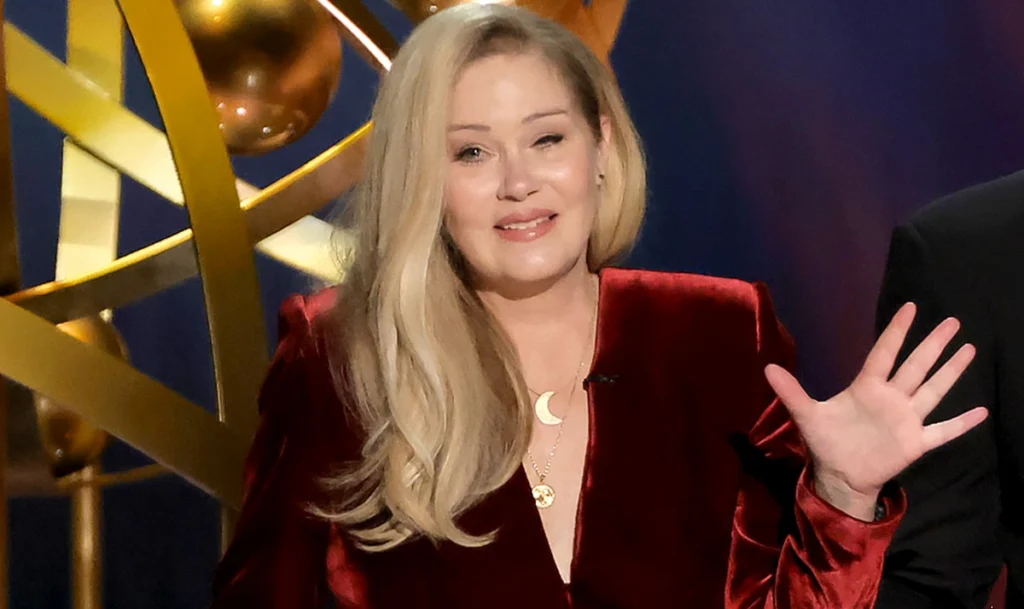
Applegate said she was effectively back at the beginning of a medical investigation, without a clear explanation for what she had experienced since 2021. She added that her doctors would need to investigate the underlying cause of her ongoing symptoms.
The revelation does not mean the actress has recovered. She said she still struggles with mobility and needs a wheelchair when visiting her doctor’s office because she cannot walk from her car to the examination room.
Dr. Marwa Kaisey, an associate professor in the neurology department at Cedars Sinai Medical Center, discussed the diagnostic challenges during a subsequent MeSsy episode.
Kaisey explained that diagnosing multiple sclerosis requires clinicians to assess a set of criteria rather than rely on one conclusive test. She described incorrect diagnoses as fairly common and said nearly 20% of people diagnosed with MS may turn out not to have the disease.
According to Kaisey, some patients who were incorrectly diagnosed had lived with that understanding for decades, with many receiving medication intended to treat MS.
The distinction matters because symptoms associated with neurological disorders can require further investigation when the original diagnosis is questioned. In Applegate’s case, identifying the actual cause of her difficulties remains an unresolved medical issue.
Applegate first publicly disclosed her MS diagnosis in 2021. Known for Married… With Children and Dead to Me, she has since spoken openly about the physical and emotional challenges that have affected her life and career.
On MeSsy, she also described feeling disconnected from a community she had helped support. Sharing her experiences alongside Sigler, who lives with MS, had given her a framework for understanding her struggles.
Now, the changed diagnosis has complicated that sense of belonging. Applegate said she had understood her daily difficulties through the explanation provided by her original diagnosis, making the uncertainty particularly unsettling.
In the podcast’s second episode, she discussed experiencing deep depression and losing her job. She emphasized that the revised diagnosis had not suddenly restored her previous abilities or changed her daily limitations.
Multiple sclerosis is a disease of the central nervous system that disrupts communication between the brain and the rest of the body. The condition damages myelin, the protective covering surrounding nerve fibers, according to the Cleveland Clinic.
Symptoms can include muscle weakness, numbness, vision changes, memory difficulties and gastrointestinal problems. The disease can be unpredictable, and its effects vary between individuals.
Although there is no cure, the National Multiple Sclerosis Society says US Food and Drug Administration-approved treatments can modify the course of the disease.
For Applegate, however, the immediate challenge is different: understanding what has caused years of debilitating symptoms after doctors reconsidered her original diagnosis.


