
KEY POINT
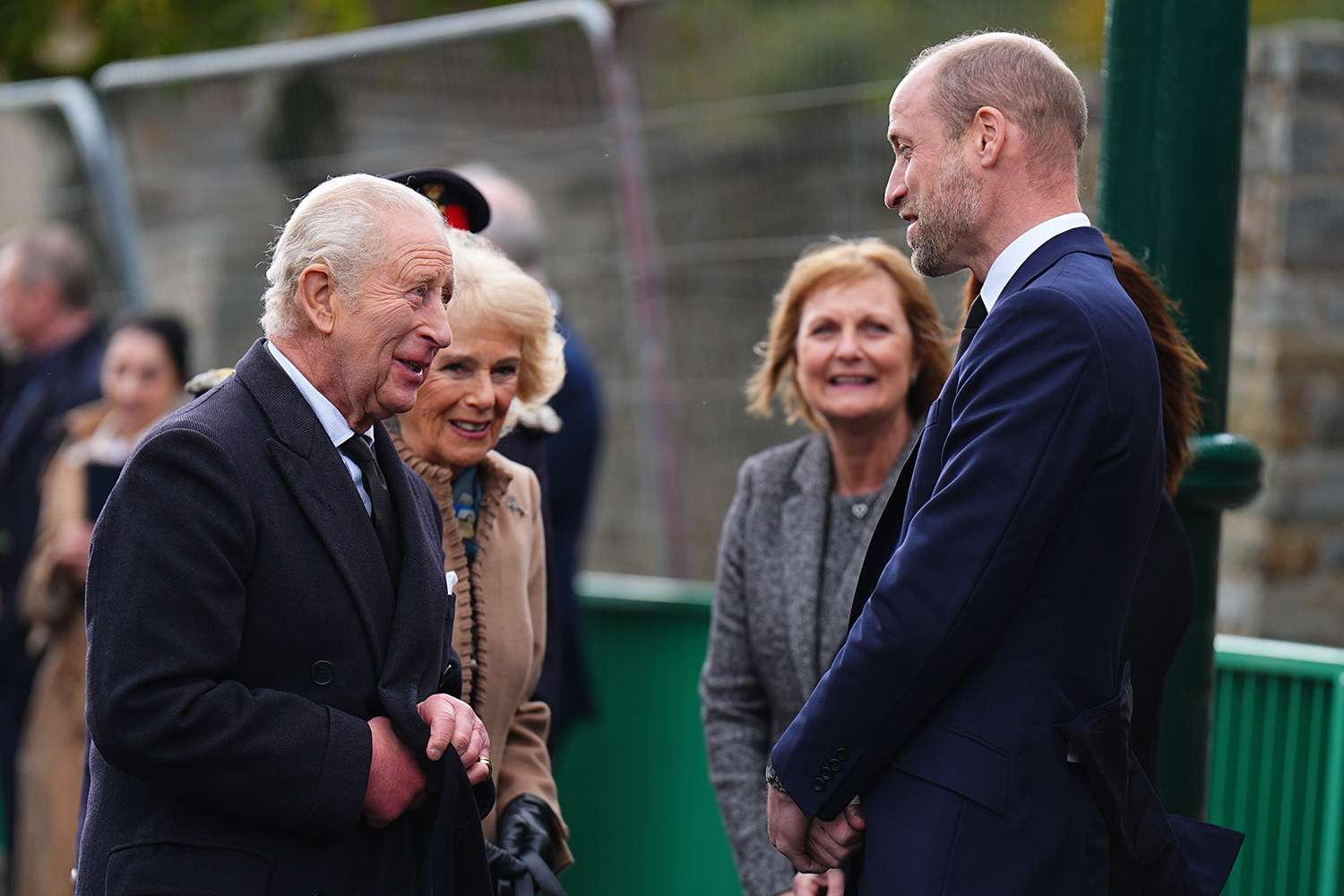
- The royal trio visited Aberfan to honor the 144 people killed in the 1966 disaster, including 116 children and 28 adults.
- William arrived separately from Charles and Camilla, reflecting a longstanding precaution intended to protect the royal succession.
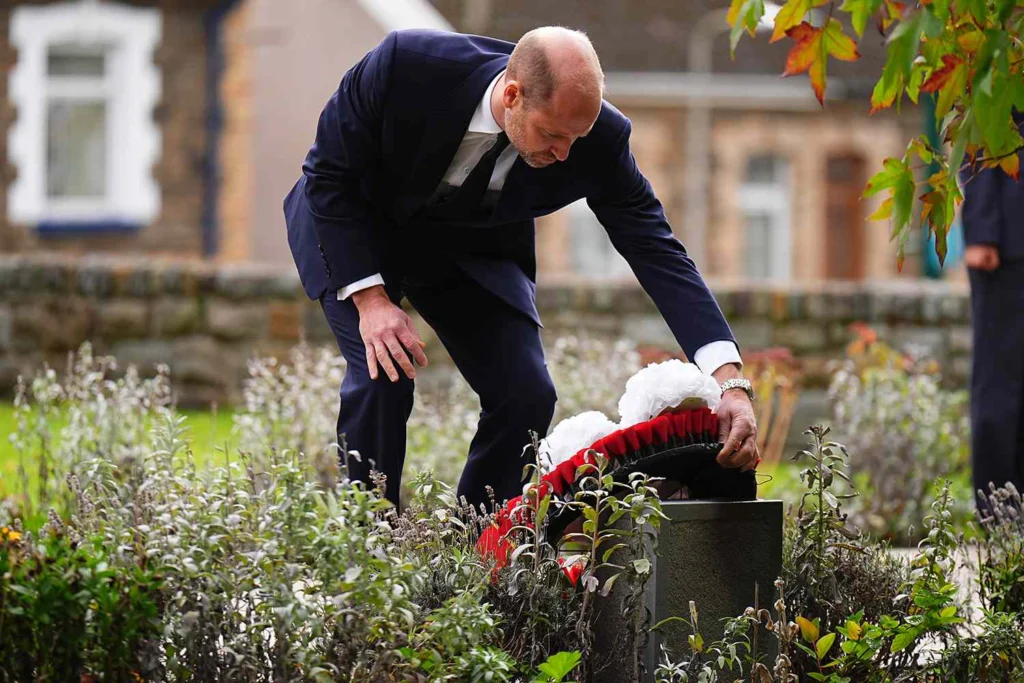
- The family paid tribute at the Aberfan Memorial Garden, where William laid a wreath signed by him and Kate Middleton.
The visit brought three senior members of the royal family together to remember one of the darkest events in Welsh history. Their appearance combined a public act of remembrance with a longstanding royal precaution governing travel arrangements for the monarch and the direct heir.
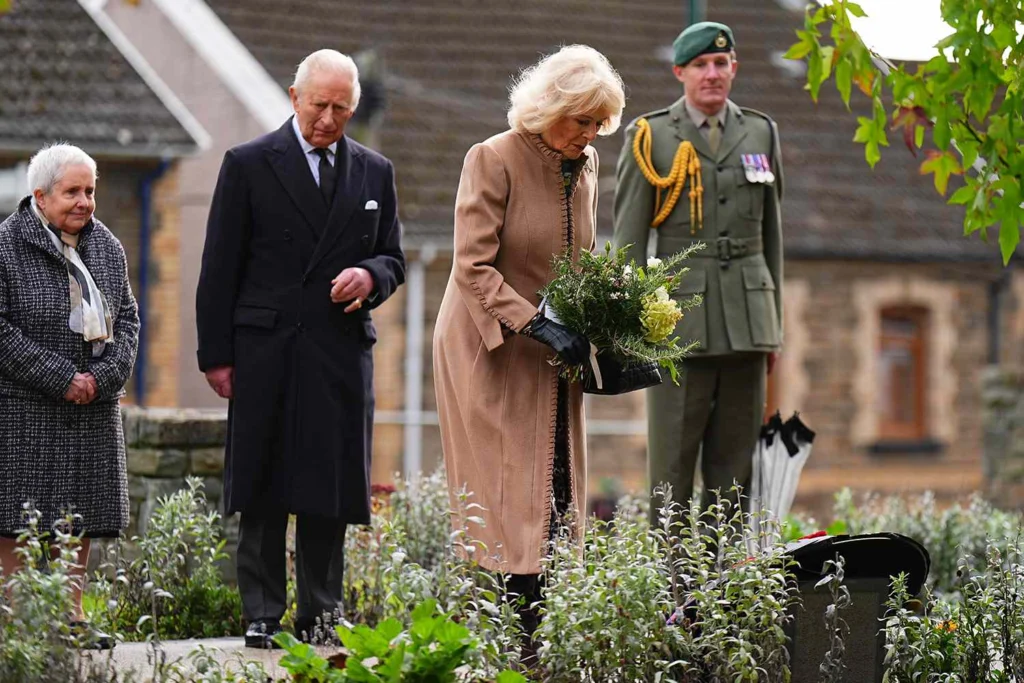
According to the account published by PEOPLE, the royals began their visit at the Aberfan Memorial Garden, built on the site of the former Pantglas School. They took part in a short service of prayers and reflection before laying floral tributes to honor those who died.
King Charles, 77, laid a wreath, while Queen Camilla, 79, placed a bouquet. Prince William, 44, left a wreath bearing a message signed by him and his wife, Kate Middleton: “In our memory and in our hearts forever.”
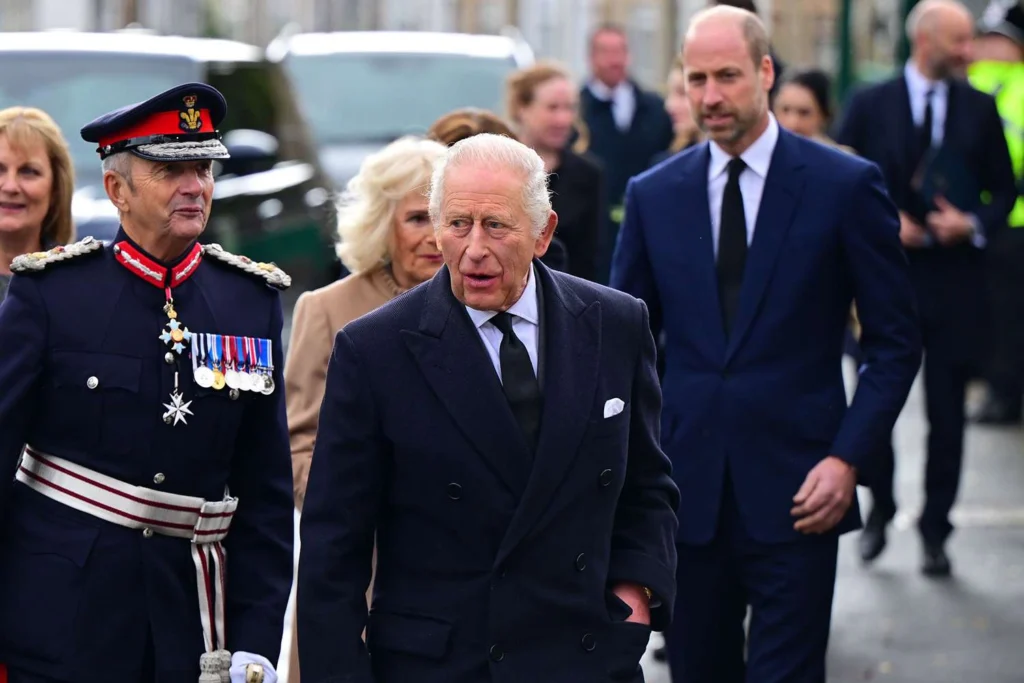
Following the memorial service, the royal party walked to the Aberfan & Merthyr Vale Community Centre, where they met survivors and other members of the local community.
Although the three royals attended the same engagement, William traveled separately from his father and stepmother. He also arrived first and remained in the area to speak with local residents after Charles and Camilla had departed.
The disaster occurred on Oct. 21, 1966, when a coal waste tip associated with the nearby Merthyr Vale Colliery collapsed and sent approximately 150,000 tons of mud and slurry downhill.
The material engulfed Pantglas School, 20 houses and a farm. Of the 144 people who died, 116 were children, many between the ages of 7 and 10. The tragedy devastated families and left a lasting mark on the community.
The memorial garden now provides a place for survivors and bereaved families to remember those who lost their lives.
The separate journeys reflect a longstanding royal convention intended to reduce risks to the line of succession. Keeping the monarch and the direct heir on different aircraft can help prevent a single accident from affecting both.
In 2023, Graham Laurie, a former royal pilot, discussed the practice on A Right Royal Podcast. He recalled that Charles, Princess Diana, William and Prince Harry had traveled together when the children were younger.
Laurie explained that once William turned 12, he needed to travel on a separate aircraft. He also said the family could travel together only when the children were young and Queen Elizabeth II had given written permission.
The convention is not an absolute rule for every journey. Royal travel arrangements can vary depending on the circumstances, but the separation of the monarch and heir remains an important precaution.
The tragedy also carries a difficult historical association for the late Queen Elizabeth II. She did not visit Aberfan until eight days after the disaster, sending Prince Philip to represent the Crown in the immediate aftermath.
According to the supplied account, the Queen believed that her presence might distract from rescue operations. However, her delayed visit attracted criticism, and she later regarded her response as one of the greatest mistakes of her reign.
Elizabeth returned to Aberfan on several occasions and opened the memorial garden in 1974, helping establish a lasting place of remembrance.
William previously visited Aberfan with Kate in 2023, after they became the Prince and Princess of Wales. During that visit, residents recalled William mentioning that his grandmother had often spoken about the village.
Survivor Jeff Edwards also guided the couple around the cemetery near the former school site. Edwards told PEOPLE that Kate was particularly affected by the ages of the children who died, noting that they were close in age to George, Charlotte and Louis.
The latest visit renewed the royal family’s connection with a community whose history remains inseparable from the loss of 144 lives in 1966.


